A First-Year Survivor: The Story of the Cancelled 1870-CC Dollar Die

What would you do if you held a piece of the very first year of the Carson City Mint in your hands?
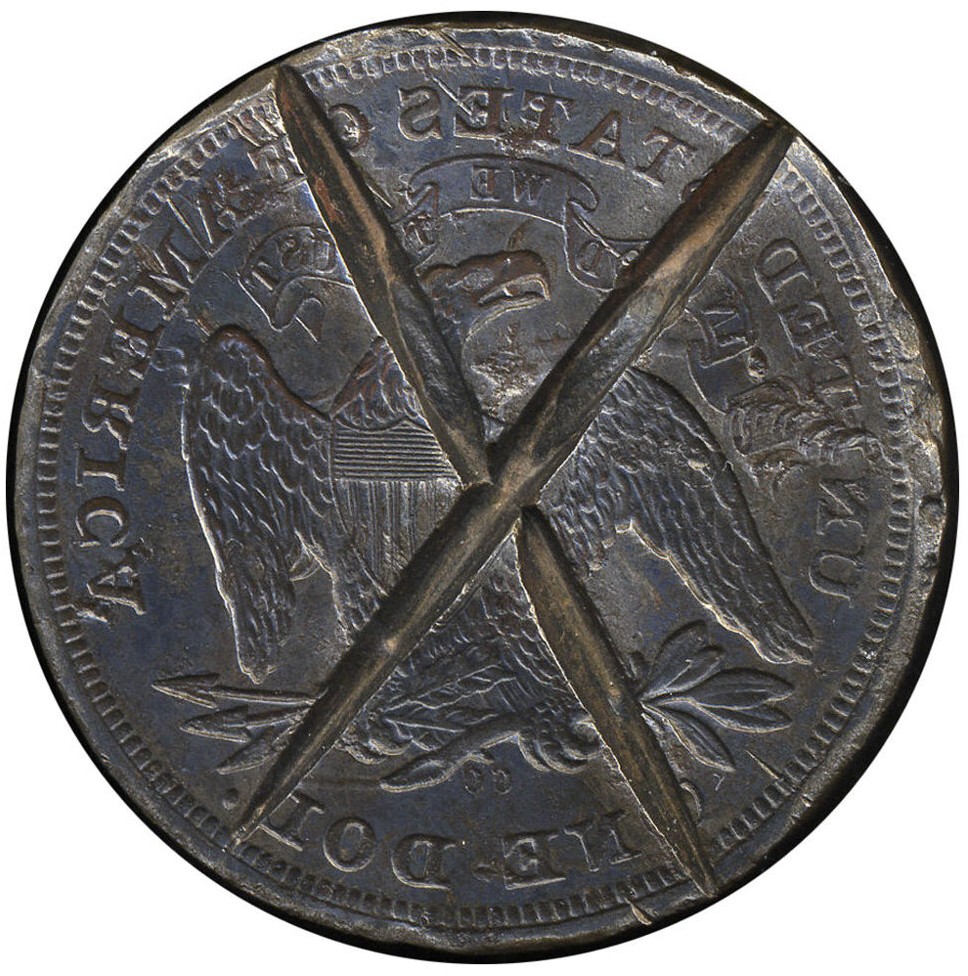
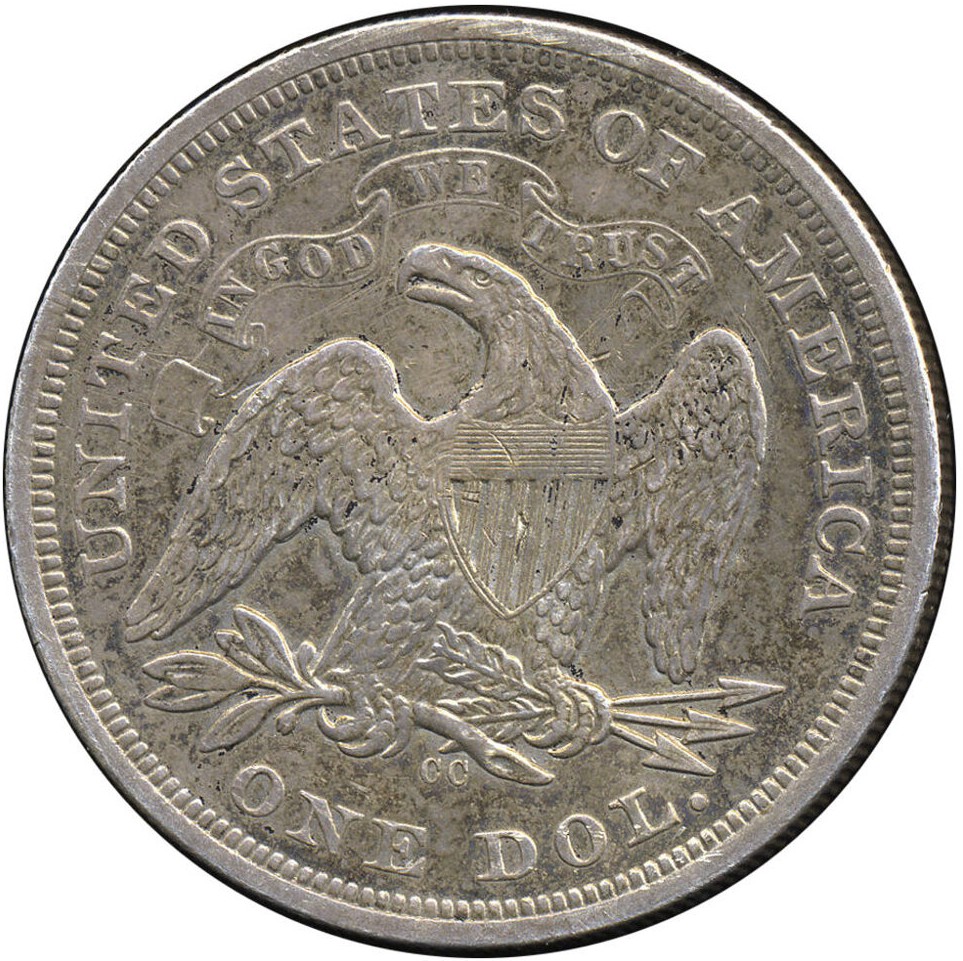
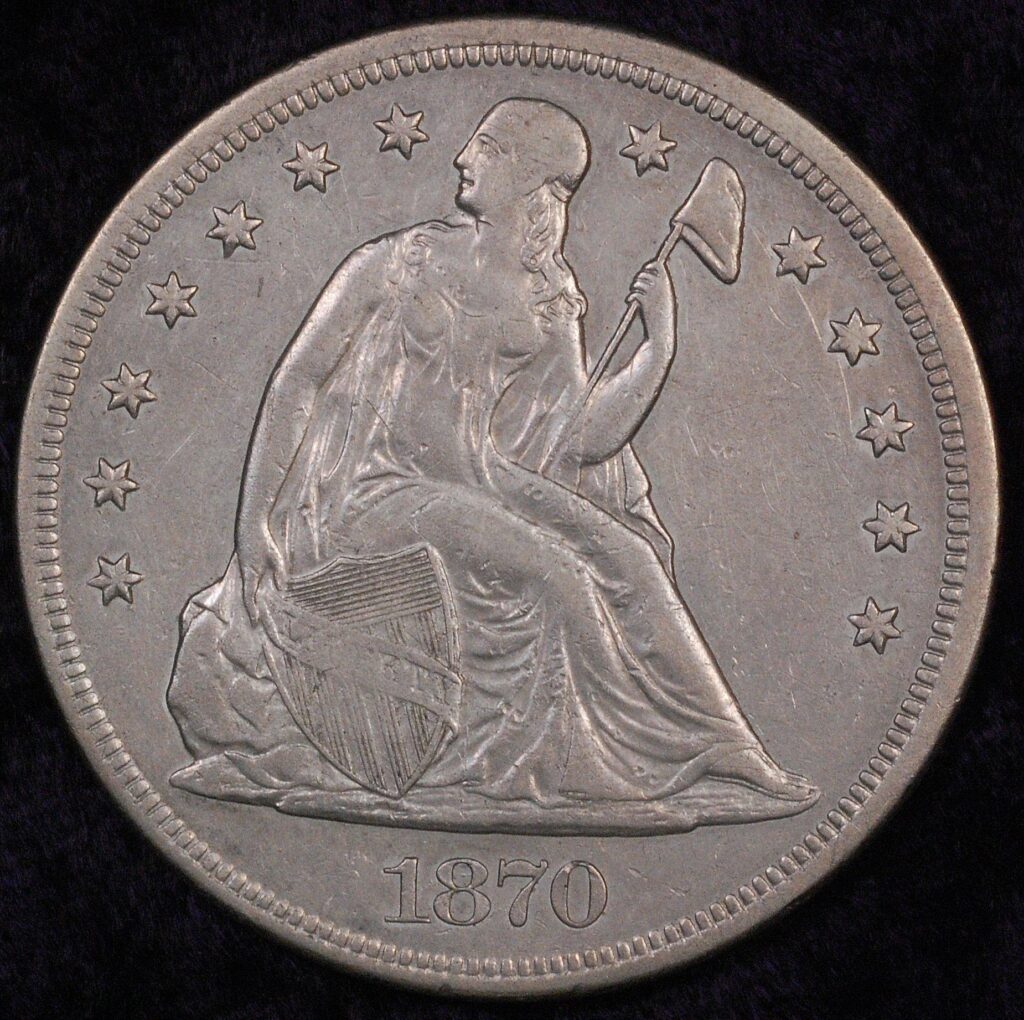
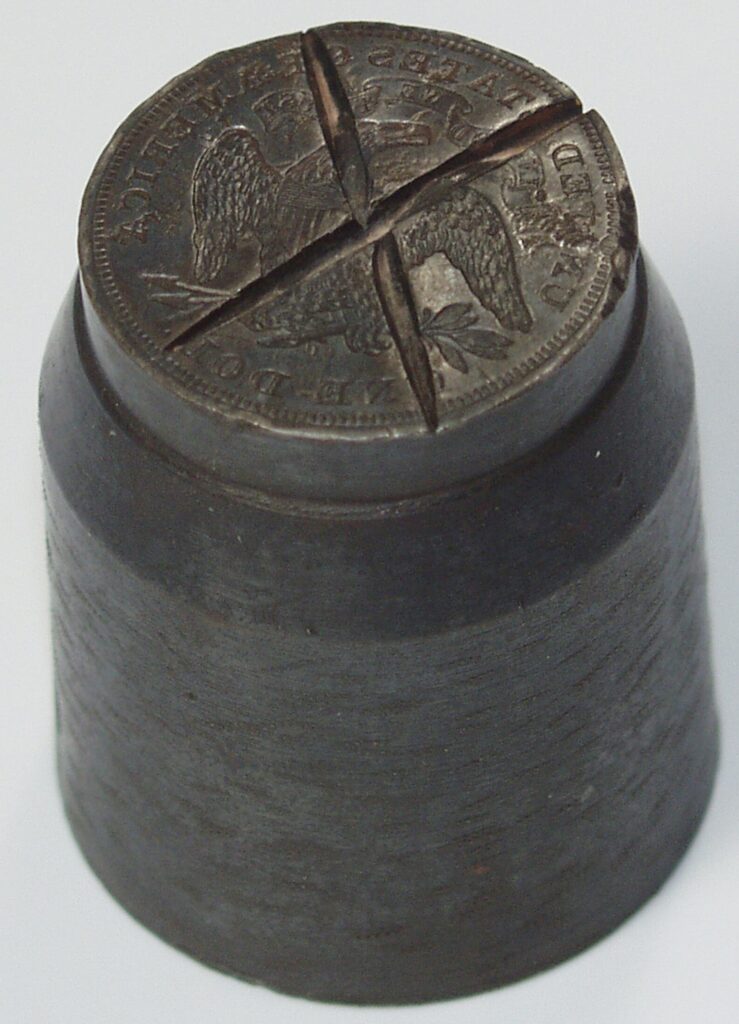
In the world of numismatics, some artifacts are so rare they feel like myths. Recently, a fascinating pair surfaced that has the “CC” collecting community buzzing: a cancelled 1870 Carson City silver dollar reverse die and an actual 1870-CC dollar struck from that very die before its retirement.
A Rare Survivor from the Comstock Era
The Carson City Mint is legendary, but the tools used to create its coins are even rarer than the coins themselves. Most dies were either destroyed after use or sent back to Philadelphia to be melted down. Finding a CC Liberty Seated dollar die in private hands is nearly unheard of, making this a true “holy grail” for Western Americana specialists.
This specific die is what experts call Reverse A. It is essentially a “one-hit wonder”—it was used in 1870 to strike the very first CC dollars but was never used again in subsequent years. Researcher John Kroon estimated that only about 5% of all known 1870-CC dollars were struck using this specific reverse, making any coin paired with it a significant find.
Behind the Scenes: How Dies Worked
Ever wonder how they actually “stamped” the coins? Think of a coin die like a high-strength steel stamp. To make one, an engraver would first carve the design into a “hub” (a raised version of the coin). That hub was then pressed into a blank steel cylinder to create the “die” (the recessed version).
At the Carson City Mint, these dies had to withstand incredible pressure—tens of tons per square inch—to force the cold silver of a planchet (the blank coin) into every tiny detail of the design. Because the Mint was so far from the main hub in Philadelphia, they had to be extremely careful with their supply. If a die cracked or wore out, production could grind to a halt until a replacement arrived by stagecoach or train!
The Mystery of the “Cancellation” X
When a die reached the end of its useful life, the Mint “cancelled” it. This was a security measure to deface the design, preventing anyone from using the discarded tool to strike illegal or counterfeit coins. As you can see in the photos, this die was defaced with a deep, rim-to-rim “X” carved into the steel.
While numismatic legends often tell stories of old dies being used as doorstops or paperweights (most famously the 1870-CC Half Dollar die found in 2003), this Silver Dollar die is a pristine example of a decommissioned tool that managed to escape the furnace.
Why the 1870-CC is So Special
- The Mint’s First Year: The Carson City Mint officially opened its doors on January 6, 1870, right in the heart of the Comstock Lode era.
- The First Coins: The very first coins to bear the “CC” mintmark were the 2,303 Liberty Seated dollars released on February 11, 1870.
- One Press to Rule Them All: In the beginning, the mint operated with only one coin press for all denominations. They would strike a small run of silver dollars, then swap out the dies to strike gold pieces, leaving the silver dies to wait on a shelf until they were needed again.
Meet “Old No. 1”
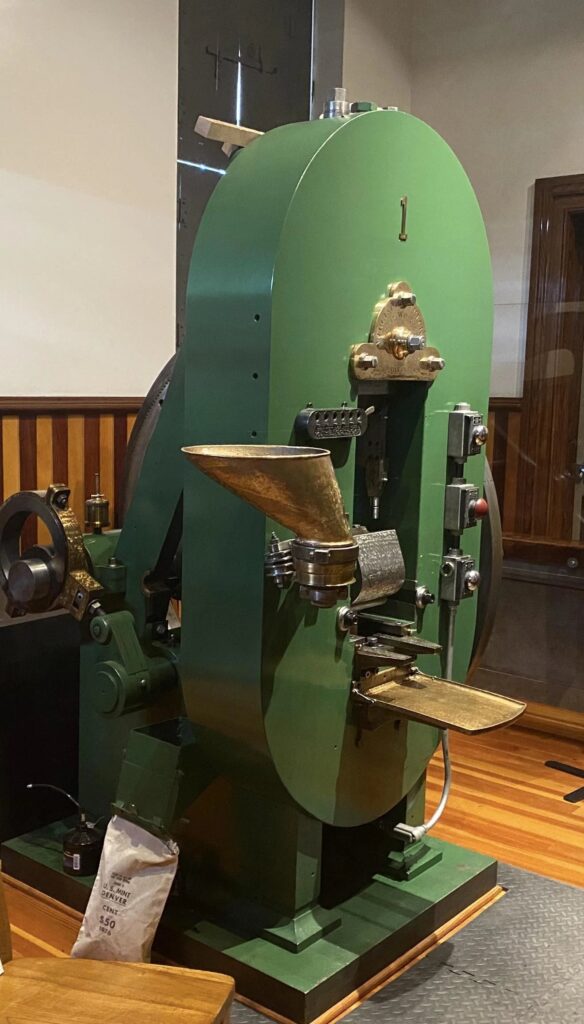
If this story gives you the itch to see where it all began, you have to visit the original Carson City Mint building, which still stands today as the Nevada State Museum.
Inside, you’ll find Coin Press No. 1. Built in Philadelphia in 1869, this massive six-ton press was the workhorse that struck those first 1870 dollars. It’s famous for its durability; after the mint closed, it was sent back to Philadelphia, then to San Francisco, and even to Denver during a coin shortage in the 1960s, where it struck over 118 million coins! Today, it’s back in its original home, and on special event days, they still strike silver commemorative medallions for the public.
Collector’s Takeaway
Whether you’re an advanced specialist or just starting your journey at JoCo Coin Shop, pieces like this remind us that coins aren’t just currency—they are historical witnesses. This die wasn’t just a tool; it was there at the very birth of the most famous mint in American history.
Sources & Further Reading
- Heritage Auctions: 1870-CC $1 Dollar Cancelled Reverse Die and 1870-CC Dollar (Lot #5976)
- Nevada State Museum: The Historic Carson City Mint & Coin Press No. 1
- Q. David Bowers: Silver Dollars and Trade Dollars of the United States: A Complete Encyclopedia
- The Gobrecht Journal: Research on die varieties by John Kroon and Bert Schlosser.
Are you hunting for your own piece of Carson City history? Check out our latest arrivals at JoCo Coin Shop or stop by to talk shop!