U.S. Trade Dollars: The Silver Dollar Made for China (and Why So Many Are Fake)
The U.S. Trade dollar (1873 to 1885) was made for trade with China. Learn its history, what chopmarks are, and why most Trade dollars you see online are fake.
The Trade dollar is one of the most interesting U.S. coins, made not for Americans but for merchants trading in China. It’s also one of the most counterfeited U.S. coins today, which makes it worth understanding before you buy or sell one.
Why the U.S. Made a “Trade” Dollar
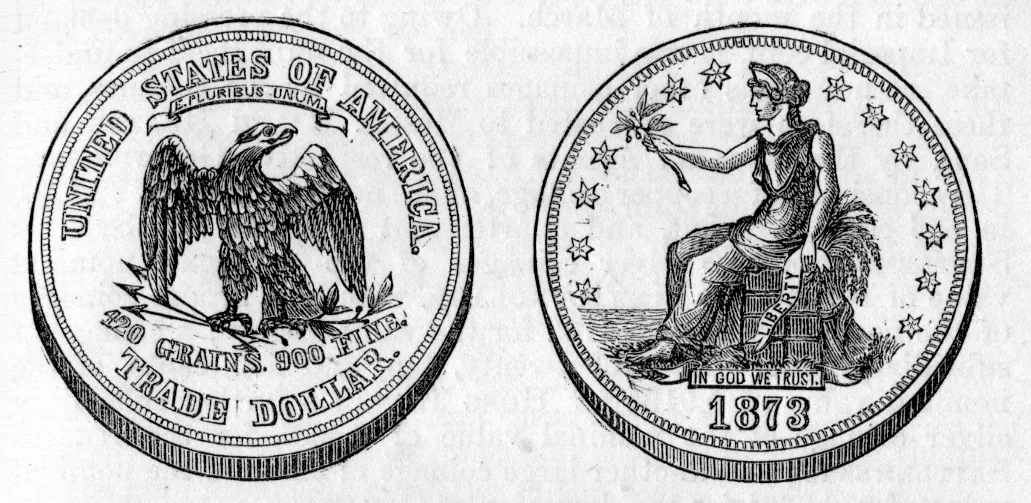
In the 1800s, merchants in China preferred large silver coins, and the Mexican silver peso was the favorite. To compete, the U.S. created the Trade dollar in 1873. It was slightly heavier than the regular silver dollar, with 27.22 grams of 90% silver, to appeal to Asian traders.
- Designed by William Barber
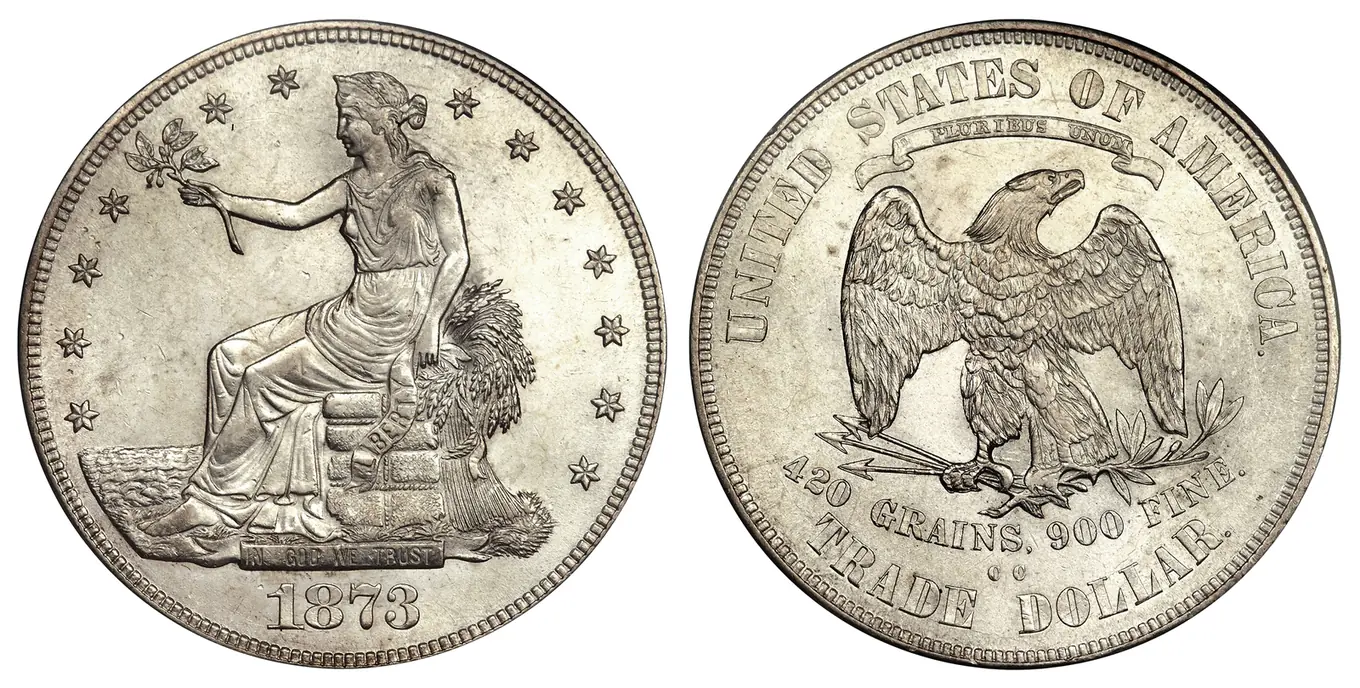
- Front: Liberty seated on bales of goods, facing the sea
- Back: an eagle with the words TRADE DOLLAR and 420 GRAINS, 900 FINE
- Struck at Philadelphia, San Francisco (S), and Carson City (CC)
Chopmarks
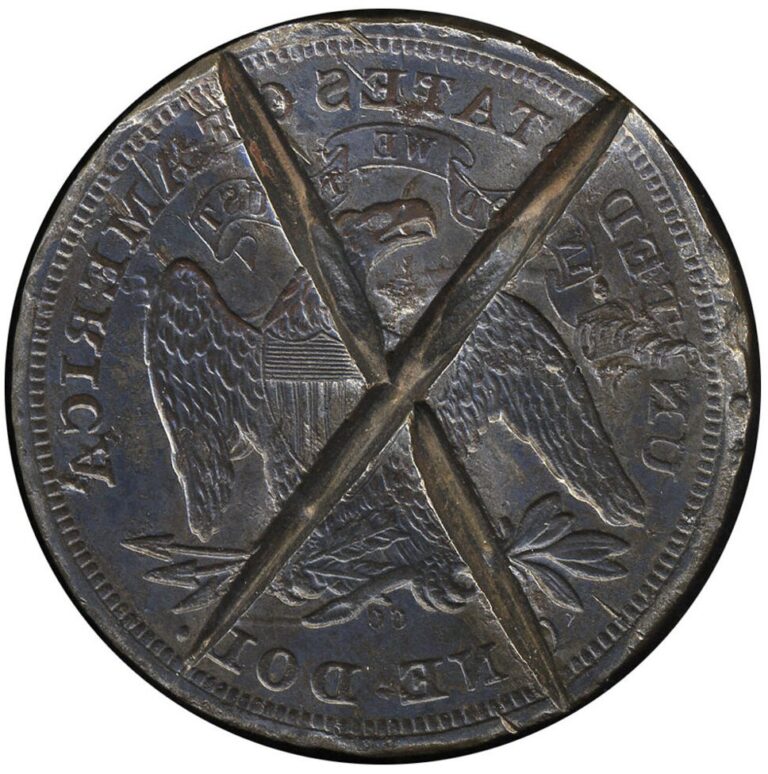
Chinese merchants often stamped small marks, called chopmarks, into coins to show they had tested the silver. Trade dollars with chopmarks are collected as a specialty, and genuine chopmarked coins tell a great story.
What Went Wrong at Home
Some Trade dollars ended up circulating in the U.S. In 1876, Congress removed their legal tender status, and regular production for circulation ended in 1878. After that, only proof coins were made for collectors through 1883. The 1884 and 1885 Trade dollars were made secretly in tiny numbers (10 and 5) and are among the greatest U.S. rarities.
Why So Many Trade Dollars Are Fake
Trade dollars are one of the most counterfeited U.S. coins. Fakes are made overseas in huge numbers and sold online, at flea markets, and as “souvenirs.” Many are made of base metal with a silver coating.
Warning signs:
- Dates or mint marks that don’t exist (Trade dollars were only made in certain years at certain mints)
- Weight that isn’t 27.2 grams
- Attracted to a magnet
- Soft, mushy details or an odd, grainy surface
- Low prices or a seller with several “rare” Trade dollars
See fake silver and gold coins: 7 warning signs.
What Genuine Trade Dollars Are Worth
Genuine Trade dollars are worth well above their silver value, even in worn condition, and more for nicer coins and Carson City examples. Chopmarked coins are valued by collectors of that specialty. Counterfeits have no collector value.
More guides: Morgan vs. Peace dollars, Seated Liberty coins, Carson City Morgan dollars.
The Bottom Line
The Trade dollar was made for commerce in China and has a fascinating history. Genuine examples are valuable, but fakes are everywhere. Check the weight, magnetism, and whether the date and mint mark actually exist. I don’t buy counterfeits, but I’m glad to tell you honestly whether a Trade dollar is genuine.
Have a Trade dollar? JoCo Coin Shop offers honest, no-obligation appraisals across the Kansas City area. Contact me by phone, text, or email to get started.