Acid Dips and Parking Lots: The Ugly Truth About “Thin Planchet” Nickels
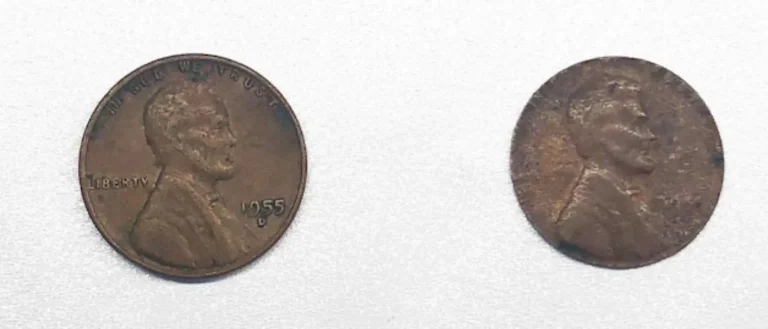
Is your wafer-thin penny or nickel a rare thin-planchet error, or was it soaked in acid? Learn how to tell chemical damage from genuine mint errors.
Is your wafer-thin penny or nickel a rare thin-planchet error, or was it soaked in acid? Learn how to tell chemical damage from genuine mint errors.
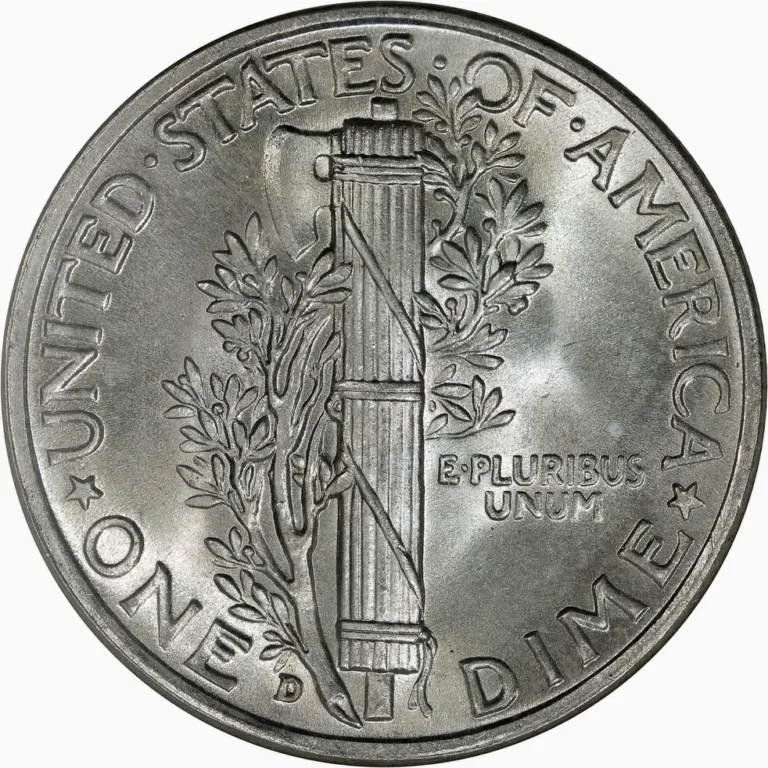
How fakers add or remove mint marks to turn common coins into key dates like the 1916-D dime and 1909-S VDB, and the warning signs to look for.
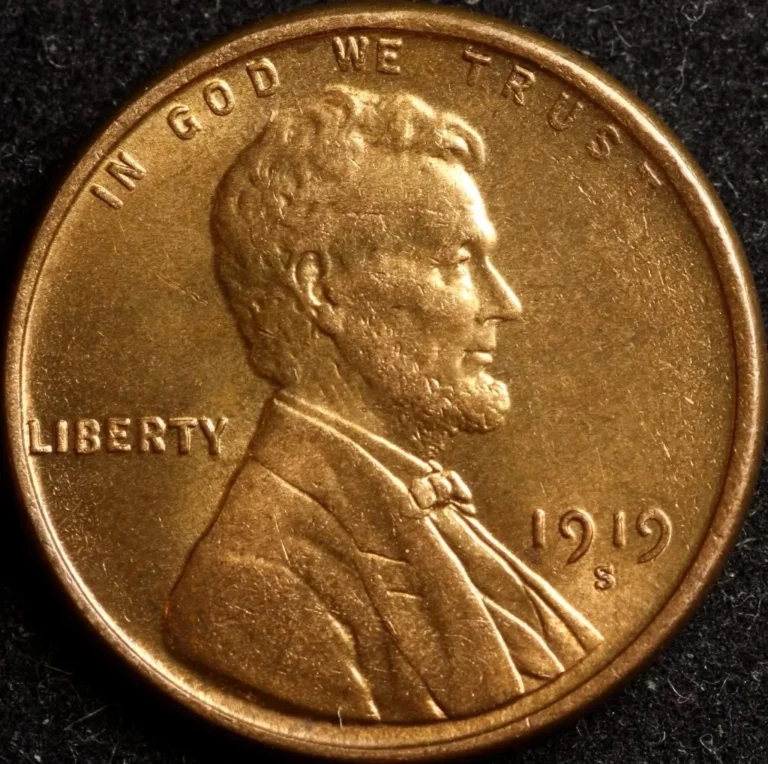
Every 1922 Lincoln cent was made in Denver, so why do some have no D? The No D varieties, which one is valuable, and how to spot a removed mint mark.

Is it legal to sell fake gold on Facebook if the seller admits it's a replica? What the Hobby Protection Act says about the word "COPY."
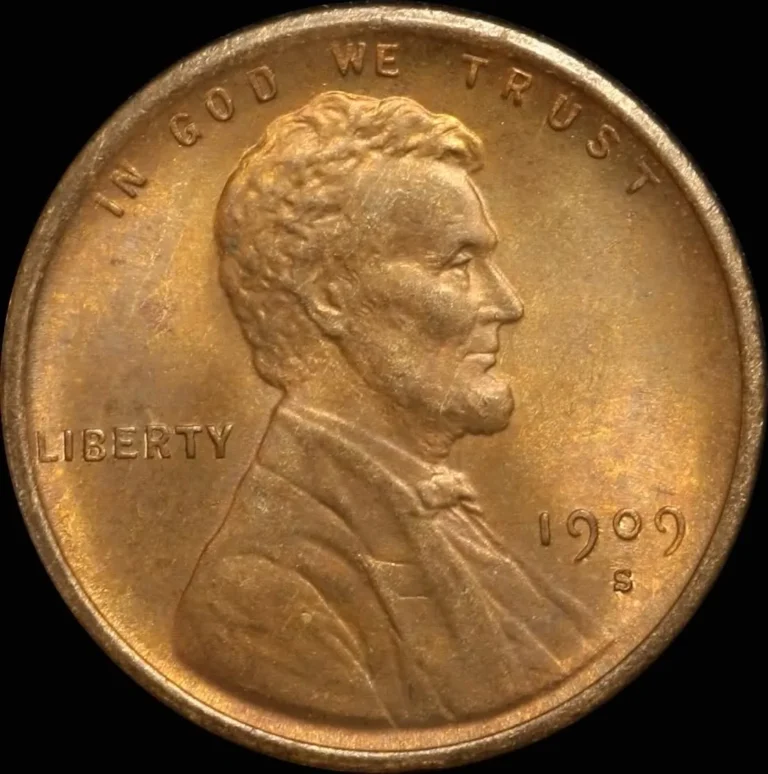
The 1909-S VDB is the most famous Lincoln cent. How to check the VDB and S mint mark, spot added mint marks and altered dates, and what makes one genuine.
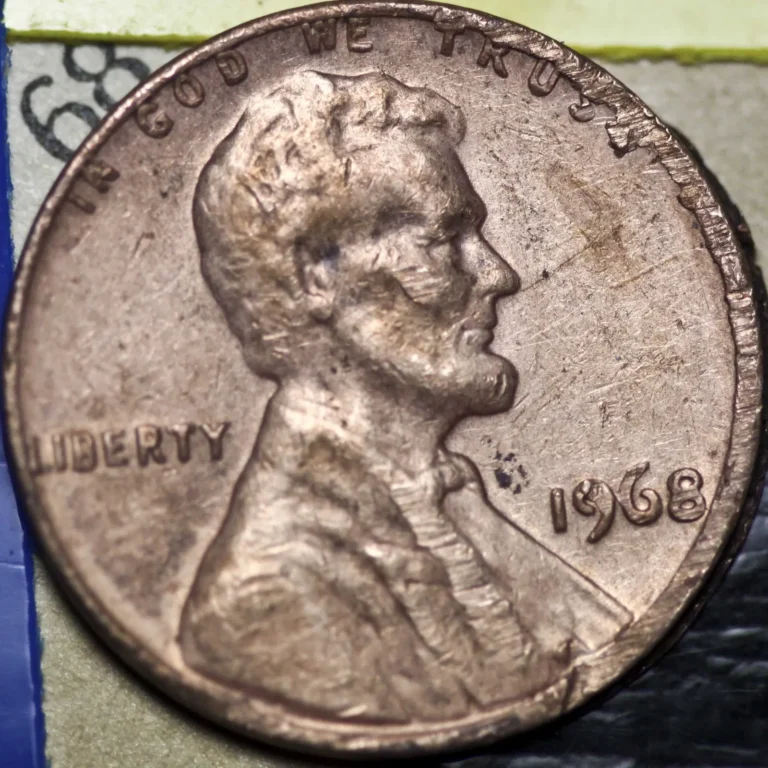
Is the L in LIBERTY touching the rim on your penny a rare error? No. Why it happens on older Lincoln cents and what it's really worth.
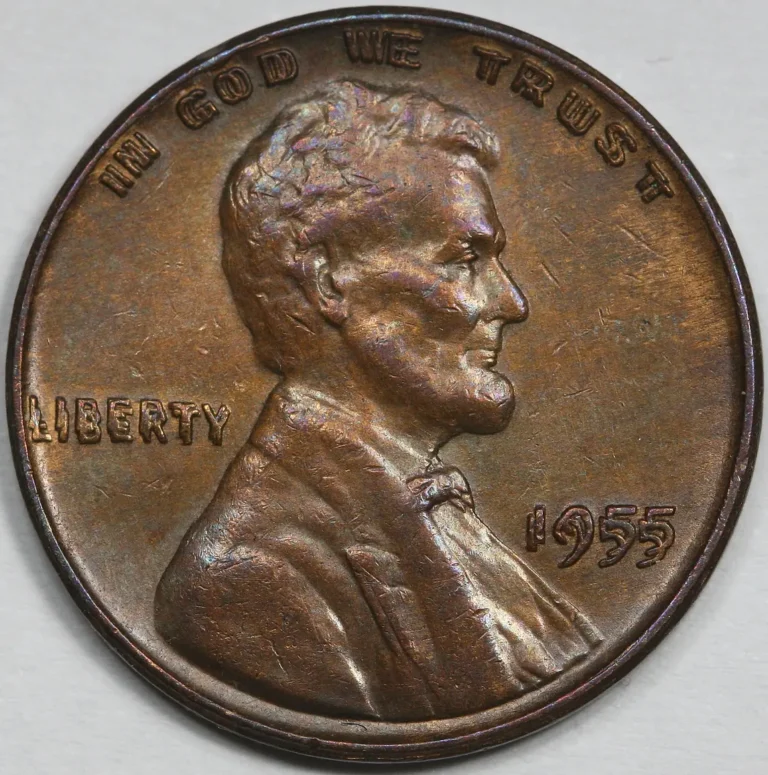
The 1955 doubled die penny is one of the most famous U.S. error coins. Here's how to recognize a real one and avoid fakes and look-alikes.
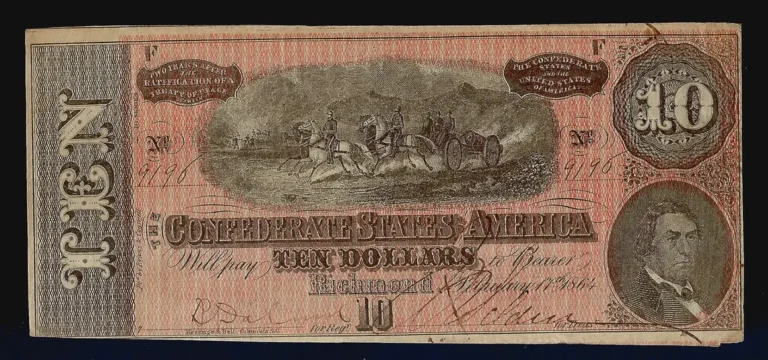
Most Confederate money found today is a souvenir reproduction. Here's how to spot copies, what genuine notes look like, and what real ones are worth.

Think you found an "In Cod We Trust" quarter? It isn't a mint error. Here's why worn and damaged quarters fool so many people.
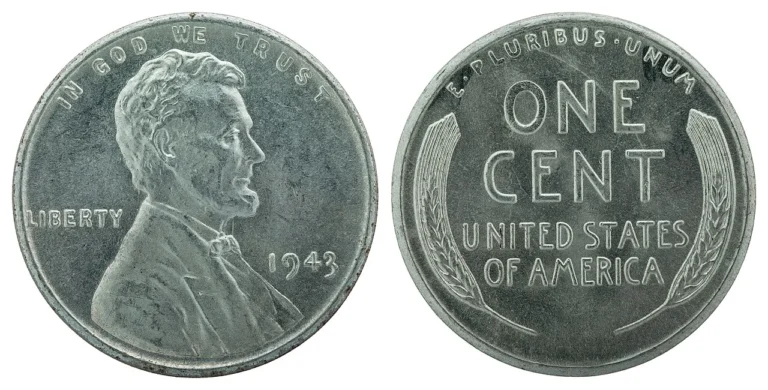
Think you found a million-dollar 1943 copper penny? Learn the 5-second magnet and weight tests to spot re-plated steel cents and altered dates.
Join the JoCo Coin Shop email list for the latest deals and fresh finds as they come in. Unsubscribe anytime.