What Is Junk Silver? A Simple Guide to 90% Silver U.S. Coins
What is 90% 'junk silver' and how much is it worth? Learn which pre-1965 U.S. dimes, quarters, and half dollars contain real silver.
If you walk into a coin shop and overhear someone asking to buy or sell a bag of “junk silver,” the term sounds pretty insulting. After all, how could real United States silver coins—like classic Walking Liberty half dollars, Mercury dimes, or silver Washington quarters—be called “junk”?
In the coin and bullion trade, “junk silver” (also widely known as 90% silver or constitutional silver) does not mean the coins are damaged or worthless. Instead, it simply means the coins are common dates in circulated condition that trade primarily for their precious silver content rather than as rare, high-grade collector pieces.
Whether you are sorting through a coffee can of old family change or looking for a smart, recognizable way to invest in physical silver, understanding how 90% silver works is essential.
Which U.S. Coins Are 90% Silver?
From 1837 through 1964, the United States Mint struck everyday circulating dimes, quarters, half dollars, and silver dollars out of an alloy composed of 90% pure silver and 10% copper (added to harden the metal so it wouldn’t wear out too quickly in pockets).
By the early 1960s, rising industrial silver demand pushed the bullion value of the metal close to the face value of the coins themselves. In response, Congress passed the Coinage Act of 1965, removing silver altogether from dimes and quarters and reducing half dollars to a 40% silver blend between 1965 and 1970. (Nickels have their own silver story: see our guide to 1942–1945 silver war nickels.)
Here is the cutoff date rule every collector and seller needs to memorize: Every U.S. dime, quarter, and half dollar dated 1964 or earlier is made of 90% silver.
Common series found in 90% silver lots include:
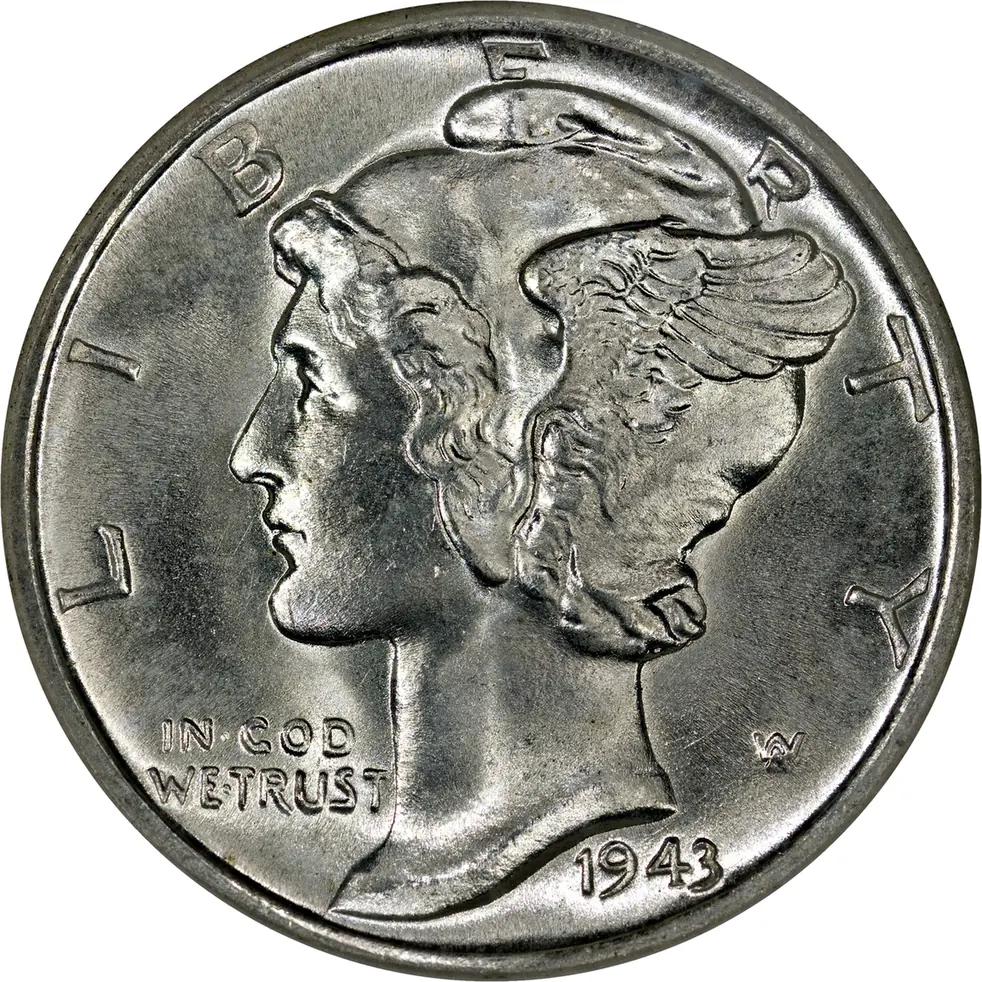
- Dimes (10¢): Barber Dimes (1892–1916), Winged Liberty “Mercury” Dimes (1916–1945), and Roosevelt Dimes (1946–1964).
- Quarters (25¢): Barber Quarters (1892–1916), Standing Liberty Quarters (1916–1930), and Washington Quarters (1932–1964).
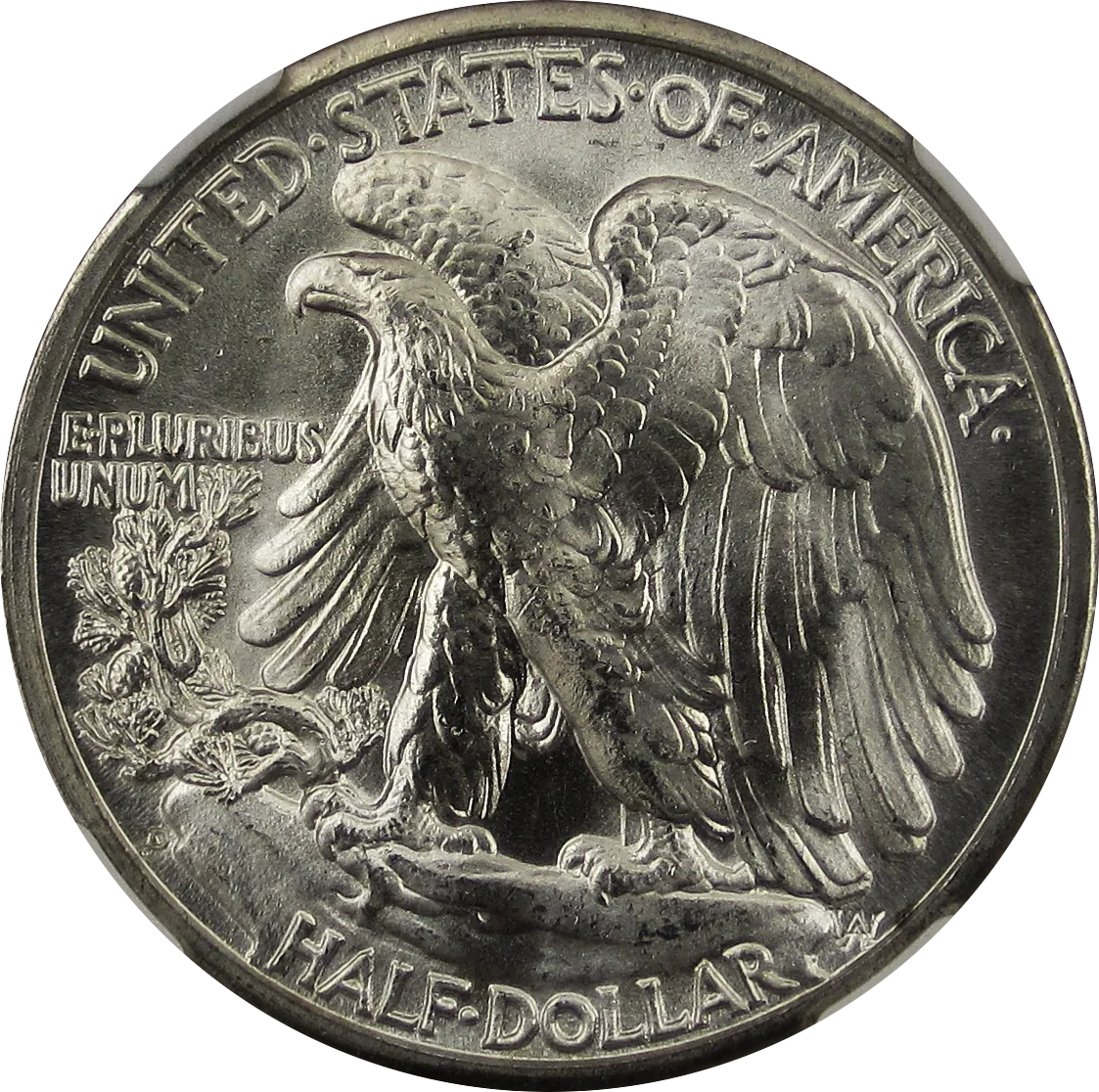
- Half Dollars (50¢): Barber Half Dollars (1892–1915), Walking Liberty Half Dollars (1916–1947), Franklin Half Dollars (1948–1963), and 1964 Kennedy Half Dollars.
How to Spot a Pre-1965 Silver Coin Instantly
Beyond checking the date on the front, simply turn the coin on its side and look at the reeded edge. Modern post-1964 clad coins have a visible copper-colored stripe running around the edge like a sandwich. A 90% silver coin has a solid, uniform silvery-white or gray edge with zero copper stripe showing.
The Magic Formula: $1.00 Face Value = 0.715 Troy Ounces
Because 90% silver dimes, quarters, and half dollars were all minted to proportional weight standards—specifically 2.50 grams for a dime, 6.25 grams for a quarter, and 12.50 grams for a half dollar—any combination of coins adding up to $1.00 in face value weighs the exact same amount: 25.00 grams.
Whether you are holding:
- 10 silver dimes ($1.00 face),
- 4 silver quarters ($1.00 face), or
- 2 silver half dollars ($1.00 face),
they all contain the exact same amount of silver.
When brand new from the Mint, $1.00 face value of 90% silver contains 0.7234 troy ounces of pure silver. However, because these coins circulated in pockets and cash registers for years, the industry standard accounts for slight metal wear by using a universal multiplier: 0.715 troy ounces of pure silver per $1.00 of face value.
That means a standard $10.00 roll of forty silver quarters—or two $5.00 rolls of fifty silver dimes—contains roughly 7.15 troy ounces of pure silver.
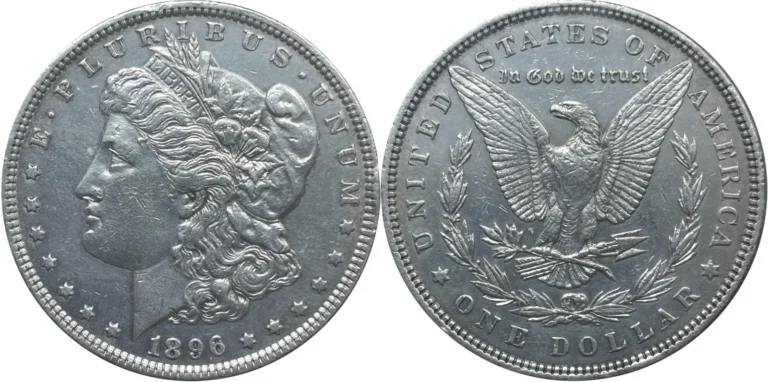
Note on Silver Dollars: Morgan (1878–1904 and 1921) and Peace (1921–1935) silver dollars are also 90% silver, but they were minted slightly heavier at 26.73 grams each (and some, like Carson City “CC” Morgans, carry big collector premiums), meaning a single silver dollar contains 0.7734 troy ounces of pure silver and always trades separately from dimes, quarters, and halves.
Why Both Sellers and Buyers Love 90% Silver
If you are selling old coins found in a lockbox or estate (see our tips on handling an inherited coin collection), 90% silver is remarkably liquid. Even a heavily worn, scratched-up 1942 Mercury dime or 1957 quarter is worth many times its face value in silver weight alone. Furthermore, before dumping a jar of pre-1965 coins into the bulk silver scale, a good local coin shop will check for rarer “key dates”—such as the 1916-D Mercury dime, 1932-D or 1932-S Washington quarter, or 1921 Walking Liberty half dollar—which are worth substantial collector premiums above melt value.
If you are buying precious metals, 90% constitutional silver offers unique advantages:
- Built-In Fractional Sizes: You don’t have to cut up a 10-ounce bar to make a small trade; a single silver dime is roughly 1/14th of a troy ounce.
- Instant Recognition: Pre-1965 U.S. coinage is universally recognized across North America and rarely counterfeited in common circulated dates.
- Easy to Value: Dealers price it by face value, so there’s no need to assay or weigh every coin.
The bottom line
“Junk silver” is anything but junk. Whether you have a coffee can of pre-1965 dimes and quarters you want to turn into cash, or you want to add fractional U.S. silver to your bullion stack alongside Silver Eagles, rounds, and bars, $1.00 of face value delivers 0.715 troy ounces of time-tested silver value.
Have a coin like this? JoCo Coin Shop offers honest, no-obligation appraisals across the Kansas City area. Contact us by phone, text, or email to get started.