Inherited a Coin Collection? 5 Mistakes to Avoid Before You Sell
Inherited a family coin collection? Avoid these 5 costly mistakes before bringing your estate coins in for a professional appraisal.
Sorting through an inherited coin collection is often an emotional and overwhelming task. One day you are opening a heavy safe or a closet full of old cigar boxes, blue Whitman folders, and plastic tubes, and the next day you are trying to figure out whether you are looking at ordinary pocket change or a five-figure family nest egg.
When families reach out to us about an estate collection, our goal is to make the process transparent, educational, and low-stress. However, we also see heartbreaking mistakes made at the kitchen table before the coins ever reach the shop.
If you have recently become the caretaker of a family collection, following these five rules will protect the value of your coins and save you hours of unnecessary work.
1. Never Clean, Wipe, or Polish Any Coin
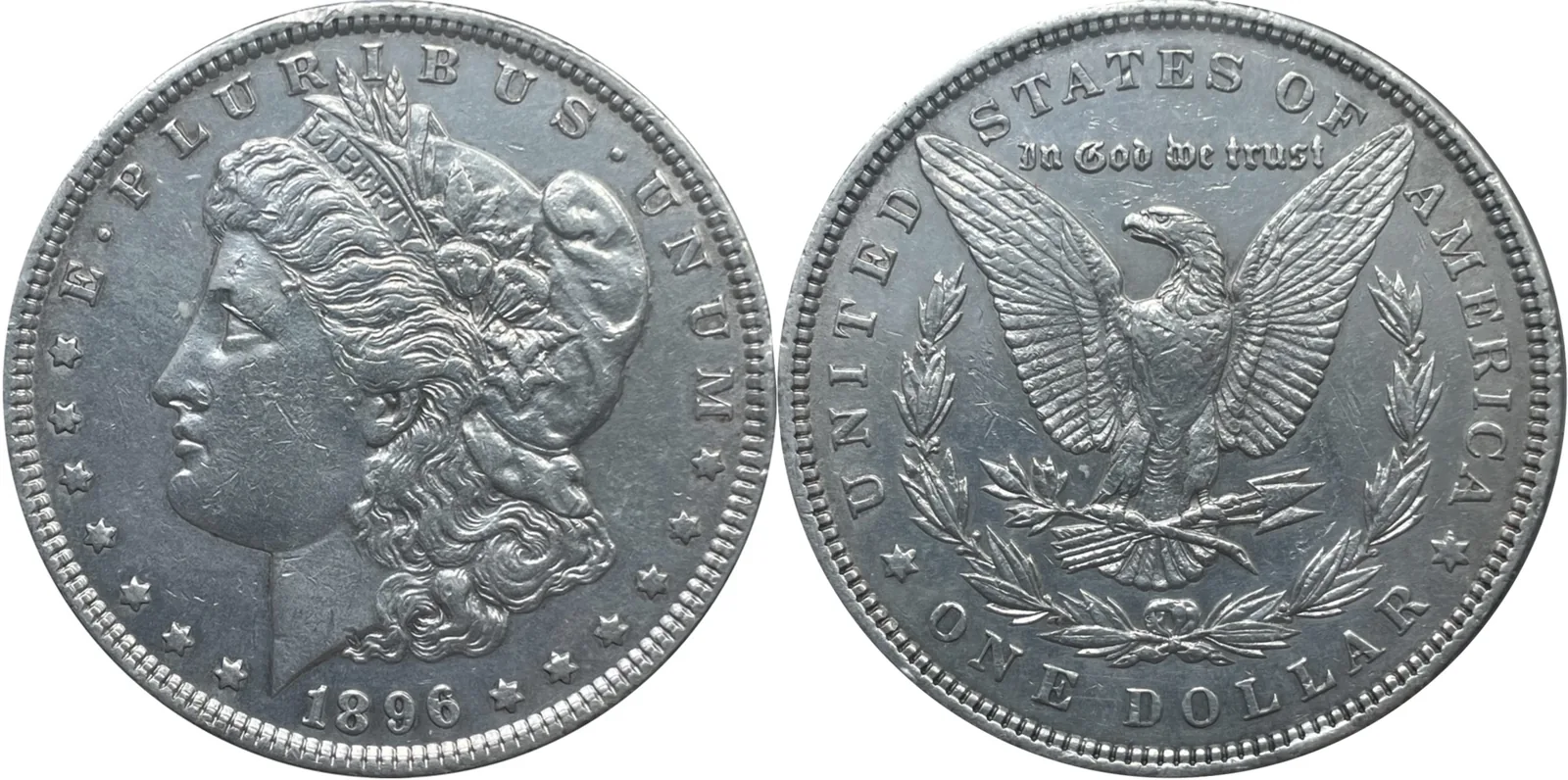
This is the single most expensive mistake an heir can make. To someone outside the hobby, a dark, tarnished 19th-century silver dollar looks dirty, and the natural instinct is to shine it up with baking soda, silver dip, dish soap, or a soft cloth before bringing it to an appraiser.
In numismatics, cleaning a coin destroys its collector value.
When a coin is struck at the U.S. Mint, the immense pressure of the dies creates microscopic flow lines across the metal surface that reflect light in a spinning “cartwheel” pattern known as mint luster. Wiping a coin—even with a dry tissue or microfiber cloth—drags microscopic dust particles across the metal, leaving hairline scratches that strip away that original surface. On a rare coin, one cleaning can easily cost half its value or more, and the major grading services will label it “Details: Cleaned” instead of giving it a normal grade. Leave every speck of dust, tarnish, and patina untouched.
2. Leave Coins Inside Their Current Holders and Albums
When organizing an estate, it is tempting to pop every coin out of its cardboard 2×2 flip, hard plastic tube, or vintage folder and consolidate them into Ziploc bags so they take up less space.
Do not remove coins from their holders for three important reasons:
- Preventing Contact Marks: Dumping silver or gold coins together into a plastic bag or jar causes heavy rims to bang against delicate surfaces, creating fresh nicks and “bag marks” that lower a coin’s grade.
- Preserving Collector Notes: Longtime collectors often wrote grades, purchase dates, variety notes, or provenance details right on the cardboard flips or envelopes. Those notes give an appraiser immediate clues about what your family member valued most.
- Avoiding Fingerprints: Touching raw coins by their flat faces leaves skin oils that etch permanent fingerprints into copper and silver over time. Always leave coins in their holders, or hold raw coins strictly by their outer edges.
3. Keep Paperwork, Mint Boxes, and Receipts Together
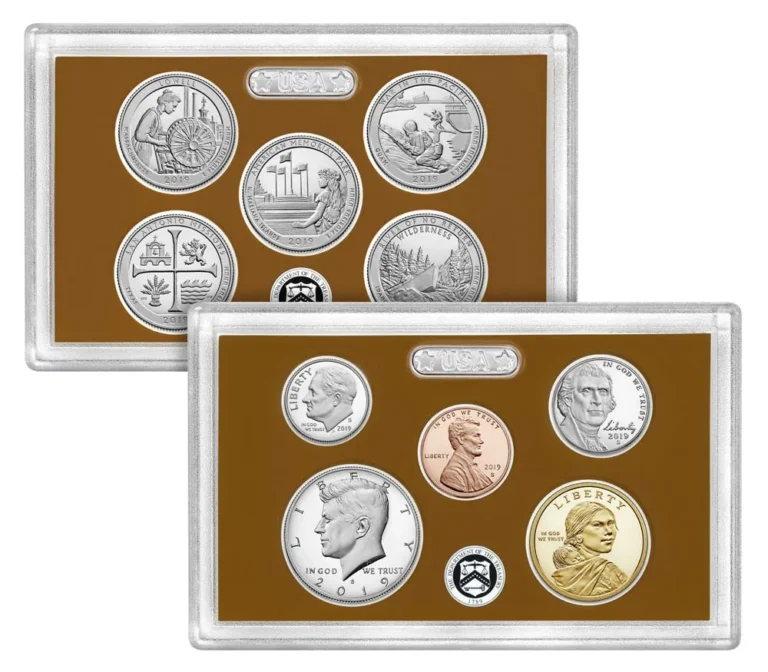
If the collection includes modern U.S. Mint commemorative coins, American Silver or Gold Eagles, or government Proof Sets, keep the original government boxes and Certificates of Authenticity (COAs) paired with the coins. While common modern clad proof sets trade at modest prices, certain special-issue Mint sets, burnished eagles, and prestige sets sell for noticeably more when their original velvet cases and outer sleeves are intact.
4. Don’t Spend Hours Recording Every Single Date
Many heirs think they need to sit down with a magnifying glass and type up a 20-page spreadsheet listing the date and mint mark of all 3,000 wheat pennies and silver dimes before visiting a coin dealer.
Unless you genuinely enjoy the process, you do not need to inventory every coin individually. An experienced coin dealer can sort a massive table of coins in minutes because we know exactly which categories trade as bulk precious metal and which specific series require date-by-date inspection. If you’re sending photos ahead of time, a few overview snapshots that show the size and variety of the collection are perfect. There’s no need to photograph every coin.
If you want to organize the collection slightly before your appointment so you feel prepared, simply group the boxes into broad categories:
- Gold Coins & Bullion: Any U.S. or world gold coins, bars, or rounds, plus silver bullion like American Silver Eagles and silver bars.
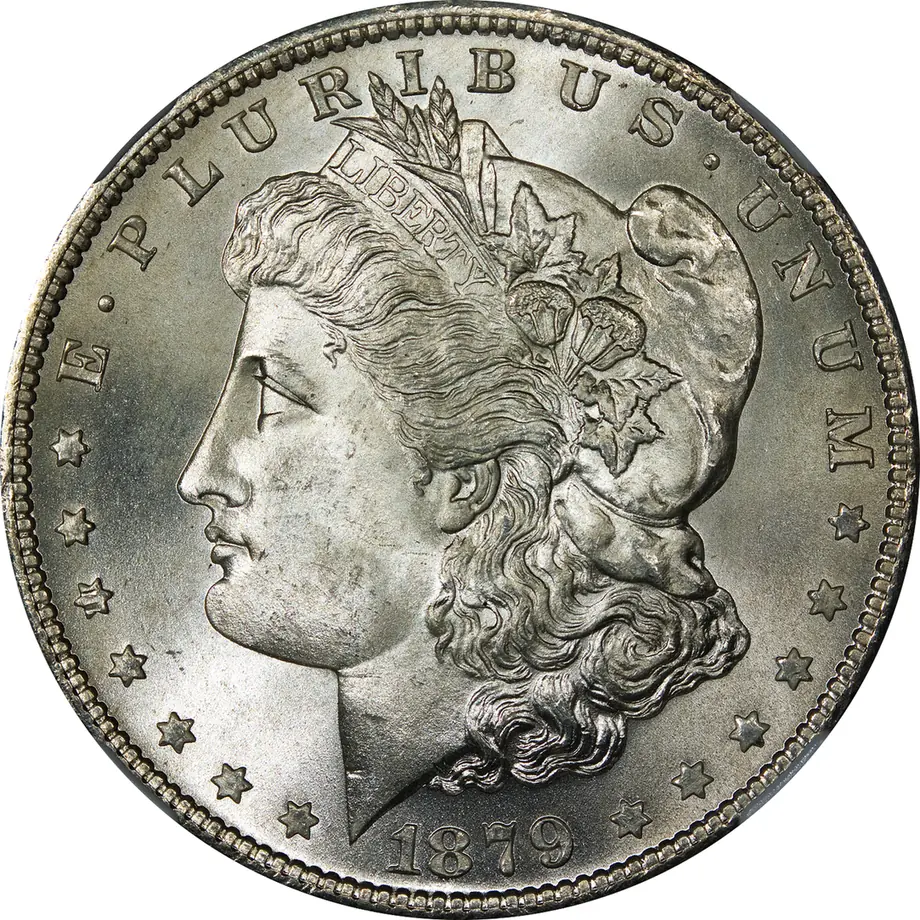
- Silver Dollars: Large, heavy silver coins dated 1878 to 1935 (Morgan and Peace dollars). Check the backs for a Carson City “CC” mint mark.
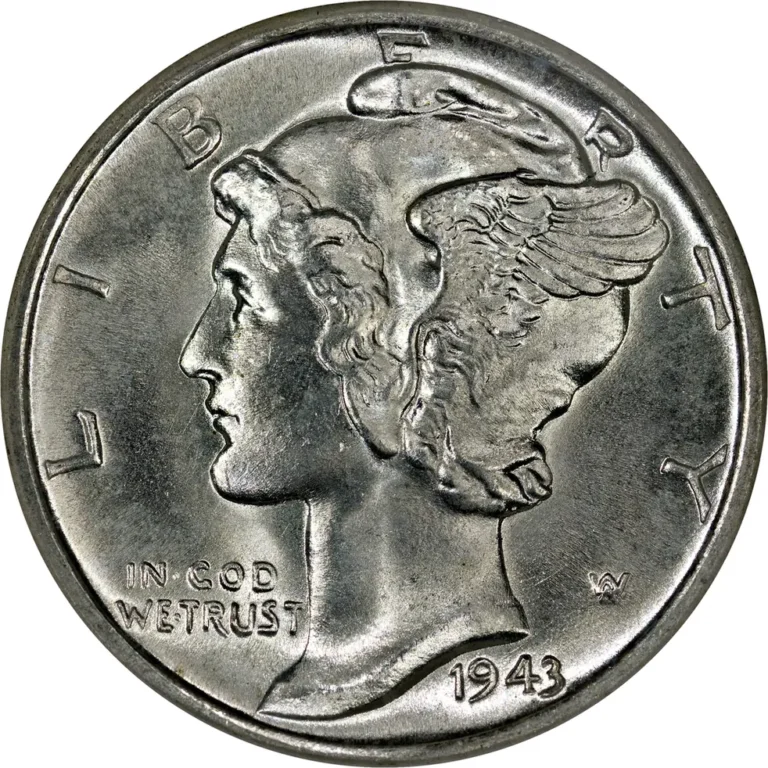
- 90% Silver Change: Pre-1965 dimes, quarters, and half dollars, often stored in bank rolls, canvas bags, or tubes (here’s how junk silver is valued). Toss any 1942–1945 silver war nickels in this pile too.
- Albums & Type Coins: Older coins in folders, cardboard 2x2s, or hard plastic grading slabs (PCGS, NGC, ANACS).
- Government Sets & Paper Money: Proof sets, Mint sets, and old large-size or silver certificate paper bills.
5. Understand How a Professional Appraisal Works
You should never feel rushed or pressured during an appraisal. At JoCo Coin Shop, it starts with a call, text, or email, ideally with a few photos of the collection. We review those and let you know whether the collection calls for a closer, in-person look, and if it does, we set up a time and place to meet. The evaluation itself happens right in front of you, and we explain what drives the value of each piece: condition, rarity, metal content, and collector demand.
We separate the collection into stacks right before your eyes: isolating high-value key dates and certified coins for individual numismatic pricing, weighing and counting bulk 90% silver and bullion based on the current metals market, and separating ordinary face-value pocket change so you can take it straight to the bank. At the end you get a no-obligation offer. Whether you decide to sell the entire estate on the spot, sell part of it, or keep the most meaningful pieces in the family, you walk away knowing exactly what you have.
The bottom line
The best preparation you can do with an inherited coin collection is almost nothing at all: keep the polishing cloths away, leave the coins safely in their existing albums and boxes, and let a professional walk you through the collection piece by piece.
Have a coin like this? JoCo Coin Shop offers honest, no-obligation appraisals across the Kansas City area. Contact us by phone, text, or email to get started.