An Executor’s Guide to Handling a Coin Collection in an Estate
Handling a coin collection as an executor or heir? Here's how to secure it, take inventory, divide it fairly, and sell it without costly mistakes.
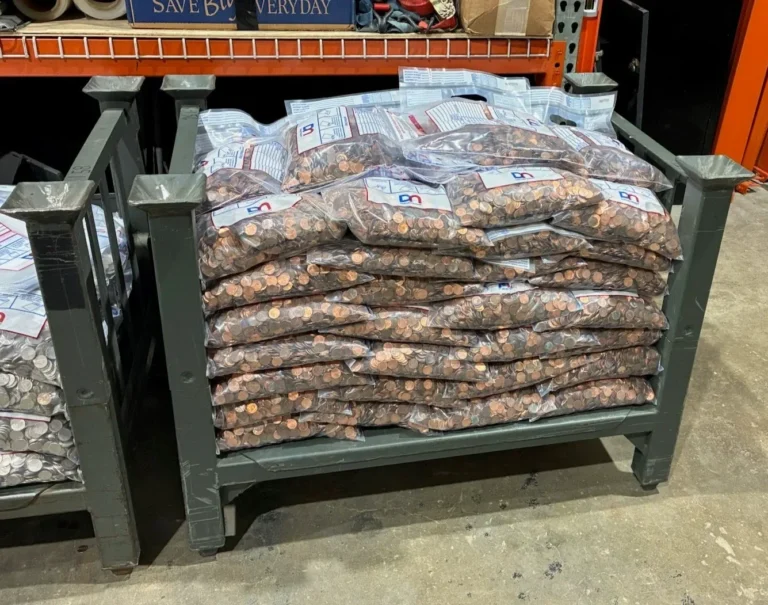
Being the executor of an estate is a lot of responsibility, and a coin collection can add one more thing to figure out. Coins are small, easy to lose, and hard to value if you don’t know them. Family members may have strong feelings about who gets what.
Here’s a simple plan I’d suggest. I’m not an attorney or a tax advisor, so for legal and tax questions, talk to the professionals handling the estate.
Step 1: Secure Everything First
- Gather the coins in one safe place as soon as possible.
- Check for more: safes, closets, dresser drawers, the garage, and any safe deposit boxes. Collectors often keep coins in more than one place.
- Don’t let anyone take coins “as keepsakes” before the collection is reviewed. Small coins can be worth a lot, and it’s hard to be fair after the fact.
Step 2: Leave the Coins as They Are
- Don’t clean anything. Cleaning can destroy collector value. See should I clean my coins?
- Don’t take coins out of holders, albums, or Mint packaging.
- Don’t spend or cash in old coins at the bank. Ordinary-looking coins can be silver or scarce dates.
Step 3: Make a Simple Inventory
You don’t need to list every coin. A general inventory is enough to start:
- Number of albums, boxes, rolls, and jars
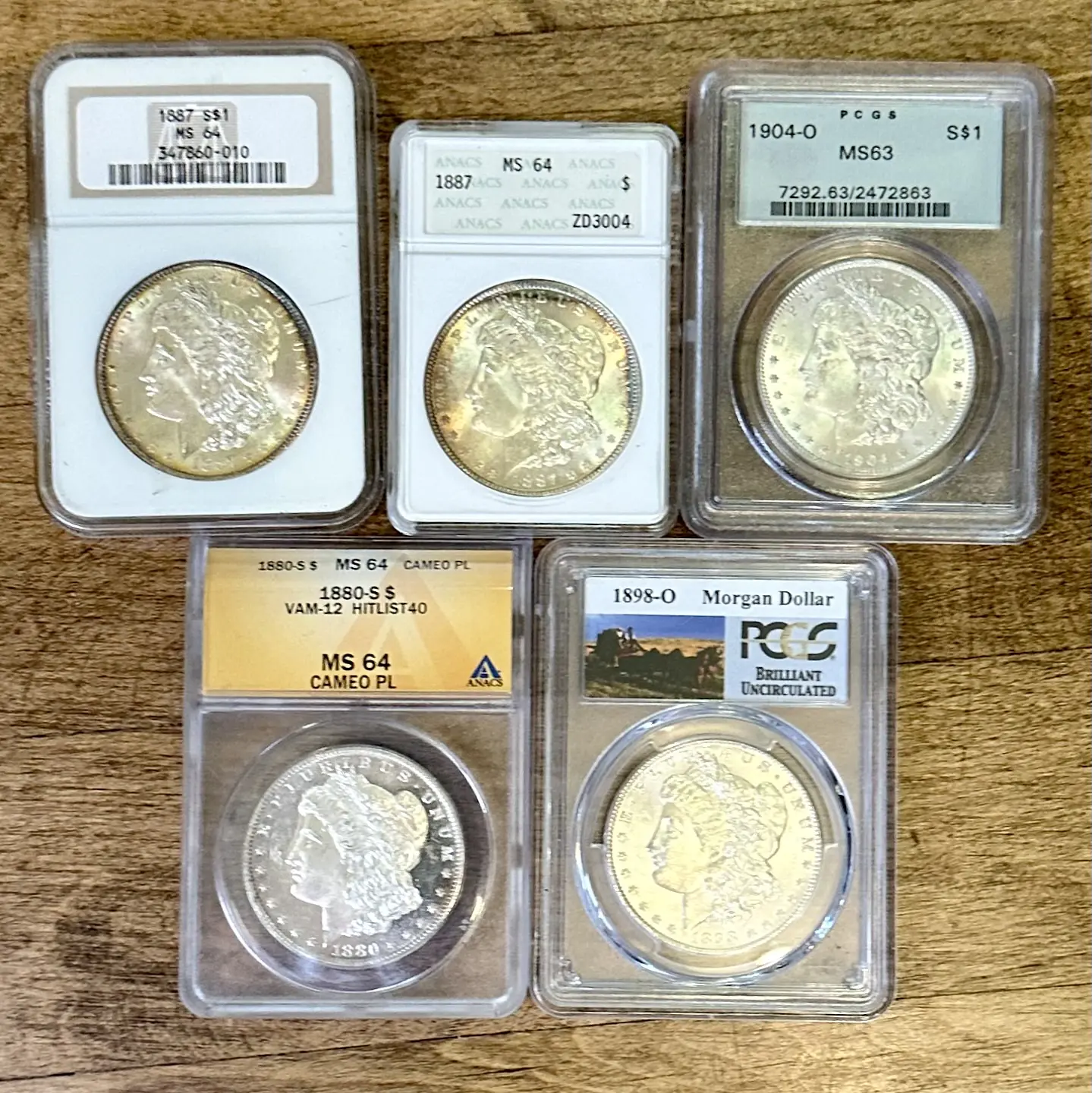
- Any gold coins, silver dollars, or graded coins in plastic holders
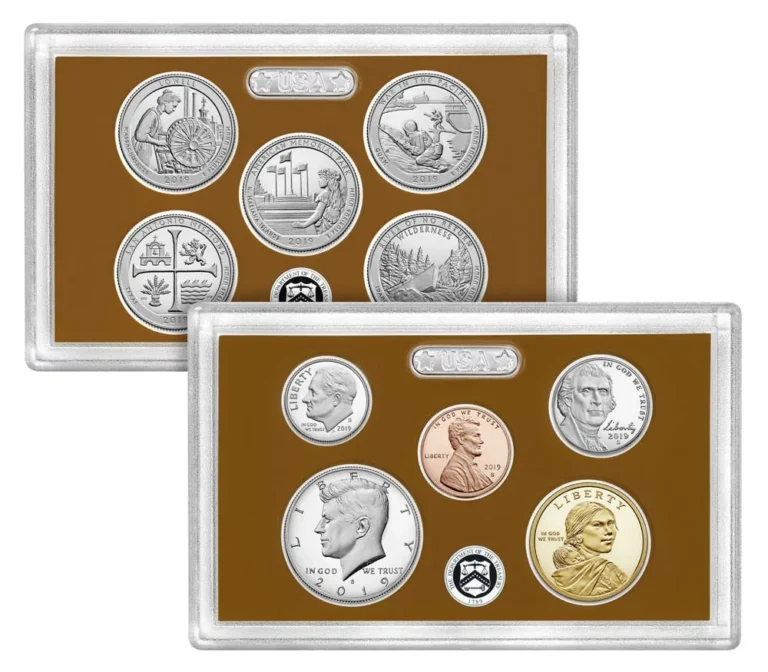
- Proof sets, mint sets, and paper money
- Any receipts, notes, or lists the collector kept
Take a few overview photos of everything together. Photos help with the estate record and make it much easier to get an initial opinion from a dealer. Here’s how to photograph coins with your phone.
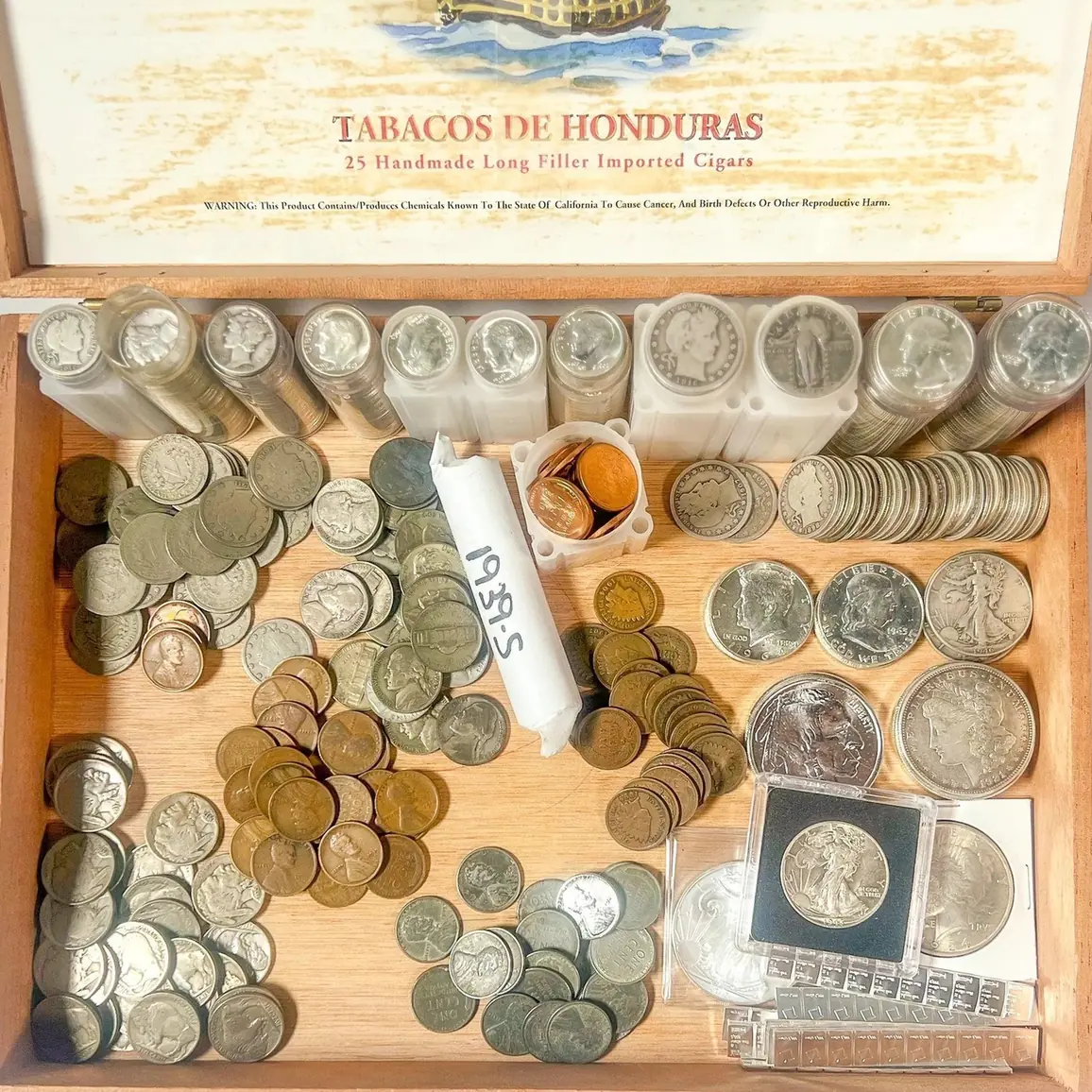
Step 4: Get an Appraisal
An appraisal gives you a starting point for decisions: whether to sell, how to divide items fairly among heirs, and what to report to the estate’s attorney or accountant.
Ask how the appraisal works and what it’s for. An offer to buy is not the same thing as a formal written appraisal for tax or legal purposes. If the estate’s attorney needs a formal appraisal document, ask them what they require.
Step 5: Decide How to Divide or Sell
Common approaches:
- Divide the coins among heirs based on value, so everyone gets a fair share.
- Let heirs keep a sentimental piece or two, and sell the rest.
- Sell everything and split the proceeds.
Selling a whole collection together is usually simpler than selling it piece by piece, and it’s easier to keep things fair when everyone knows the total.
Mistakes to Avoid
- Letting relatives pick through the coins before they’re valued
- Cleaning or “organizing” coins out of their holders
- Selling to the first person who answers an online ad
- Assuming old proof sets or “collector” coins from TV ads are worth what was paid for them
For more, see mistakes to avoid with an inherited coin collection and how to sell a coin collection.
The Bottom Line
Secure the coins, leave them as they are, make a simple inventory with a few photos, and get an appraisal before making decisions. Taking it one step at a time protects the estate and keeps things fair for everyone.
Handling an estate with coins? JoCo Coin Shop offers honest, no-obligation appraisals across the Kansas City area. Contact me by phone, text, or email to get started.