Are State Quarters Worth Anything? Errors and Varieties to Look For
Most 50 State quarters are worth 25 cents, but a few errors and varieties are worth more, including the 2004-D Wisconsin extra leaf and the Kansas In God We Rust.
A lot of people collected the 50 State quarters when they came out, filling in a map on the fridge or a folder from the drugstore. Now those folders are turning up in closets, and people want to know if they’re worth anything.
The honest answer is that most state quarters are worth 25 cents. But there are a few errors and varieties worth looking for, and one of them has a Kansas connection.
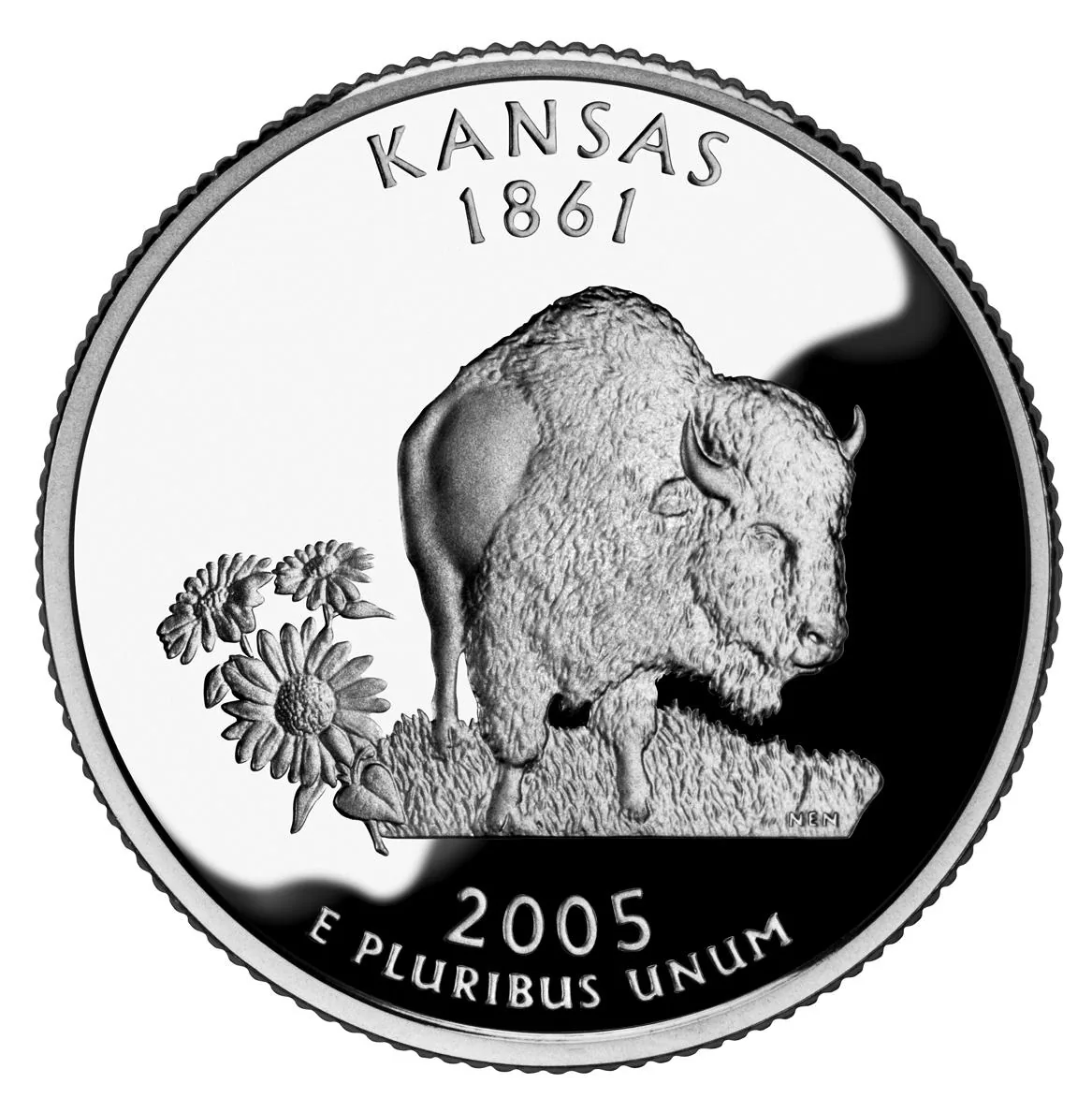
The State Quarter Program
The 50 State Quarters program ran from 1999 to 2008. The Mint released five new designs a year, in the order the states joined the Union. Each design was made at Philadelphia (P) and Denver (D), with proof versions made at San Francisco (S).
The program was followed by:
- 2009: quarters for the District of Columbia and five U.S. territories
- 2010 to 2021: the America the Beautiful quarters, honoring national parks and sites
Because billions of state quarters were made and saved, circulated ones are worth face value.
The Ones Worth Looking For
Here are the best-known state quarter errors and varieties, in year order. Each one is a real mint-made mistake, and nice examples can bring a premium over face value from collectors, depending on the market.
1999 Delaware “Spitting Horse”
Delaware’s quarter was the very first state quarter. It shows Caesar Rodney on horseback. In 1776 he rode about 70 miles from Dover to Philadelphia to cast the vote that broke Delaware’s tie on independence (CoinWeek).
On some of these quarters, a die crack runs out from the horse’s mouth, so it looks like the horse is spitting. Die cracks happen when a die starts to break after a lot of use, and the crack leaves a raised line on every coin it strikes afterward. Cracks like this have been reported on both Philadelphia (P) and Denver (D) coins, and the bigger, bolder ones are much less common (APMEX). It’s a genuine error, and collectors love it for the laugh.
2004-D Wisconsin “Extra Leaf”
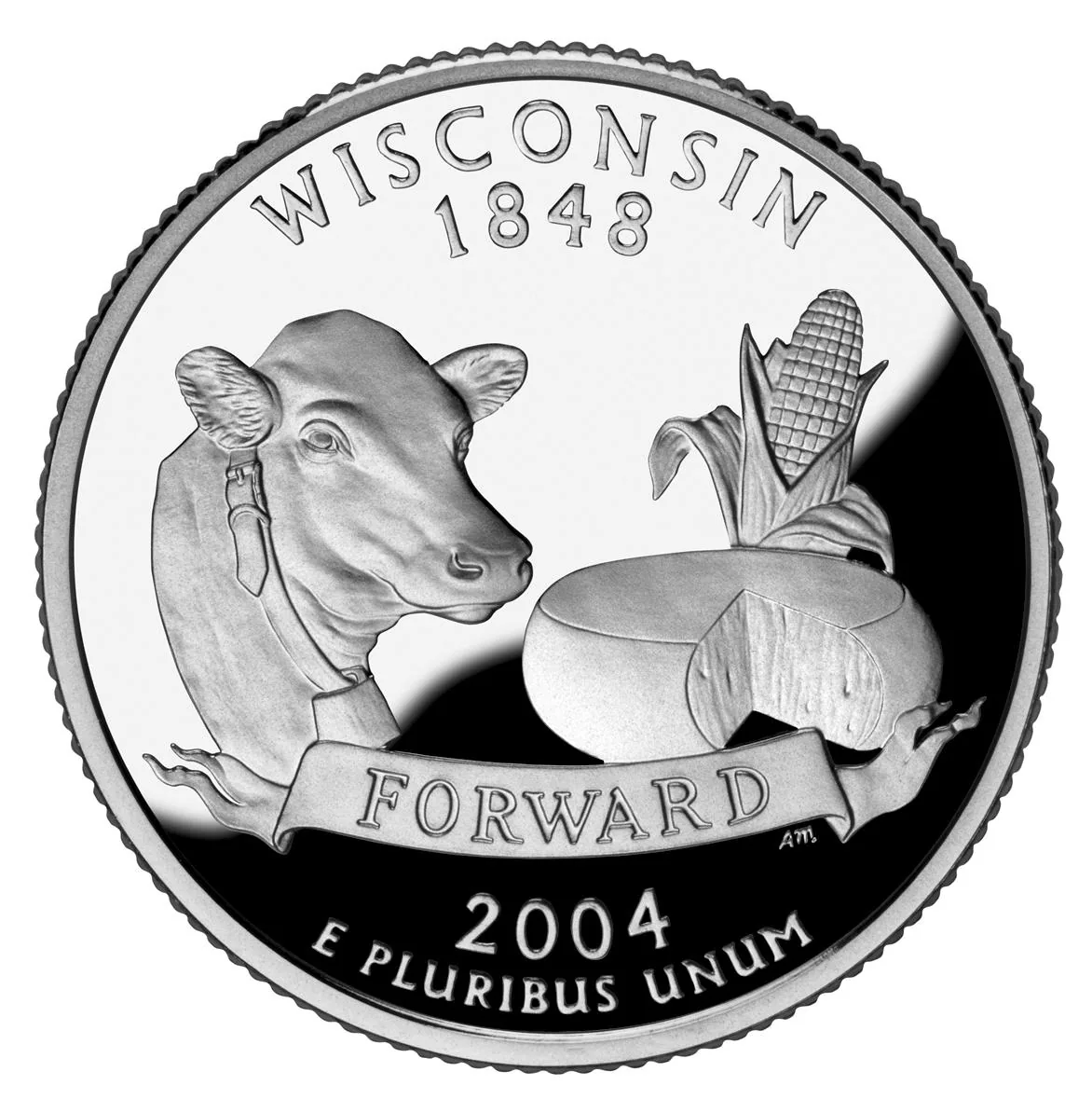
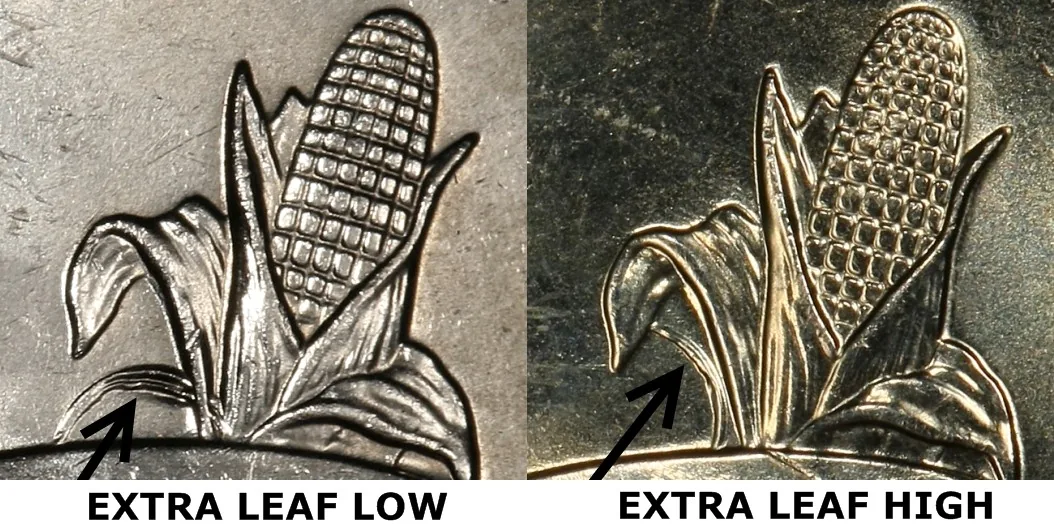
The Wisconsin quarter shows a cow, a wheel of cheese, and an ear of corn. On some 2004-D Wisconsin quarters, the corn has an extra leaf. PCGS called it the first major variety in the state quarter series, and it has only turned up on Denver coins (PCGS).
There are two versions. On the “Low Leaf,” the extra leaf curves down in an arc. On the “High Leaf,” it points up toward the rim. The mark looks like a gouge in the die, but it’s shaped so much like a leaf that it has never been settled whether it was an accident or done on purpose. You can see it without a magnifier. These are genuine varieties and are worth well over face value.
2005-P Kansas “In God We Rust”
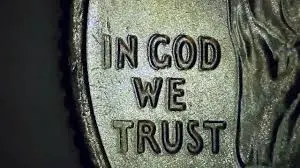
Here’s the local one. Some 2005-P Kansas quarters were struck from a die with grease packed into the letters, so the T in TRUST on the front is missing or just a faint ghost. The motto reads “IN GOD WE RUST.” Grease-filled dies are a common kind of error, so this one carries a small premium but isn’t rare like the Wisconsin extra leaf (APMEX).
Watch out for fakes. It’s easy to scrape the T off an ordinary quarter. On a real one, the spot where the T should be is smooth and matches the area around it. Scratches, tool marks, or a rough patch mean the letter was removed after the coin left the Mint, and that’s damage, not an error.
2005-P Minnesota “Extra Tree” Doubled Die
The Minnesota quarter shows a loon on a lake with a row of spruce trees behind it. On some 2005-P quarters, a doubled die left a ghostly partial tree in the row. On the best-known version, count four trees to the right of the state outline, and the extra tree sits right next to the fourth one, near the center of the coin.
There are more than 50 different doubled dies on this coin, and new ones are still being found. The major one is the most wanted, and in general the stronger and clearer the extra tree, the more collectors want it (PCGS).
Silver Proof Quarters
State quarters in silver proof sets are 90% silver. They’re mirror-like and came in Mint packaging, so you won’t usually find them in change. If you have silver proof sets, they’re worth more than regular proof sets.
Other Errors
Like any coin, state quarters can have genuine mint errors, such as off-center strikes, clipped planchets, or coins struck on the wrong blank. Those are worth a closer look. Scratches, dents, and corrosion are just damage.
What About Uncirculated Rolls and Sets?
Bank-wrapped rolls and Mint sets with state quarters usually bring a small premium, mostly for collectors who want perfect coins. Folders and maps of circulated quarters are generally worth face value.
More guides: Bicentennial coins, dollar coins, silver Washington quarters, the “In Cod We Trust” quarter.
The Bottom Line
Most state quarters are worth 25 cents, but it’s worth checking for the 1999 Delaware “spitting horse,” the 2004-D Wisconsin extra leaf, the 2005-P Kansas “In God We Rust,” and the 2005-P Minnesota extra tree. If you have silver proof sets with state quarters, those are worth more too.
Found an unusual quarter? JoCo Coin Shop offers honest, no-obligation appraisals across the Kansas City area. Contact me by phone, text, or email to get started.