Bicentennial Coins (1776-1976): Are Your Quarters, Halves, and Dollars Worth Anything?
Most 1776-1976 Bicentennial quarters, halves, and dollars are worth face value. Here's which ones are silver and what makes a few worth more.
Millions of Americans saved Bicentennial coins in 1976 to mark the country’s 200th birthday. Now those quarters, half dollars, and dollars are turning up in jars and drawers, and online videos make some of them sound like treasure. Here’s the honest truth about what they’re worth.
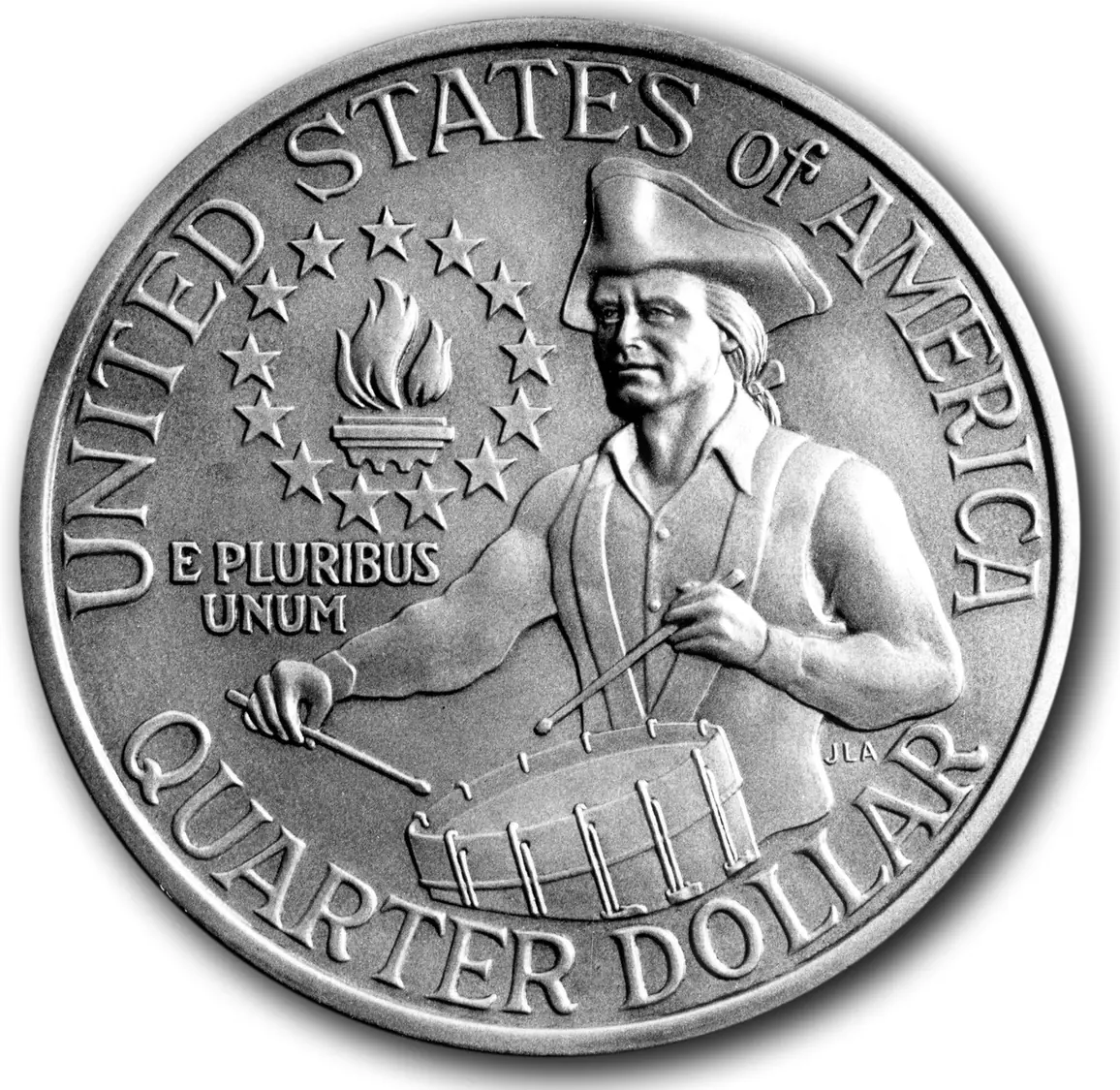
The Three Bicentennial Coins
For the Bicentennial, the Mint put special designs on three coins, all dated 1776-1976. They were made in both 1975 and 1976, which is why there are no quarters, halves, or dollars dated 1975.
- Quarter: A colonial drummer boy, designed by Jack L. Ahr
- Half dollar: Independence Hall, designed by Seth G. Huntington
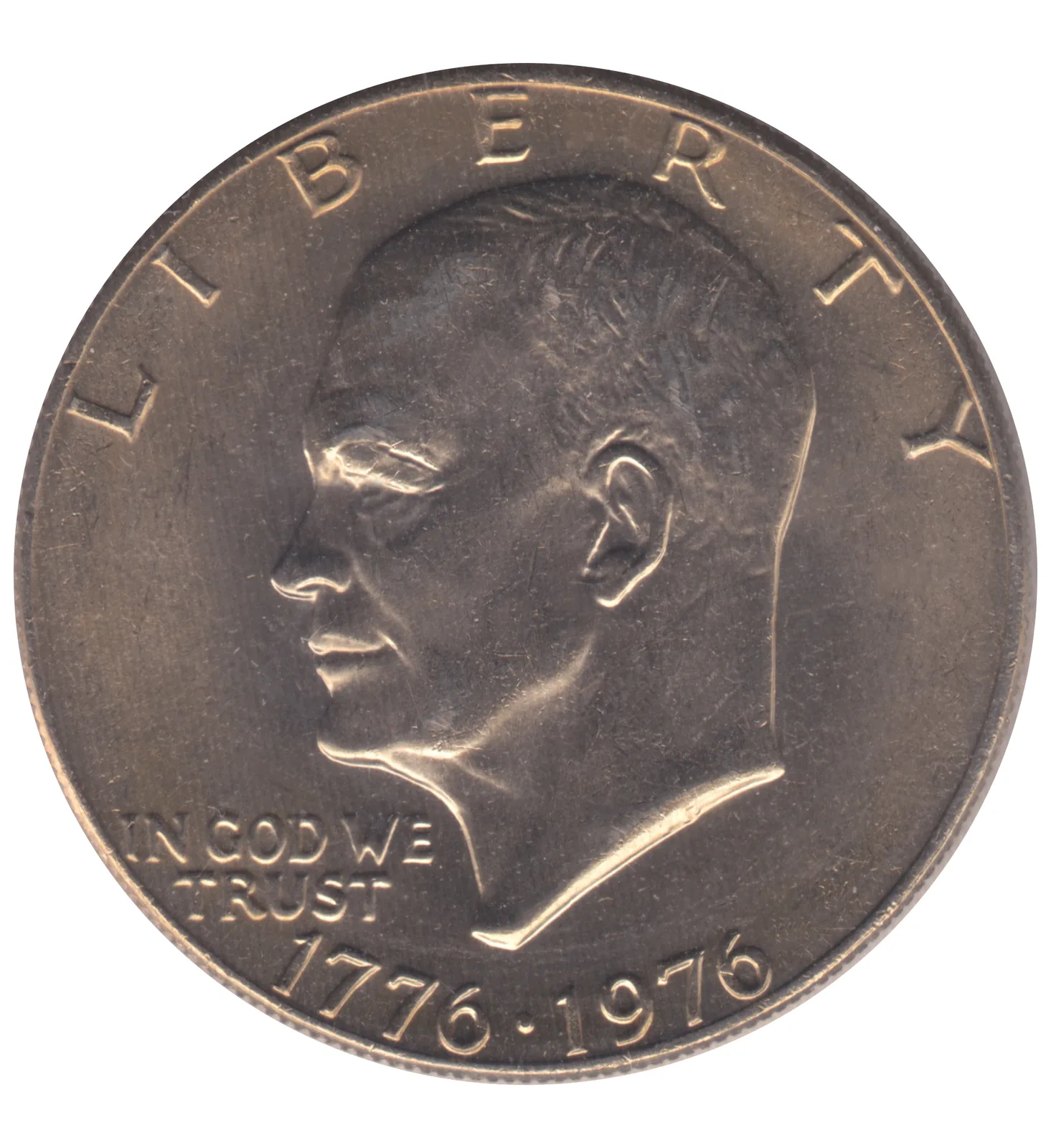
- Dollar (Eisenhower): The Liberty Bell over the moon, designed by Dennis R. Williams
Most Are Worth Face Value
Hundreds of millions of Bicentennial quarters alone were made, and lots of people saved them. Circulated Bicentennial coins with no mint mark (Philadelphia) or a D (Denver) are copper-nickel clad and worth face value.
The Silver Ones
The Mint also made 40% silver versions with an S mint mark (San Francisco), sold to collectors in special three-coin sets, in both proof and uncirculated versions. They weren’t released for circulation, though some have been spent over the years.
If you have Bicentennial coins with an S mint mark, check the edge: a 40% silver coin has a faint, light stripe instead of a copper stripe. (There were also clad proof versions with an S, so the edge is the tell.)
What Makes One Worth More
- 40% silver S coins, especially in their original Mint packaging
- High-grade uncirculated coins, graded at the top of the scale
- Genuine mint errors, like off-center strikes, clipped planchets, or coins struck on the wrong blank
- Bicentennial Ike dollar varieties: There are two lettering styles on the back, called Type 1 (bold, blocky letters) and Type 2 (thinner, sharper letters). Some combinations are scarcer.
Watch Out for Online Hype
Videos and listings claiming a “rare” Bicentennial quarter is worth thousands usually show either a top-graded coin, a genuine error, or nothing special at all. An ordinary circulated drummer boy quarter is worth 25 cents. Look for real sales records, not asking prices.
More guides: state quarters, $2 bills, Franklin halves, dollar coins.
The Bottom Line
Most Bicentennial quarters, halves, and dollars are worth face value. The 40% silver S versions, top-grade uncirculated coins, and genuine errors are the ones worth a closer look.
Have Bicentennial coins or sets? JoCo Coin Shop offers honest, no-obligation appraisals across the Kansas City area. Contact me by phone, text, or email to get started.