Coin Grading for Beginners: The 1 to 70 Scale Explained
What do grades like VF-20, AU-58, and MS-65 mean? A beginner's guide to the 1 to 70 coin grading scale and why condition matters so much.
Two coins with the same date and mint mark can be worth very different amounts, and the reason is almost always condition. Collectors call it the coin’s grade. If you’ve ever seen something like “MS-65” or “VF-20” and wondered what it meant, this guide is for you.
Where the 1 to 70 Scale Came From
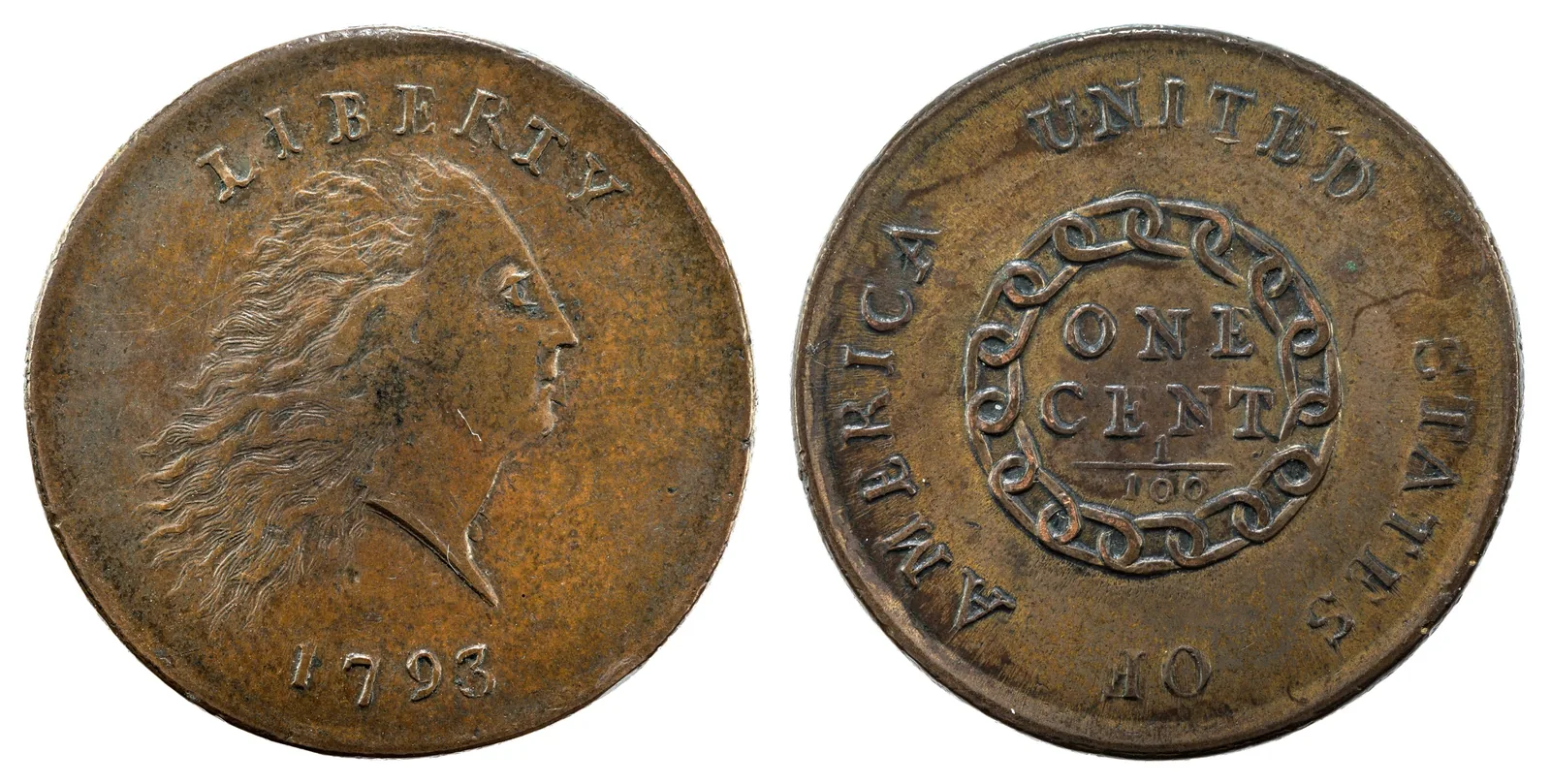
The numbers come from a scale created by Dr. William Sheldon, who introduced it in his 1949 book about early American large cents. He gave coins a number from 1 to 70, partly to reflect how condition affected their price at the time. The scale stuck, and today it’s used for all U.S. coins.
- 1 is a coin worn almost beyond recognition.
- 70 is a perfect coin with no flaws visible under magnification.
The Grades, in Plain English
Circulated Grades (1 to 58)
These coins show wear from being used as money.
- Poor (P-1) and Fair (FR-2): Heavily worn. You may barely make out the type and date.
- About Good (AG-3): The date may be weak, and the rims are worn into the design.
- Good (G-4, G-6): Heavily worn, but the main design, date, and lettering are outlined.
- Very Good (VG-8, VG-10): Well worn, with some inner details starting to show.
- Fine (F-12, F-15): Moderate, even wear. All major details are visible.
- Very Fine (VF-20 to VF-35): Light to moderate wear on the high points, with sharp details.
- Extremely Fine (EF-40, EF-45): Light wear only on the highest points. Also written XF.
- About Uncirculated (AU-50 to AU-58): Just a trace of wear on the highest points. Often some original shine (luster) remains.
Mint State (60 to 70)
These coins have no wear at all. The grade depends on things like marks from bumping into other coins, luster, and eye appeal.
- MS-60 to MS-62: No wear, but plenty of marks or dull luster.
- MS-63 to MS-64: Fewer marks, decent luster.
- MS-65 and up: “Gem” quality. Few marks, strong luster, great eye appeal.
- MS-70: Perfect, as struck.
Proof Coins
Proofs are specially made coins for collectors, usually with mirror-like fields. They use the same numbers with PR or PF in front, like PF-69.
Why a Few Points Can Matter So Much
For many coins, especially in Mint State, the difference between one grade and the next can change the value a lot. That’s because there are far fewer coins in the top grades. A common date in MS-63 might be easy to find, while the same coin in MS-67 might be genuinely scarce.
For circulated coins, especially common ones, the difference between grades is usually much smaller.
Third-Party Grading
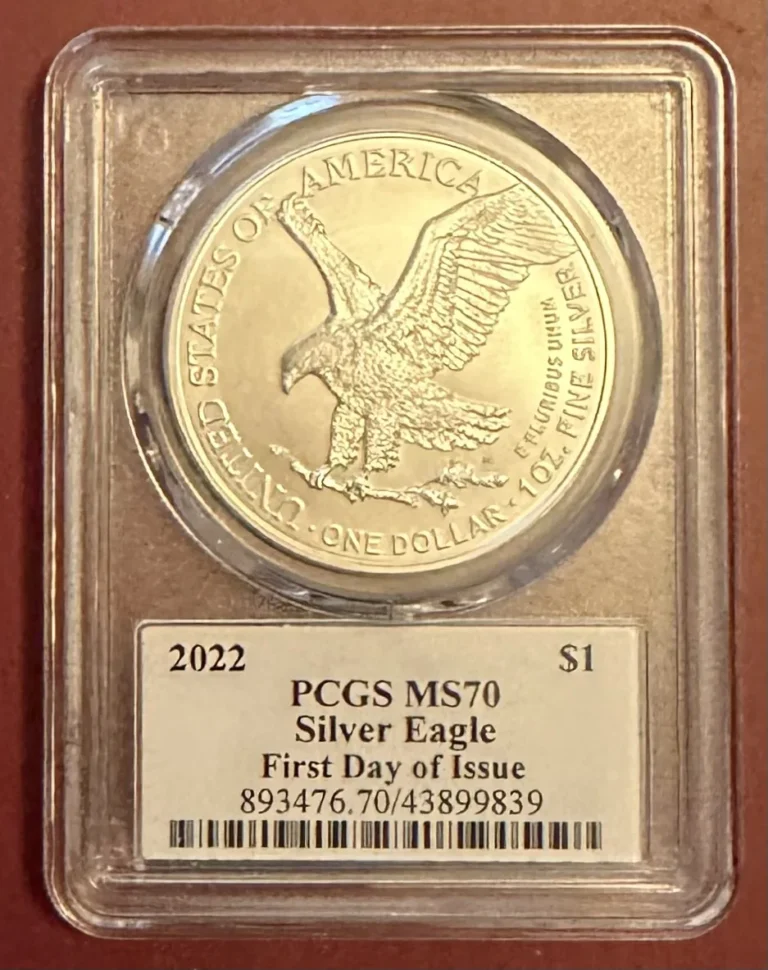
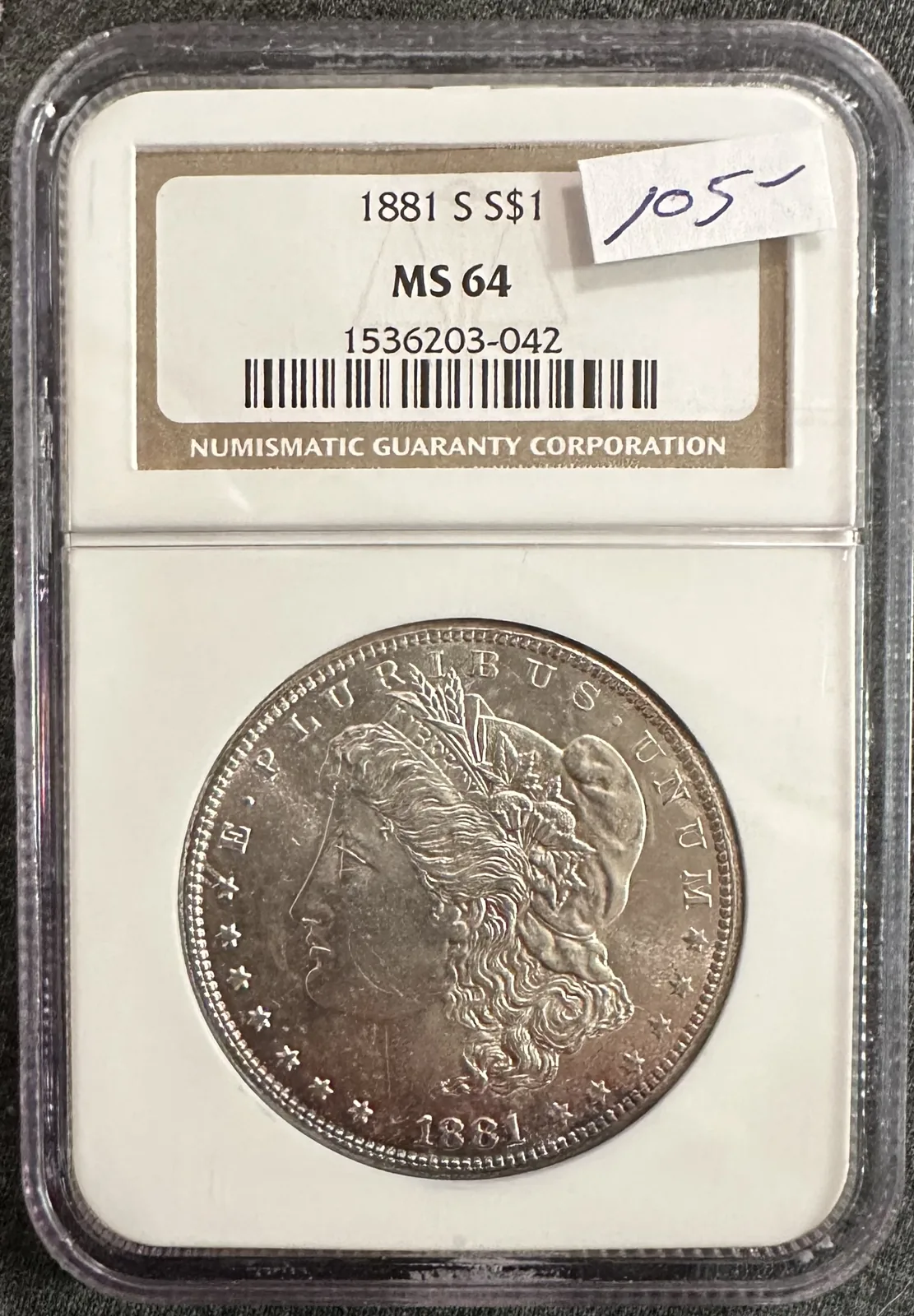
Companies like PCGS (founded in 1986) and NGC (founded in 1987) grade coins and seal them in tamper-evident plastic holders, often called “slabs.” Their grades are widely accepted by buyers and sellers, which makes it easier to trade higher-value coins.
Not every coin needs to be graded. Grading costs money, so it usually only makes sense for coins where the grade has a big impact on value.
A Few Beginner Tips
- Look at the high points. Wear shows up first on the highest parts of the design, like cheeks, hair, and feathers.
- Use good light and a magnifier. A 5x loupe is plenty to start.
- Never clean a coin to “improve” it. Cleaning lowers the grade (or makes the coin ungradable) and hurts the value.
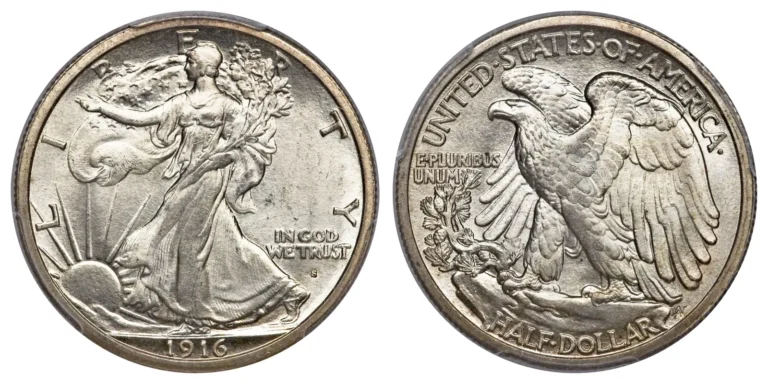
- Compare to graded examples. Photos of slabbed coins are a great way to train your eye.
More guides: should I get my coins graded?, coin collecting terms, how to start collecting.
The Bottom Line
Grading is about one thing: condition. The 1 to 70 scale gives buyers and sellers a common language, and a few points can make a big difference on the right coin. If you’re not sure how your coins grade, an experienced set of eyes can help.
Want to know how your coins grade? JoCo Coin Shop offers honest, no-obligation appraisals across the Kansas City area. Contact me by phone, text, or email to get started.