Commemorative Half Dollars: A Guide to Classic and Modern Commems
Classic U.S. commemorative half dollars (1892 to 1954) are 90% silver and widely collected. Learn their history and what affects their value.
Every so often, someone shows me a half dollar with a design they’ve never seen: a covered wagon, a famous explorer, a state seal. These are commemorative half dollars, special coins made to honor an event, a person, or an anniversary. Many are beautiful, all of the older ones are silver, and some are quite valuable.
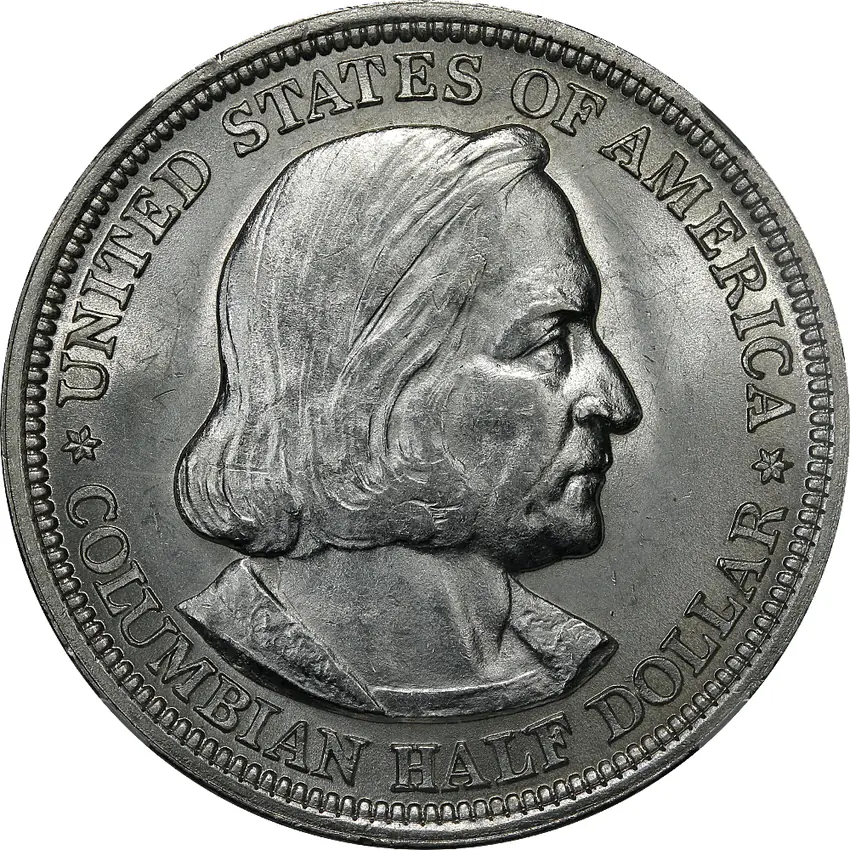
Classic Commemoratives (1892 to 1954)
The first U.S. commemorative half dollar was made for the 1893 World’s Columbian Exposition in Chicago, with coins dated 1892 and 1893. Over the next six decades, the Mint made dozens of commemorative half dollar designs.
- 90% silver, the same as regular half dollars of the time
- Sold above face value by the groups that requested them, to raise money for celebrations and memorials
- Many were made in small numbers, and some unsold coins were returned and melted
- Designs honored state anniversaries, historical events, and famous Americans
- The classic era ended in 1954
There was a big boom in commemoratives in the mid-1930s, with many issues struck at multiple mints.
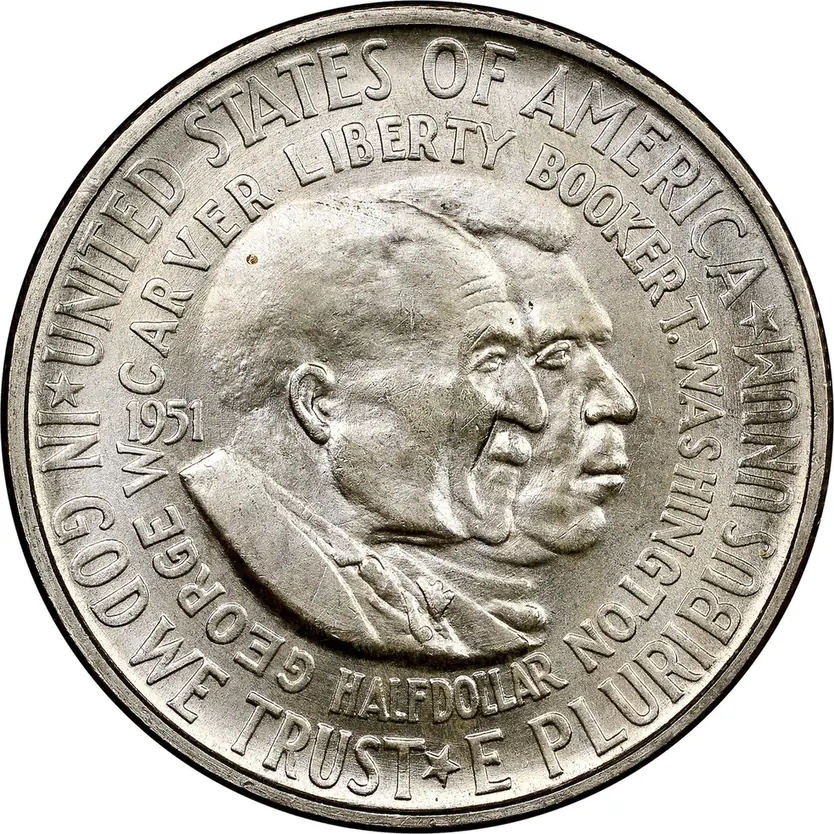
Modern Commemoratives (1982 to Today)
The commemorative program returned in 1982 with a silver half dollar for the 250th anniversary of George Washington’s birth. Since then, the Mint has made commemorative half dollars, silver dollars, and gold coins almost every year. Most modern commemoratives were sold to collectors in proof and uncirculated versions, in Mint packaging.
Many modern commemoratives sell today for close to their metal value, especially the silver dollars. Some lower-mintage issues are worth more.
What Affects the Value of Classic Commemoratives
- The issue: Some designs had tiny mintages and are scarce.
- Condition: Most classic commemoratives were saved, not spent, so collectors expect them to be uncirculated. Worn examples are worth less.
- Original surfaces: Many commemoratives have been cleaned or dipped over the years. Coins with original, untouched surfaces are worth much more.
- Sets: Some issues were made at several mints in the same year and are collected as sets.
Don’t Clean Them
Classic commemoratives often have beautiful natural toning. Cleaning removes it, leaves hairlines, and can cut the value dramatically.
More guides: Walking Liberty halves, Franklin halves, Bicentennial coins.
The Bottom Line
Classic commemorative half dollars from 1892 to 1954 are 90% silver and widely collected, with values depending on the issue and condition. Modern commemoratives are popular too, though many trade close to their metal value. If you have an unfamiliar half dollar, it’s worth a closer look.
Have commemorative coins? JoCo Coin Shop offers honest, no-obligation appraisals across the Kansas City area. Contact me by phone, text, or email to get started.