How to Store Coins Safely: Holders, Albums, and What to Avoid
The wrong holder can ruin a coin. Learn the safest ways to store coins, why old soft plastic flips are a problem, and how to handle coins properly.
How you store coins matters more than most people realize. Coins don’t wear out in a drawer the way they do in a pocket, but the wrong holder, the wrong room, or the wrong way of handling them can slowly damage them, and damage lowers value.
Here’s what I recommend, whether you have a few special coins or a whole collection.
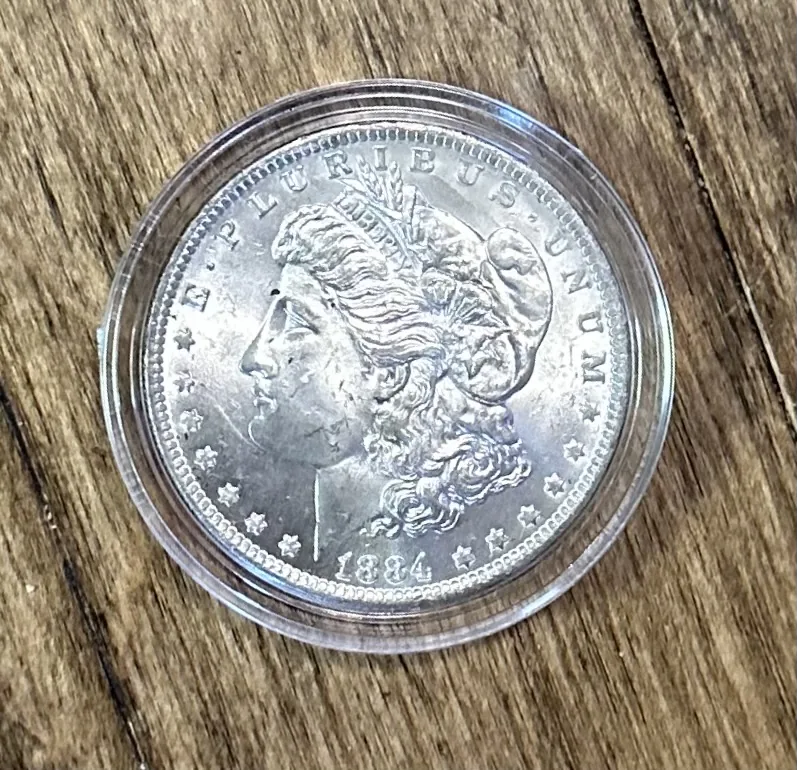
How to Handle Coins
- Hold coins by the edges, between your thumb and finger.
- Don’t touch the faces. The oils and salt on your skin can leave fingerprints that slowly etch into the surface, especially on copper and on proof coins.
- Work over a soft surface, like a towel, in case you drop one.
- Don’t talk or breathe directly over valuable coins. Tiny drops of moisture can leave spots on proof and uncirculated coins. It sounds silly, but it’s real.
Good Choices for Storage
Hard plastic capsules
Round, hard plastic capsules are great for individual coins. They’re inert (they don’t react with the coin), protect against scratches, and are easy to stack in a box.
Cardboard 2×2 holders with Mylar windows
These are the classic cheap holders. They work well, but be careful with staples: they can scratch neighboring coins, and a poorly pressed staple can scratch the coin you’re putting in.
Archival-safe flips
Two-pocket plastic flips are handy, but only use ones labeled PVC-free or archival (often made of Mylar or similar plastics). More on that below.
Albums and folders
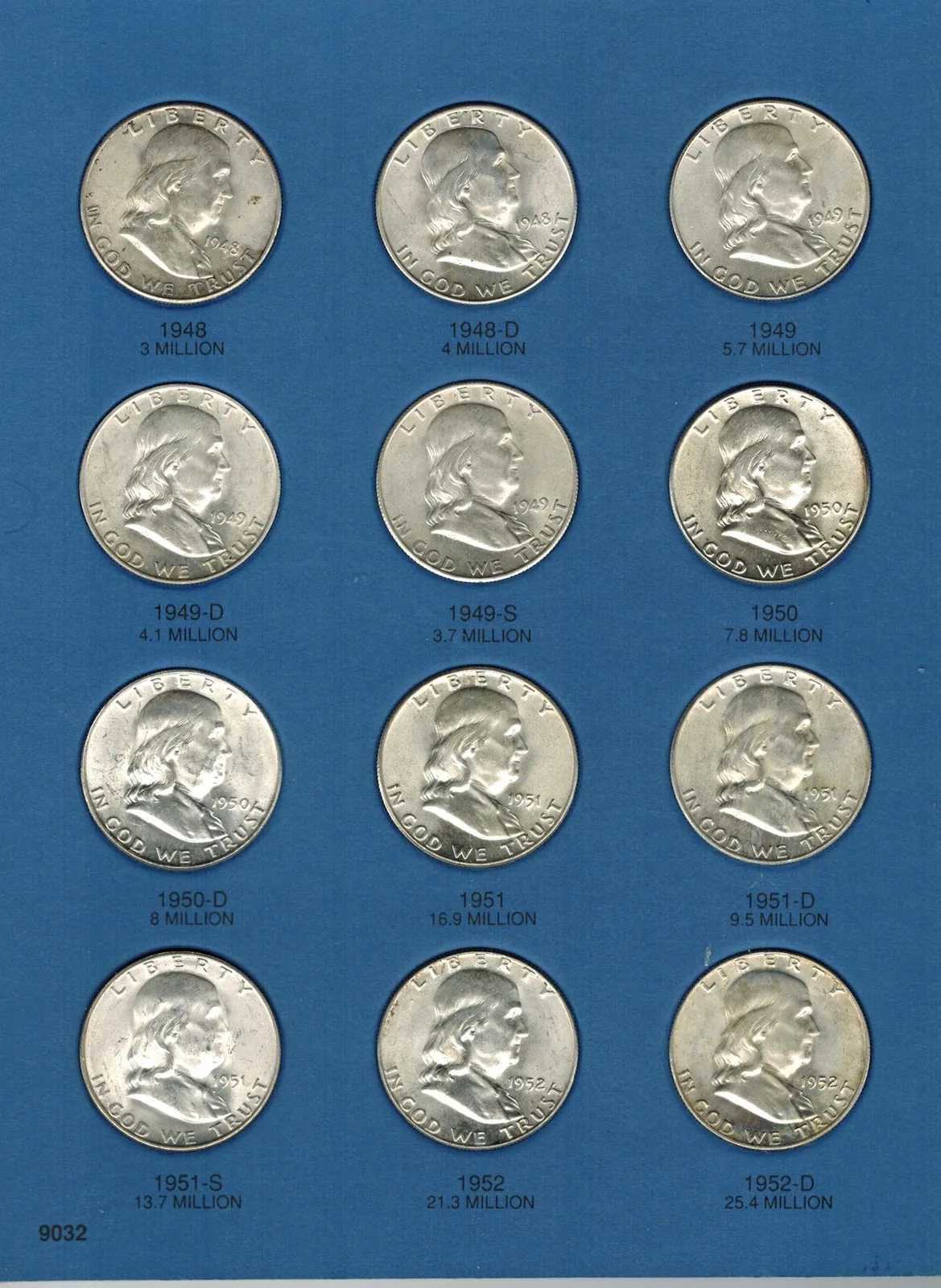
Albums are a nice way to display a set. Just know that some older albums and cardboard folders contain sulfur, which can tone coins over time. Some collectors like that toning; others don’t.
Original packaging and graded holders
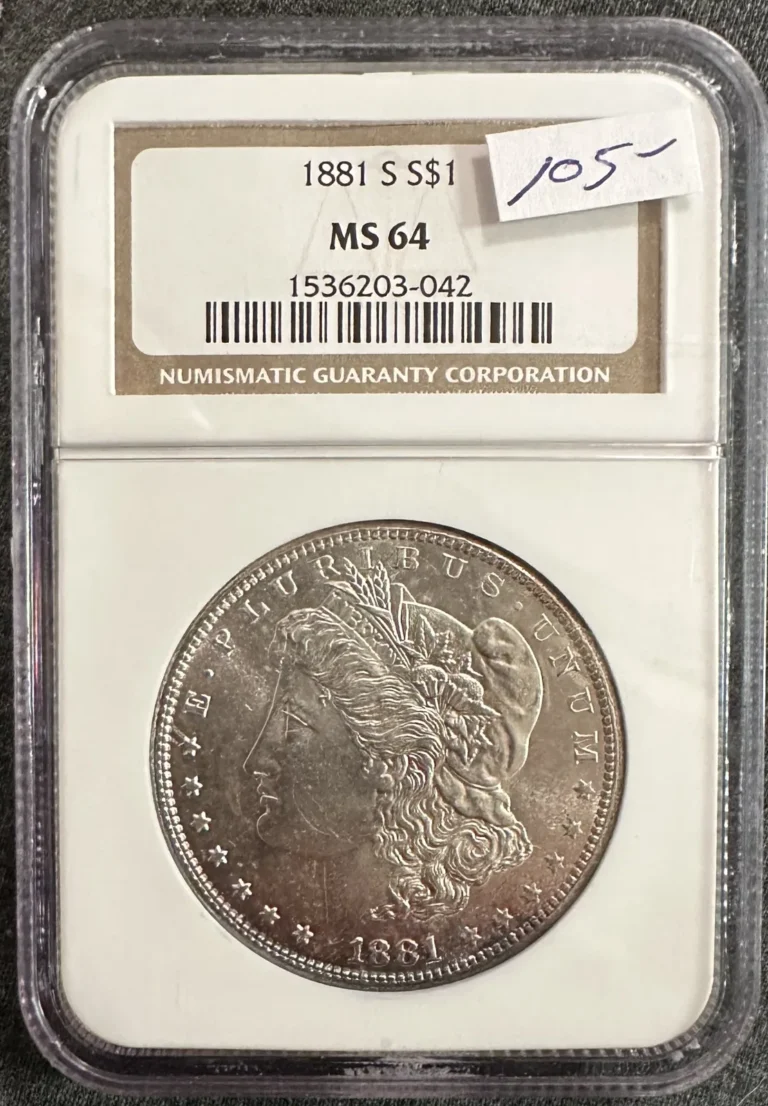
Leave proof sets and mint sets in their original Mint packaging, and leave graded coins in their sealed holders from PCGS or NGC (see should I get my coins graded?).
What to Avoid
Soft vinyl (PVC) flips
This is the big one. Old-style soft, flexible plastic flips often contain PVC. Over time the PVC breaks down and leaves a sticky film, sometimes greenish, on the coin. That residue can damage the surface. If your coins are in soft, oily-feeling flips, move the important ones to safer holders.
Other things to avoid
- Rubber bands (they contain sulfur and can stain coins)
- Paper envelopes that aren’t labeled archival
- Plastic sandwich bags
- Loose coins jumbled together in a jar, where they rub and scratch each other
- Taping coins to cards or paper
Where to Keep Them
- Cool, dry, and steady is best. Avoid basements, attics, garages, and bathrooms.
- Use silica gel packs in a box or safe to absorb moisture, and replace them now and then.
- Keep them out of sight, and don’t post photos of your collection with details about where you live.
- Think about insurance. Many homeowner’s policies have low limits for coins. Ask your agent.
Don’t Clean Them
It’s worth saying again: please don’t clean coins. Cleaning doesn’t preserve them; it damages them. (More in should I clean my coins?) If a coin is in a damaging holder, the fix is a better holder, not cleaning.
The Bottom Line
Handle coins by the edges, store them in inert holders like hard capsules, Mylar 2x2s, or PVC-free flips, and keep them somewhere cool and dry. If you have an old collection in soft vinyl flips, it’s worth moving the best coins into something safer.
Have a collection you’re not sure about? JoCo Coin Shop offers honest, no-obligation appraisals across the Kansas City area. Contact me by phone, text, or email to get started.