1909-S VDB Penny: How to Tell a Real One From a Fake
The 1909-S VDB is the most famous Lincoln cent. How to check the VDB and S mint mark, spot added mint marks and altered dates, and what makes one genuine.
The 1909-S VDB is the most famous Lincoln cent, and for many collectors it’s the coin that completes a wheat penny album. A genuine one is worth a lot even when worn. That’s why it’s also one of the most faked U.S. coins. If you think you have one, here’s what to check.
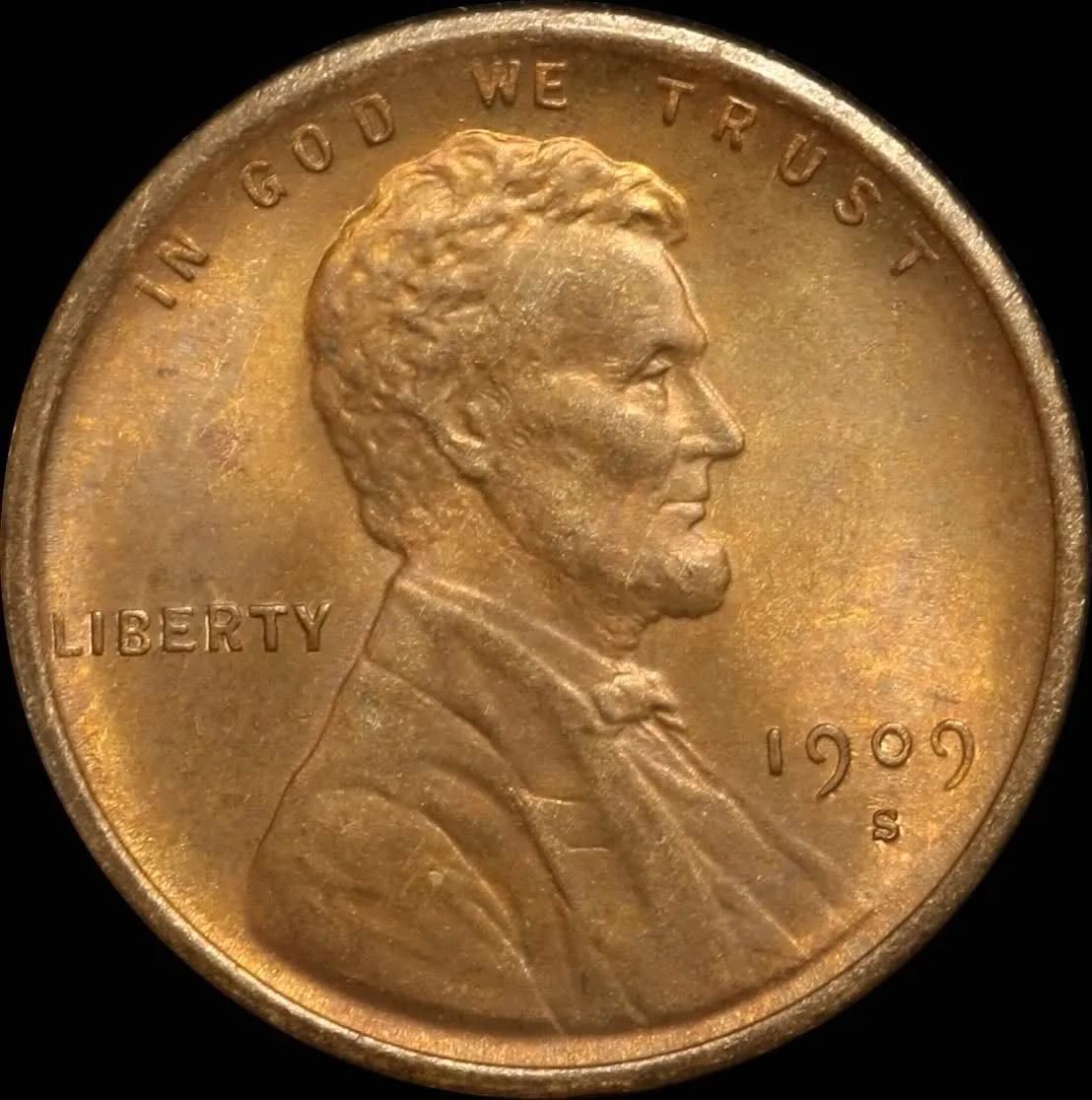
What Makes It Special
The Lincoln cent debuted in 1909, on the 100th anniversary of Lincoln’s birth. The designer, Victor David Brenner, put his initials V.D.B. at the bottom of the back, between the wheat stalks. Some people complained the initials were too big, and the Mint removed them within days.
By then, San Francisco had struck only 484,000 cents with the initials. That small mintage, plus the coin’s place as the first year of the series, made the 1909-S VDB a legend. Brenner’s initials came back in 1918, much smaller, on Lincoln’s shoulder.
The Four 1909 Lincoln Cents
| Coin | Mintage | Rarity |
|---|---|---|
| 1909 VDB (Philadelphia) | About 27.99 million | Common |
| 1909 (no VDB) | About 72.7 million | Common |
| 1909-S (no VDB) | About 1.8 million | Scarce |
| 1909-S VDB | 484,000 | Key date |
A 1909 VDB without an S is a nice coin, but it’s common. The S is what matters, and that’s where the fakes come in.
Check 1: Is the VDB Really There?
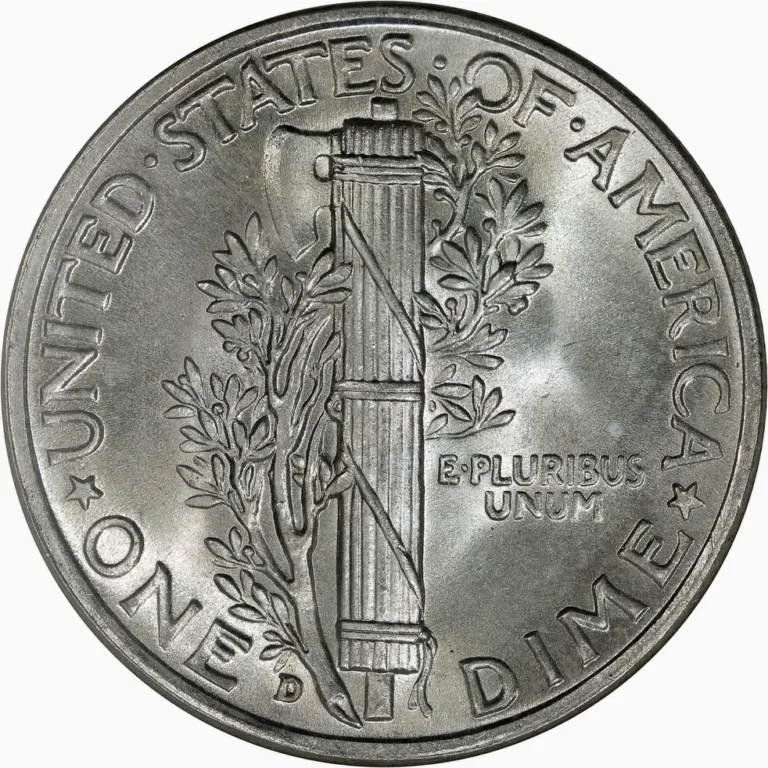
Turn the coin over. The letters V.D.B. should sit at the bottom center, below the wheat stalks and above the rim. On worn coins they can be faint. If there are no initials at all, you may have a 1909-S without VDB, which is still a good coin.
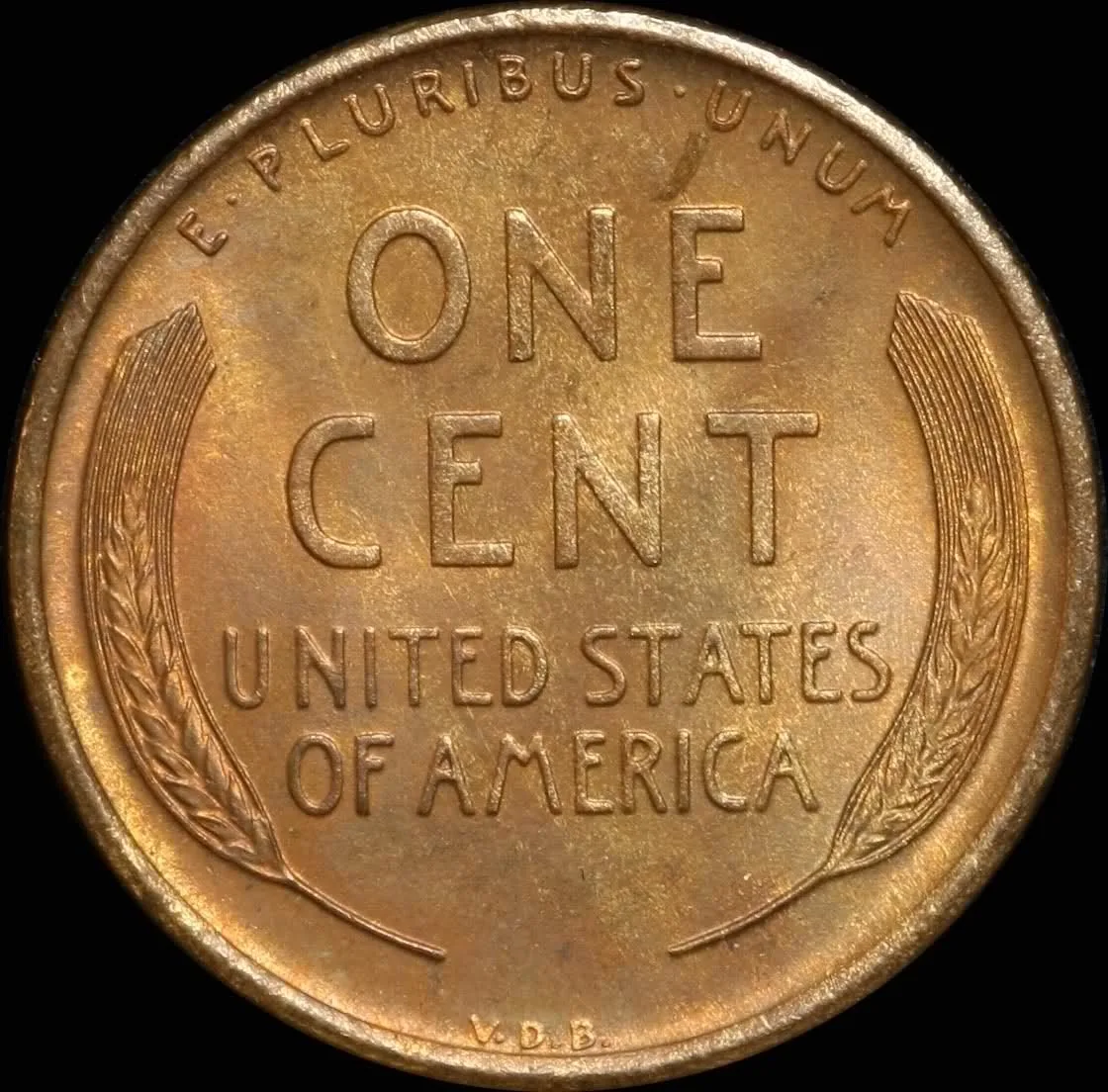
Check 2: The S Mint Mark
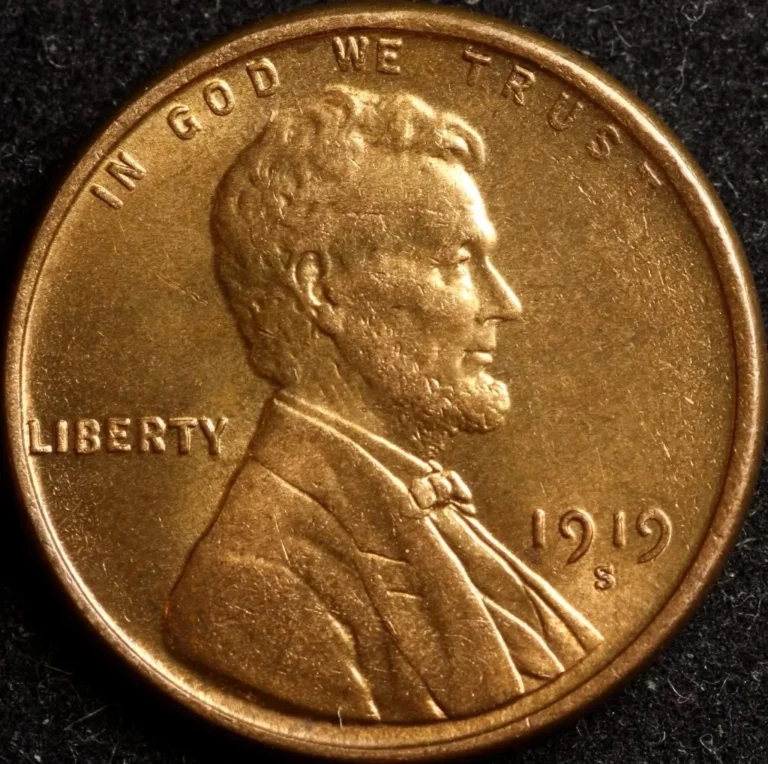
On the front, the S sits below the date. This is where most fakes are made.
Added mint marks are the most common trick. Someone takes a cheap 1909 VDB from Philadelphia and glues, solders or carefully attaches an S taken from another coin. Signs of an added S:
- A thin line or seam around the base of the S
- The S sits at an odd angle or slightly too high or low
- The color or texture around the S is different from the rest of the coin
- Glue residue or tool marks nearby
- The S has the wrong shape. Genuine 1909-S VDB cents used a specific S style that experts know well
You’ll need a 10x magnifier, and good light from the side, to see most of these.
Check 3: Altered Dates and Other Fakes
Less often, a 1909-S cent without VDB has initials added, or a different S-mint date like a 1919-S or 1929-S has its date tooled to read 1909. There are also cast and struck counterfeits made from scratch. These often look a little soft or grainy, have a slightly wrong color, or weigh the wrong amount. A genuine 1909 cent weighs about 3.11 grams.
See added and removed mint marks for more on how these alterations are made.
Why Professional Grading Is Worth It Here
For a coin this valuable and this often faked, an expert opinion is the only safe answer. PCGS and NGC authenticate the mint mark as part of grading, and most buyers won’t pay full price for a raw 1909-S VDB. If you’re buying one, buy it in a PCGS or NGC holder and verify the cert number online. See should I get my coins graded?
Don’t Clean It
Many 1909-S VDBs were found in circulation and are brown or worn. That’s fine. Cleaning one to make it shiny removes its original surface and lowers the value sharply. See should I clean my coins?
The Bottom Line
The 1909-S VDB cent is a real rarity, with only 484,000 made. To be the real thing, it needs the V.D.B. initials on the back and a genuine S below the date. Added mint marks on common 1909 VDB cents are the most common fake. For a coin this valuable, get an expert opinion before you buy or sell.
Think you have a 1909-S VDB? JoCo Coin Shop offers honest, no-obligation appraisals across the Kansas City area. Contact me by phone, text, or email with clear photos of both sides to get started. For other valuable wheat cents, see are wheat pennies worth anything?