Are Wheat Pennies Worth Anything? Key Dates and What to Look For
Most wheat pennies are worth a little over face value, but a few dates are worth a lot. Here's how to check your wheat cents for the key dates.
“Wheat pennies” are some of the most common old coins people bring up when they call me. Nearly everyone has a jar or a coffee can of them somewhere, often saved by a grandparent who pulled them out of change decades ago. So are they worth anything?
The honest answer: most wheat pennies are worth only a little more than face value, but a handful of dates and varieties are worth a lot. Here’s how to tell the difference.
What Is a Wheat Penny?
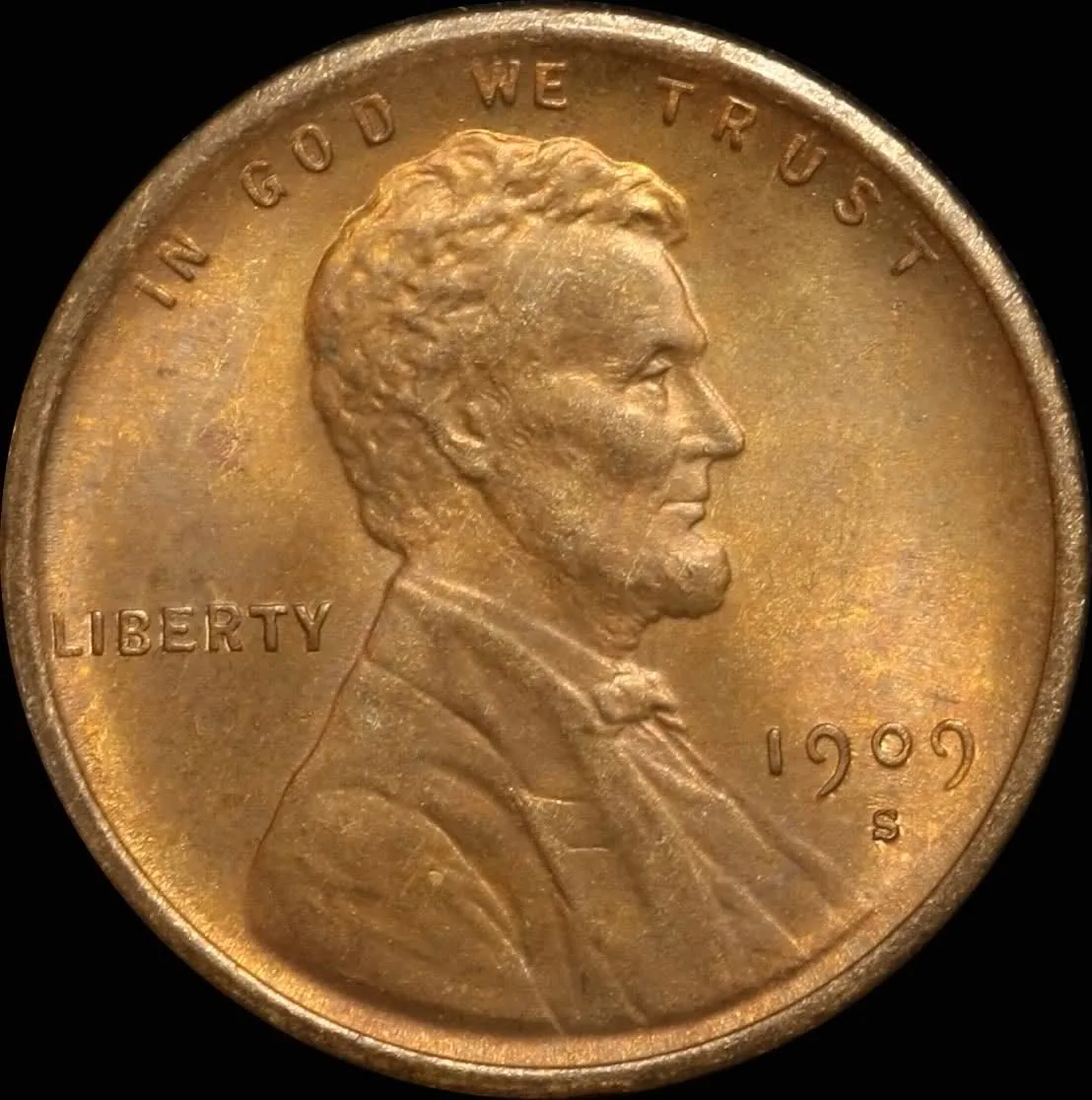
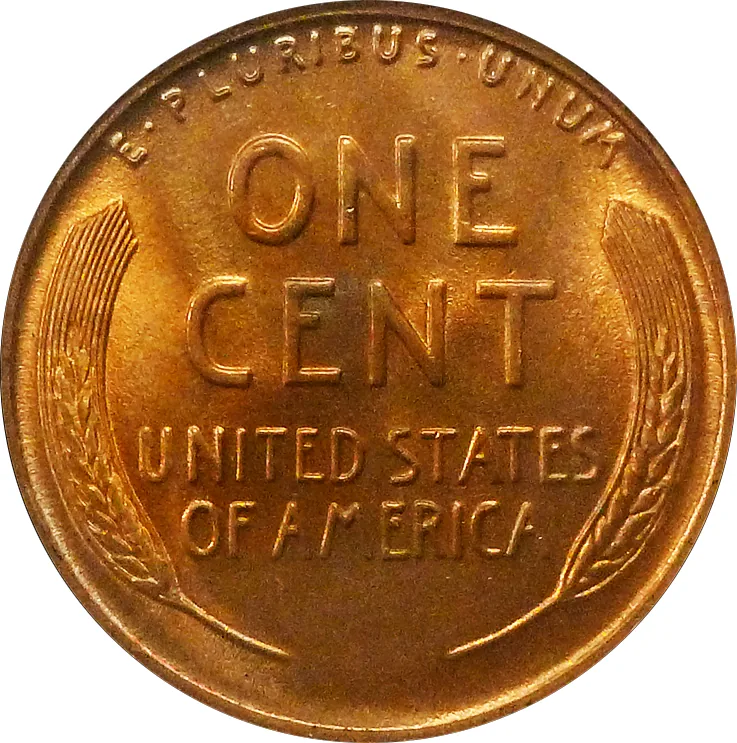
A “wheat penny” (or wheat cent) is a Lincoln cent made from 1909 through 1958. The name comes from the back of the coin, which shows two ears of wheat on either side of the words ONE CENT. In 1959, the Mint replaced the wheat ears with the Lincoln Memorial.
Wheat pennies were made at three mints:
- Philadelphia: no mint mark
- Denver: a small D under the date
- San Francisco: a small S under the date
The mint mark matters a lot, because several of the rare dates were made in smaller numbers at Denver or San Francisco.
The Key Dates to Look For
These are the wheat pennies collectors want most. If you find one, set it aside and don’t clean it:
- 1909-S VDB: The most famous wheat penny. “VDB” are the initials of designer Victor David Brenner, found at the bottom of the back of the coin. Only 484,000 were made in San Francisco.
- 1909-S: San Francisco’s other 1909 cent, without the VDB, is also scarce.
- 1914-D: A low-mintage Denver coin and one of the toughest dates in the series.
- 1922 “No D”: All 1922 cents were made in Denver, but some were struck with a worn die that left the D missing. The real ones are valuable, and fakes (with the D removed) are common.
- 1931-S: Another low-mintage San Francisco date.
- 1955 Doubled Die: The date and lettering on the front are strongly doubled. Read my guide to the 1955 doubled die penny.
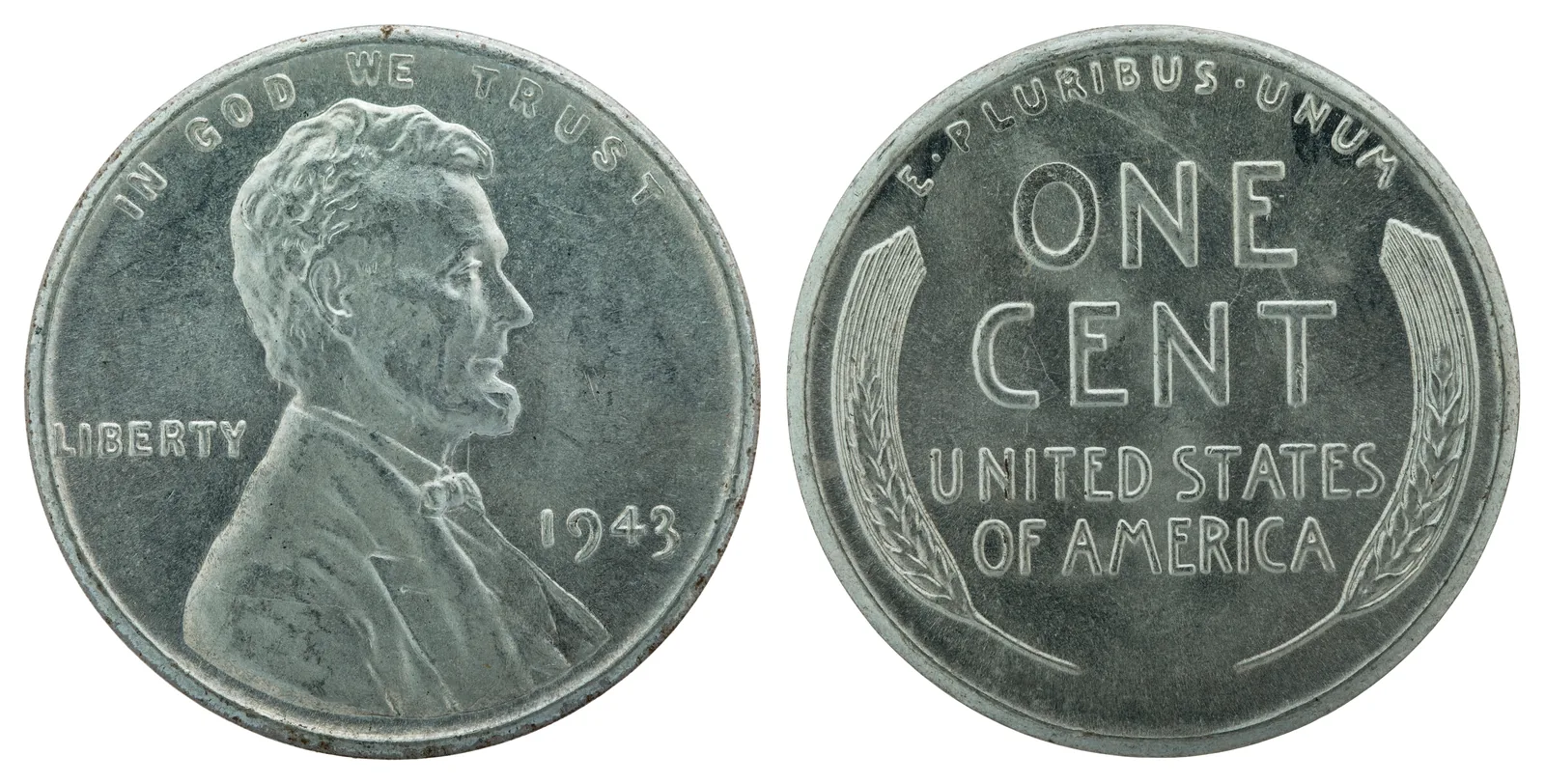
- 1943 copper: In 1943, cents were made of zinc-coated steel to save copper for the war. A tiny number were struck on copper by mistake, and they’re extremely rare. Almost every “copper 1943” turns out to be a plated or altered coin. See my post on 1943 copper penny fakes.
What About the Steel Pennies?
The 1943 steel cents are silver-gray and stick to a magnet. They’re popular with new collectors, but they were made by the hundreds of millions, so worn ones are common. Bright, uncirculated examples are worth more.
Why Condition Matters
Even a common date can be worth more if it’s in excellent condition. A wheat penny that still has its original red copper color and sharp detail is a very different coin from one that’s brown and worn smooth. On the other hand, a key date in worn condition is still a key date.
Whatever you do, don’t clean them. Cleaning leaves scratches and an unnatural color that collectors avoid.
What About the Copper?
Wheat pennies (other than the 1943 steel cents) are mostly copper, so people sometimes ask about their metal value. It’s illegal to melt U.S. pennies, and in practice common wheat cents are bought and sold by the roll or by the bag rather than one at a time.
How to Check a Jar of Wheat Pennies
- Spread them out on a towel in good light.
- Look at the date and the mint mark under the date.
- Pull out any of the key dates listed above.
- Look for 1943 steel cents and anything that looks unusual.
- Leave everything else as it is.
A magnifying glass helps a lot. You don’t need anything fancy.
Want more pennies to search? I sell unsearched bulk pennies straight from coin-counting machines. Call or text me to buy direct.
More guides: Indian Head pennies, Flying Eagle cents.
The Bottom Line
Most wheat pennies are common and worth a small premium over face value, especially in bulk. But the key dates are real, and they still turn up in old jars and collections. A quick look at dates and mint marks is worth the time.
Have a jar of wheat pennies? JoCo Coin Shop offers honest, no-obligation appraisals across the Kansas City area. Contact me by phone, text, or email to get started.