Added and Removed Mint Marks: How Common Coins Get Turned Into Fake Rarities
How fakers add or remove mint marks to turn common coins into key dates like the 1916-D dime and 1909-S VDB, and the warning signs to look for.
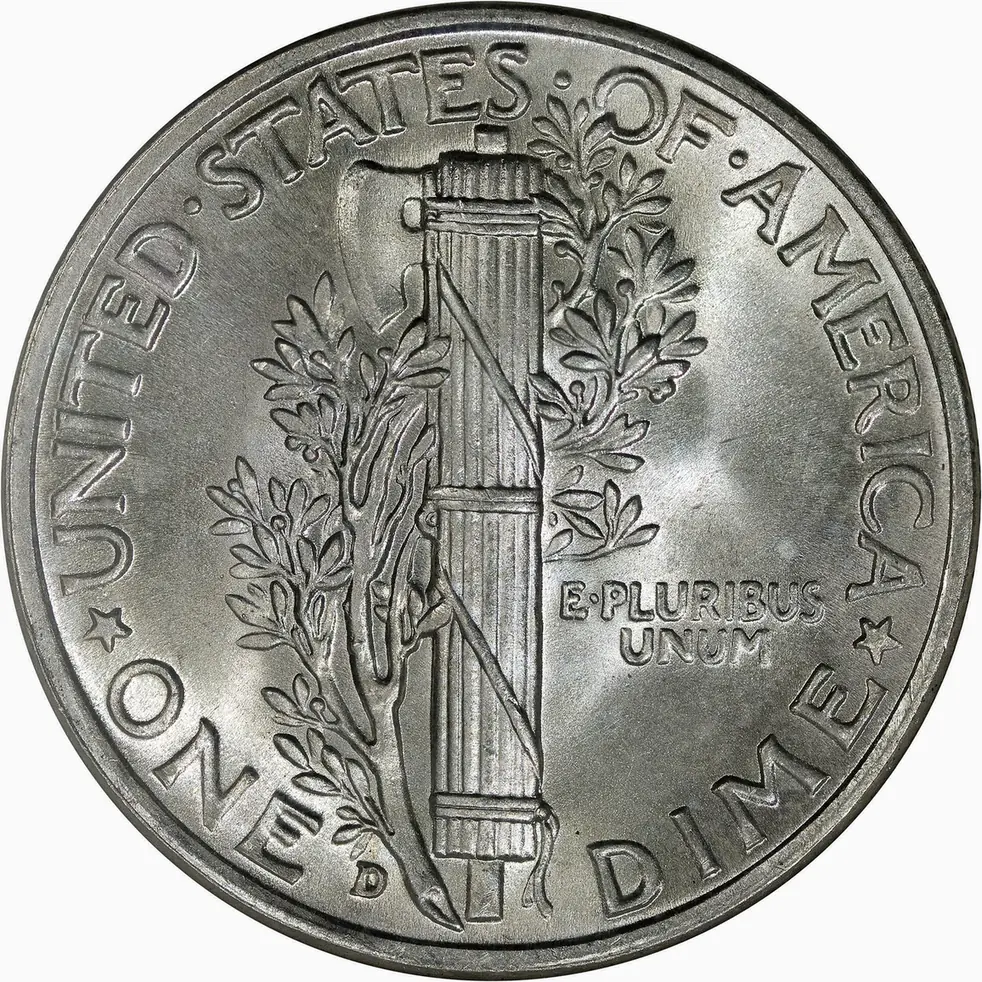
A single letter can be worth thousands of dollars. A 1916 Mercury dime from Philadelphia is a common coin, but a 1916-D is one of the great rarities of the 20th century. The only difference is a tiny D on the back. That’s why some of the most common fakes aren’t fake coins at all. They’re real coins with a mint mark added or removed.
Which Coins Get Altered?
Fakers pick coins where a common version and a rare version share the same date, and the only difference is the mint mark.
Mint marks added:
- 1916-D Mercury dime (from a common 1916)
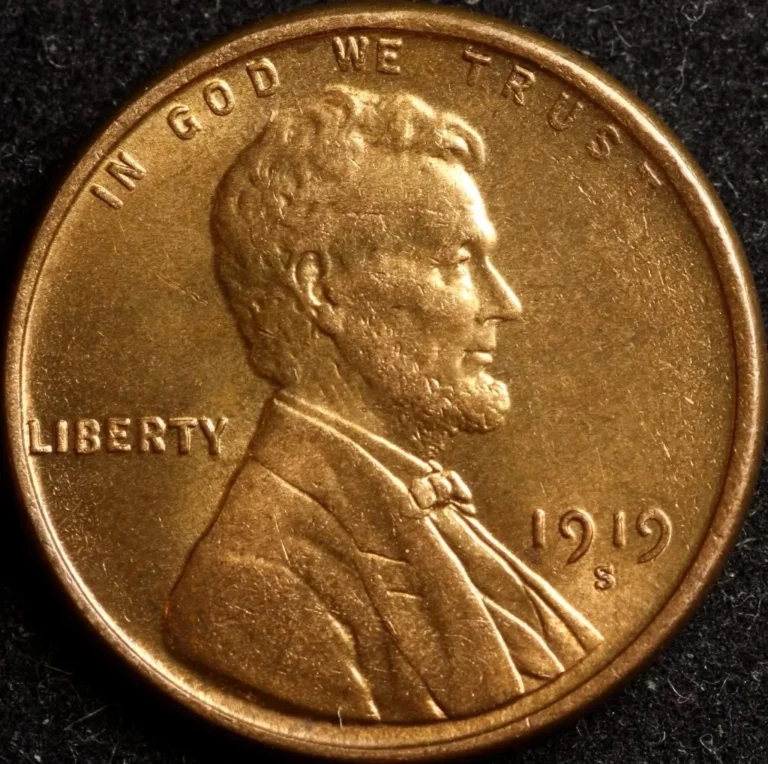
- 1909-S VDB Lincoln cent (from a common 1909 VDB). See 1909-S VDB penny.
- 1914-D Lincoln cent (from a 1914)
- 1931-S Lincoln cent (from a 1931)
- 1893-S Morgan dollar (from an 1893). See Morgan dollar key dates.
- 1932-D and 1932-S Washington quarters (from a 1932)
Mint marks removed:
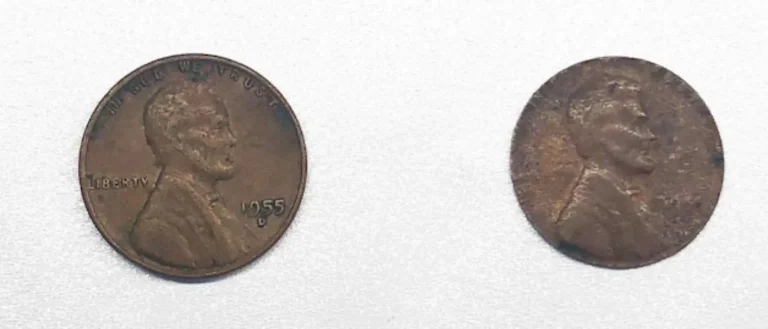
- 1922 “No D” cent (from a 1922-D). See 1922 No D penny.
- 1895 Morgan dollar (by removing the O or S from an 1895-O or 1895-S)
How It’s Done
- Glued or soldered on. A mint mark cut from another coin is attached to the surface. This is the most common method.
- Embedded. A small hole is drilled and a mint mark is set into it, then smoothed.
- Pushed up. Metal from the field is pushed up with a tool to form a letter. This is harder and rarer.
- Scraped off. For removed mint marks, the letter is cut, scraped or polished away.
Warning Signs Under a Magnifier
Use a 10x loupe and light from one side. Look for:
- A seam or line around the base of the mint mark
- Glue residue, a slight shine or a different color right at the mint mark
- A mint mark that’s tilted, too high or low, or in the wrong spot for that date
- A mint mark with the wrong shape. Mint mark styles changed over the years, and experts know which style belongs on each key date
- Tool marks or tiny scratches in the field near the mint mark
- For removed mint marks: a smooth, scraped or shiny spot where the letter should be, sometimes slightly lower than the field around it
Check the Rest of the Coin Too
Genuine key dates often have specific die markers: small cracks, polish lines or details in the design that show up on every real example from that die. Grading companies use these. A coin with the right mint mark but none of the right die markers is a red flag.
Also, wear should be consistent. If the coin is well worn but the mint mark is crisp and sharp, something’s wrong.
Why Buying Graded Makes Sense
For the coins on this list, buy only examples graded by PCGS or NGC, and verify the certification number online. Their graders check mint marks and die markers as part of authentication. Raw (ungraded) key dates sold at a discount are where most altered coins end up. See should I get my coins graded?
Is an Altered Coin Worth Anything?
As a collector coin, no. Once a mint mark has been added or removed, the coin is considered altered, and PCGS and NGC won’t grade it as genuine. At best it’s worth what the original common coin was worth damaged, and for many altered cents and dimes that’s very little.
The Bottom Line
Adding or removing a mint mark is one of the most common ways to fake a key date. The 1916-D dime, 1909-S VDB and 1914-D cents, 1893-S dollar, 1932-D and S quarters, and the 1922 No D cent are favorite targets. Look for seams, glue, tool marks and wrong styles under a magnifier, and buy expensive key dates only in PCGS or NGC holders. Altered coins have no collector value.
Not sure about a mint mark? To be upfront: JoCo Coin Shop does not buy altered coins. But if you can’t tell whether your key date is genuine, I’m happy to take a look with an honest appraisal in the Kansas City area. Contact me by phone, text, or email to get started. See also where is the mint mark?