Acid Dips and Parking Lots: The Ugly Truth About “Thin Planchet” Nickels
Is your wafer-thin penny or nickel a rare thin-planchet error, or was it soaked in acid? Learn how to tell chemical damage from genuine mint errors.
Every now and then, you might pull a nickel, dime, or penny out of change that immediately feels wrong in your hand. It feels light as a feather, the edge is razor-thin, and the portrait looks ghostly and sunken.
If you look up “thin coin error” online, you will find auction records for genuine rolled-thin planchet errors selling for healthy premiums. Naturally, anyone holding a wafer-thin coin hopes they have found one of those rare mint mistakes. However, nine times out of ten, a thin coin has suffered a harsh chemical bath outside the Mint—most commonly known as an “acid job.”
How Genuine Thin Planchets Happen at the Mint
To spot a fake, it helps to understand how the U.S. Mint prepares metal strips for coining. Before blanks are punched out, giant coils of metal alloy are fed through heavy industrial rollers to squeeze the strip down to an exact thickness—for example, 1.95 millimeters for a Jefferson nickel or 1.75 millimeters for a Washington quarter.
Occasionally, a section of metal strip comes out of the rollers too thin, and the blanks punched from it get struck like any other. Error collectors call these rolled-thin planchets. The error reference site Error-Ref shows a 1974 quarter struck on one that weighs 4.92 grams instead of the normal 5.67 grams.
When the Mint strikes a genuinely thin blank, there simply isn’t enough metal to fill every detail of the dies. This leaves specific, unmistakable traits:
- Light Weight: Any coin struck on a thin blank is underweight, so a gram scale is your first check.
- Soft Spots in the Strike: With less metal to push into the dies, the highest points of the design can come out soft or flat. The rest of the design stays sharp, with crisp letters.
- Normal Diameter: Even though the blank is thin, the punch that cut it out was the standard width. A rolled-thin coin will still have a normal (or very close to normal) diameter.
- Original Mint Luster: The flat fields of the coin will still display crisp, microscopic metal flow lines (cartwheel luster) where the dies contacted the surface.
What a Real Thin Planchet Looks Like
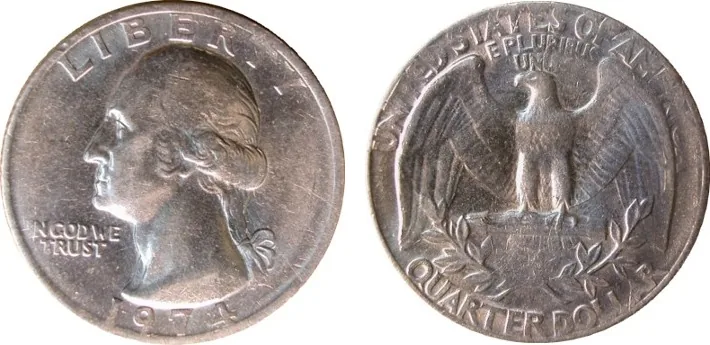
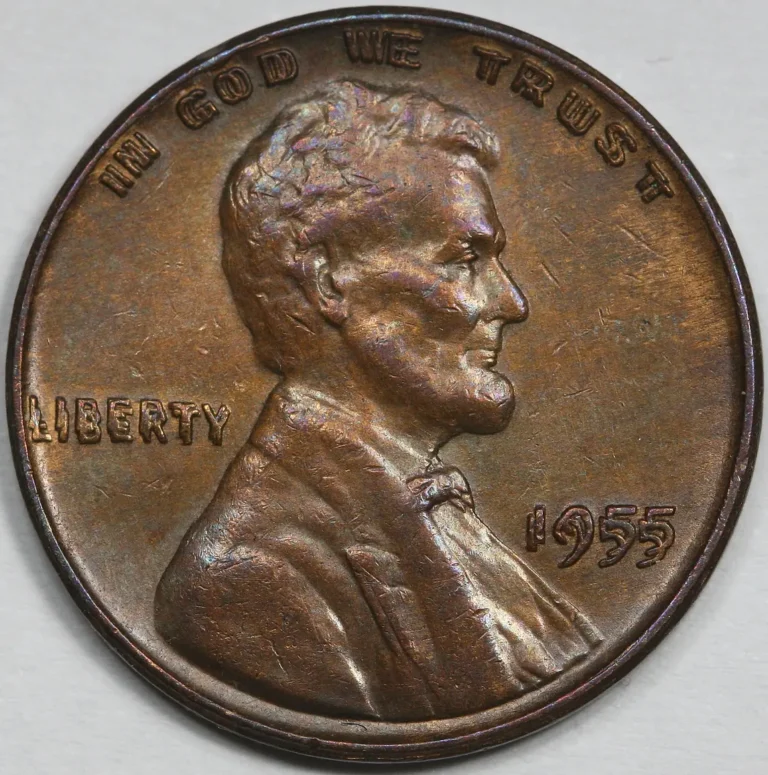
A genuine rolled-thin coin looks like a normal coin that’s been put on a diet. Lay it on a regular coin of the same type and the edges line up all the way around. The lettering is crisp, the surfaces still shine where the coin hasn’t worn, and the only big difference is the weight on the scale.
What Acid Does to a Coin
An acid-soaked coin starts its life as a completely normal, full-weight coin—such as a standard 5.00-gram nickel or 3.11-gram copper cent—that someone drops into nitric acid, muriatic acid, or battery acid. Sometimes this happens in a school chemistry class, and other times people soak dateless Buffalo nickels in acid hoping to eat away enough surface metal to reveal a worn-off date.
Unlike a mechanical rolling mill, liquid acid attacks the entire coin at once—both the faces and the outer edge.
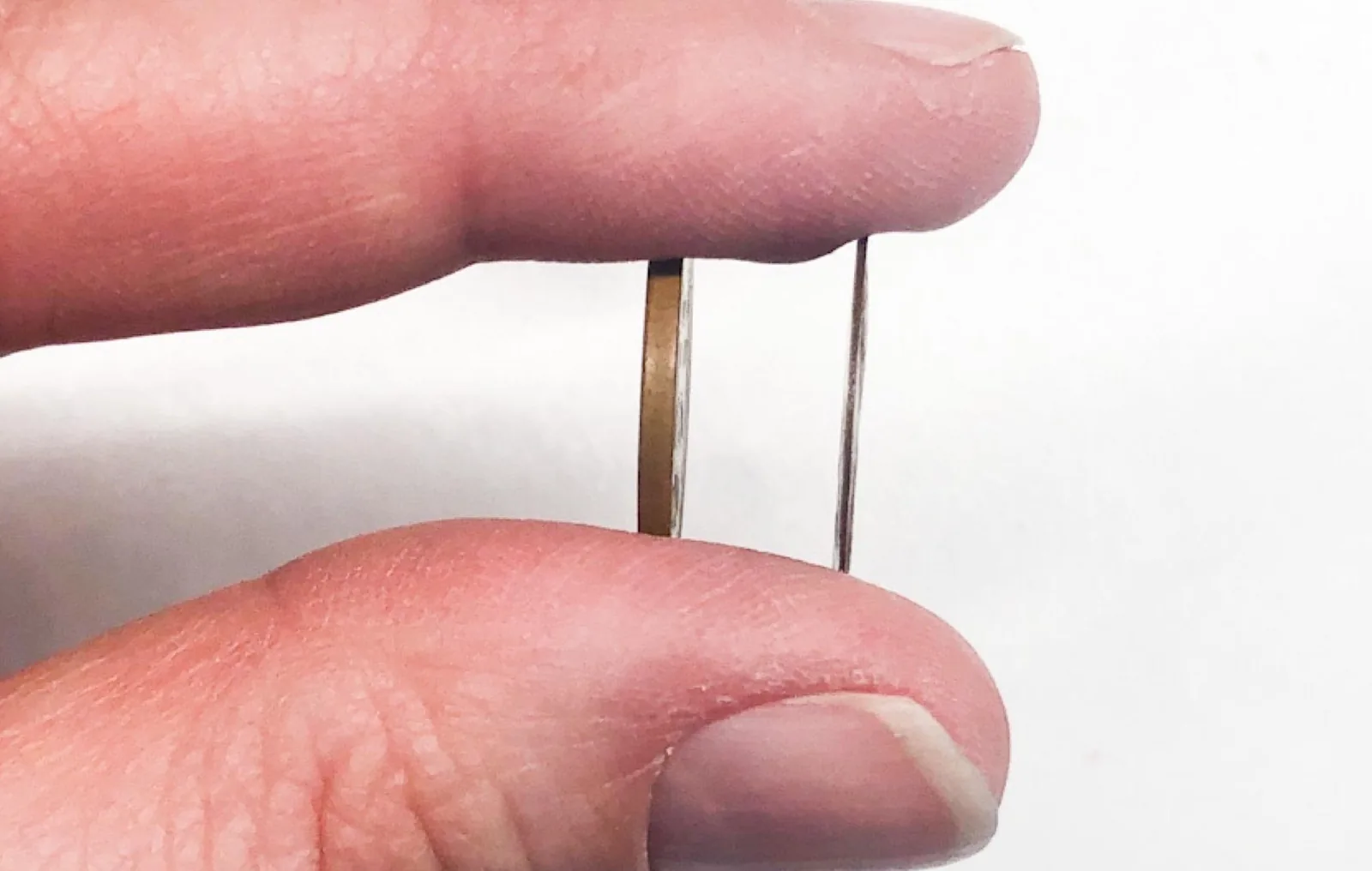
Here is the physical fingerprint of chemical stripping, using the signs Error-Ref lists for acid-shrunk coins:
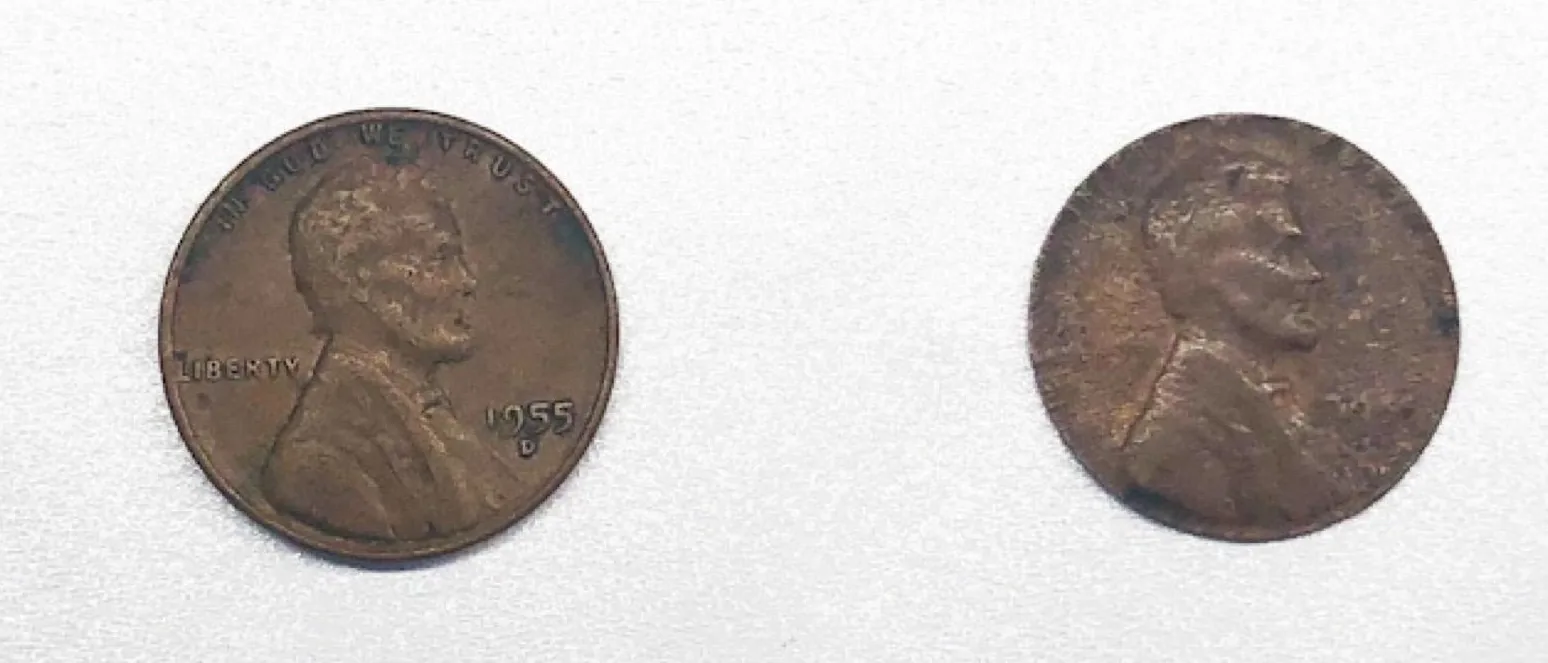
- Shrunken Diameter: Because acid dissolves metal around the perimeter just as fast as it dissolves the flat surfaces, an acid-treated coin is noticeably smaller in diameter than a normal coin. If you lay it on top of a regular coin of the same denomination, you will see a gap all the way around. Error-Ref’s example is a 1958-D cent that shrank to 18.08 mm across (a normal cent is 19.05 mm) and weighs just 1.6 grams instead of 3.1.
- Mushy, Porous Surfaces: Acid eats away the sharp corners of letters and numbers first. Instead of the flat, localized weakness seen on a genuine thin planchet, every letter and portrait detail looks uniformly melted, rounded, and blurry. Under a 10x loupe, the metal looks pitted or orange-peel textured, with zero original mint luster.
- Eaten-Out Edges: On a clad dime or quarter, acid often eats into the pure copper core faster than the outer copper-nickel layers, because copper reacts faster to many acids than the nickel alloy does. The result is a groove around the edge or a dark, recessed middle layer.
What About “Texas Cents” and Parking Lot Damage?
Not every thin coin got that way from acid. Two other culprits show up at the counter regularly:
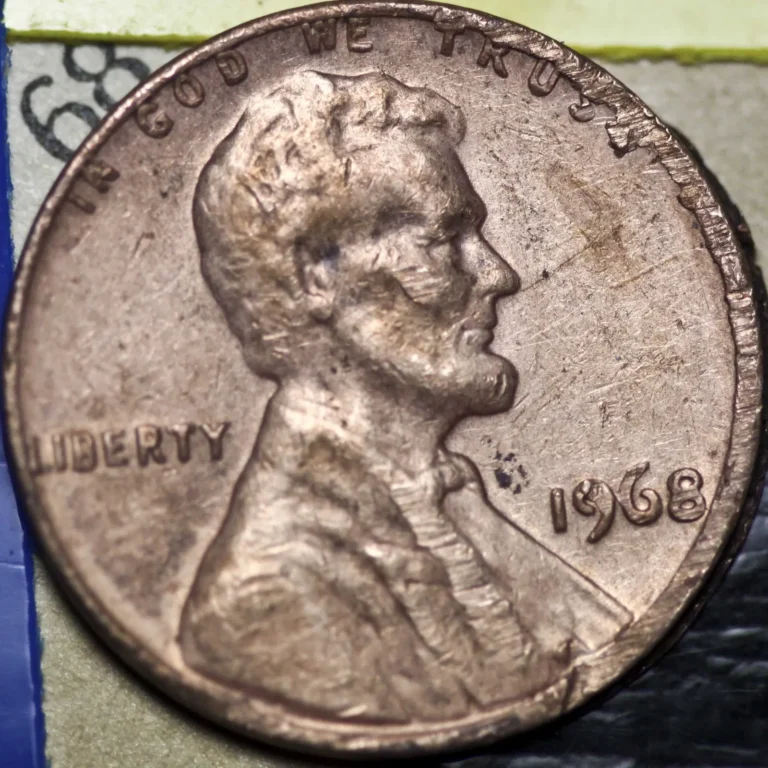
- Parking lot coins: A coin that spends months on asphalt, getting run over by tires against coarse gravel, is slowly ground down. These look thin and worn, with deep scratches and gouges across both sides.
- “Texas cents”: An old novelty trick (“everything’s bigger in Texas”) where someone sandwiches a cent between pieces of leather and pounds it with a hammer. The leather protects the design, so the coin can look surprisingly normal at a glance, but it ends up thinner and noticeably wider than a regular cent, sometimes close to the size of a nickel.
Neither one is a mint error, and a coin that’s wider than normal can’t be a thin planchet.
More real-or-damage guides: fake 1943 copper pennies, dryer coins, two-headed coins, vise jobs, and the “In Cod We Trust” quarter.
More guides: the 1955 doubled die penny, Confederate money.
The bottom line
You do not need an expensive microscope to separate an acid coin from a real rolled-thin error. Simply stack your coin on top of a normal coin of the same type. If your thin coin has a smaller diameter, uniform “melted” lettering, and a porous, dull gray or chalky copper texture, it has been chemically stripped. Acid-damaged coins have no collector value. At most they’re worth face value, and many coin machines won’t even accept them.
Not sure what you have? To be upfront: JoCo Coin Shop does not buy acid-damaged or other post-mint-damaged coins. But if you can’t tell whether your coin is damaged or a genuine mint error, we’re happy to take a look with an honest appraisal in the Kansas City area. Contact us by phone, text, or email to get started.