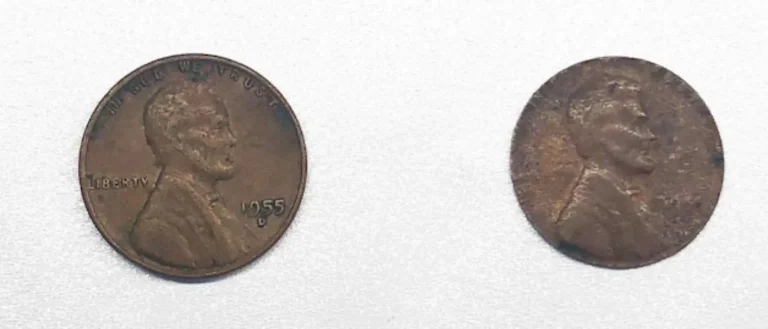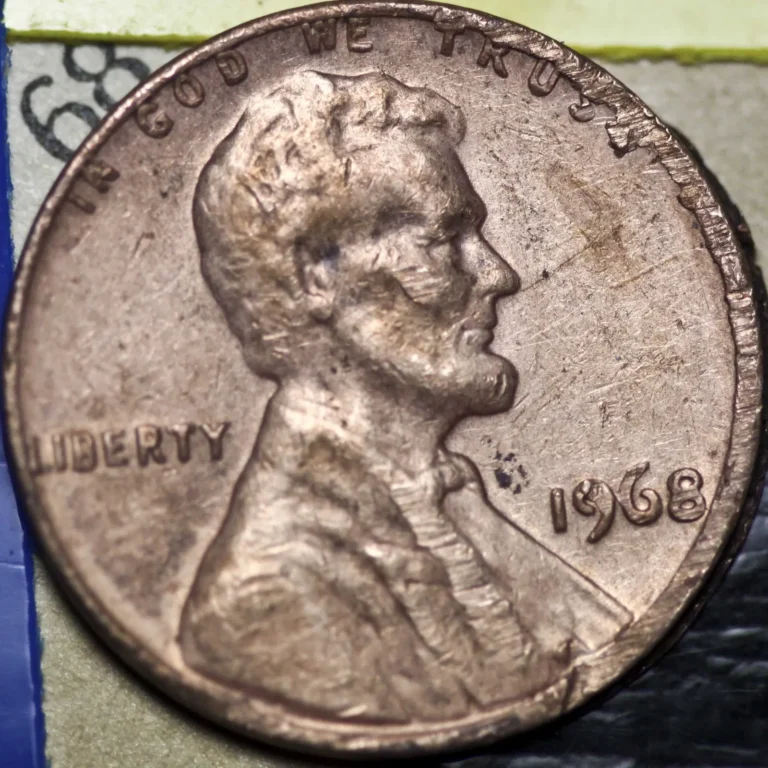
Why Your 1943 Copper Penny Probably Isn’t Copper: 3 Fakes and How to Spot Them
Think you found a million-dollar 1943 copper penny? Learn the 5-second magnet and weight tests to spot re-plated steel cents and altered dates.
Few coins are as famous, or as often faked, as the 1943 copper wheat penny. Almost everyone has heard the legend: during World War II, the U.S. Mint switched from copper to steel to save ammunition metal, accidentally striking just a tiny handful of 1943 pennies in bronze worth hundreds of thousands of dollars.
So when someone opens an inherited cigar box or coffee can and spots a shiny, copper-colored penny clearly dated 1943, their heart understandably skips a beat.
While genuine 1943 bronze cents do exist, the overwhelming majority of copper-colored 1943 pennies out in the wild are copper-plated steel cents, altered-date 1948 cents, or modern counterfeits. Fortunately, you can test yours at home in less than ten seconds without harming the coin.
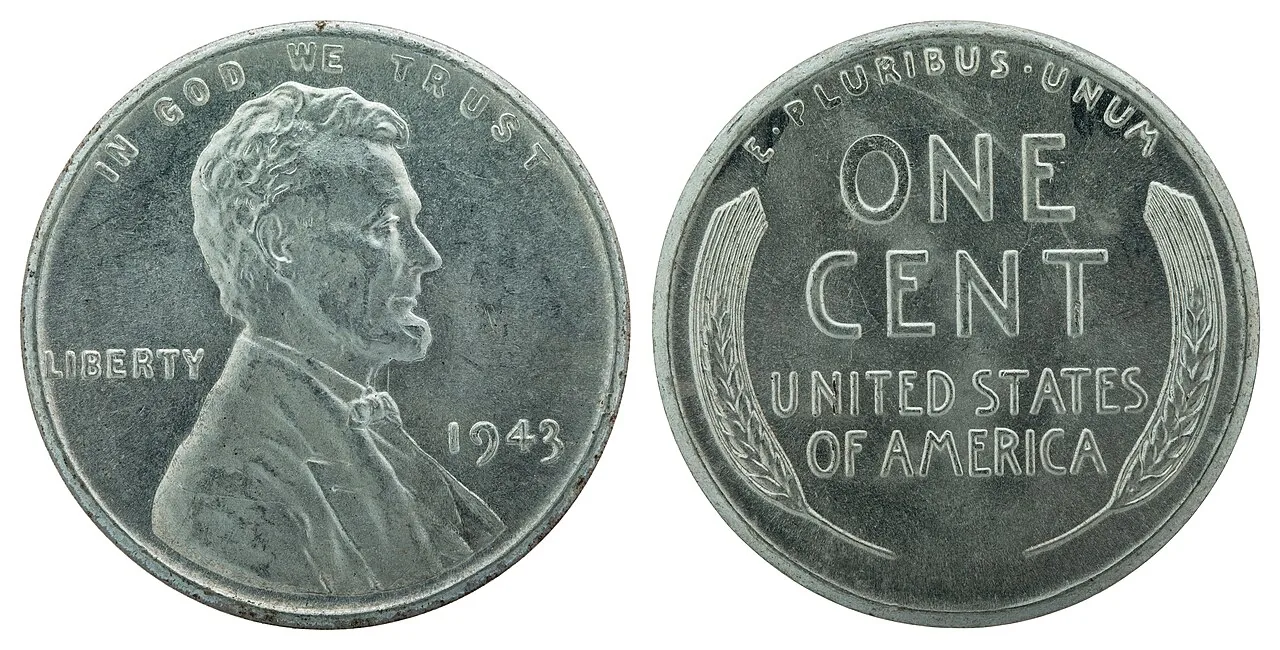
Why Was the 1943 Penny Made of Steel?
In 1942, the United States military needed massive quantities of copper for shell casings, communication wire, and wartime equipment. To conserve critical copper supplies, Congress authorized the U.S. Mint to strike 1943 one-cent pieces using low-carbon steel blanks coated with a thin layer of zinc to prevent rusting.
Across the Philadelphia, Denver, and San Francisco mints, over 1.09 billion steel cents were struck in 1943.
However, when the presses switched from 1942 bronze production to 1943 steel production, a few leftover bronze planchets remained wedged inside the hoppers and feed chutes. Those stray bronze blanks were struck with 1943 dies and escaped into circulation. Today, only about two dozen genuine 1943 bronze cents are known across all three mints. Counts vary a bit between researchers, but they are roughly 10 to 17 from Philadelphia, 6 or 7 from San Francisco, and a single 1943-D example from Denver.
Fake #1: The Copper-Plated Steel Cent (And the Magnet Test)
When the 1943 steel cents first entered circulation, the public hated them. Their shiny silver color caused people to mistake them for dimes, and once the thin zinc coating wore down from sweaty fingers, the steel core rusted and turned an ugly dark charcoal gray.
Starting in the late 1940s and continuing for decades, two groups began coating 1943 steel pennies with copper:
- Novelty Makers & Fraudsters: People plated steel cents with a thin wash of copper to sell as novelties or to trick collectors.
- High School Science Classes: Plating a steel penny in a beaker of copper sulfate solution became one of the most popular electrochemistry experiments in American classrooms.
Test 1: The Magnet Check
Because a plated 1943 cent still has a solid steel core underneath that paper-thin layer of copper, it will snap right onto a magnet.
Genuine copper-alloy coins are completely non-magnetic. If your 1943 penny sticks to a refrigerator magnet, you have a 1943 steel cent that was plated after leaving the Mint.
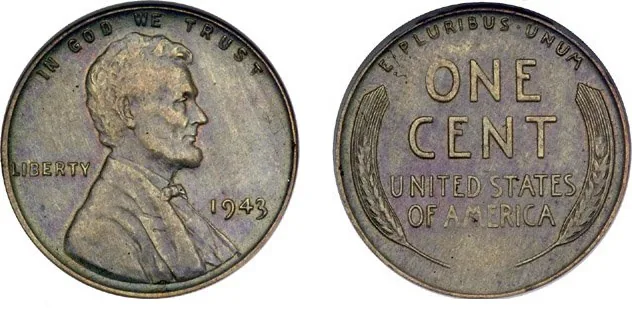
Test 2: The Gram Scale Check
Even without a magnet, a digital scale that reads to a hundredth of a gram (0.01g) tells the story immediately:
- 1943 Steel Cent (even if plated): Weighs approximately 2.70 grams (sometimes 2.60 to 2.75 grams depending on wear or plating thickness).
- Genuine 1943 Bronze Cent: Weighs 3.11 grams.
Fake #2: The Altered 1948 Penny
What if you hold a magnet to your copper 1943 penny and it does not stick, and it weighs right around 3.11 grams?
Before celebrating, grab a magnifying glass and look closely at the number 3 in the date. Because a 1948 penny is already made of genuine non-magnetic bronze and weighs 3.11 grams, counterfeiters frequently take a common 1948 wheat penny and carefully shave away the left half of the bottom loop of the 8 to make it look like a 3.
Here is how to spot a carved 1948 date:
- Look at the Tail of the 3: On a genuine 1943 cent, the bottom loop of the 3 hangs down low, dropping well below the baseline of the 1, 9, and 4 (just like the 3 on a normal 1943 steel penny).
- The Short “8” Loop: When someone carves an 8 into a 3, the bottom curve sits up high, staying completely level with the bottom of the 4, and the middle horizontal bar of the fake 3 often looks tool-scratched or pinched.
Fake #3: Chinese Cast and Die-Struck Counterfeits
In recent years, inexpensive novelty copies struck on bronze blanks have flooded online marketplaces. While these won’t stick to a magnet, their date numerals look swollen and mushy, the words “COPY” have sometimes been buffed off the reverse, and the rims lack the razor-sharp squared edge of a true U.S. Mint strike.
More real-or-damage guides: dryer coins, two-headed coins, vise jobs, acid-thinned coins, and the “In Cod We Trust” quarter.
The bottom line
Testing a 1943 copper penny is a rite of passage for every collector. Always start with a magnet: if it sticks, it is a plated steel novelty worth a few cents as a curiosity. If it does not stick to a magnet, weighs 3.11 grams, and has a long, sweeping lower tail on the “3” that matches a real steel cent, keep it safe in a protective holder and have a professional numismatist inspect it in person.
Think you have the real thing? To be upfront: JoCo Coin Shop does not buy copper-plated steel cents or altered-date coins. They’re novelties. But if your 1943 cent passes the magnet test, weighs 3.11 grams, and has the correct “3,” I’d be glad to take a look with an honest appraisal in the Kansas City area. Contact me by phone, text, or email to get started.