The “L on the Rim” Penny: Why It Isn’t a Mint Error
Is the L in LIBERTY touching the rim on your penny a rare error? No. Why it happens on older Lincoln cents and what it's really worth.
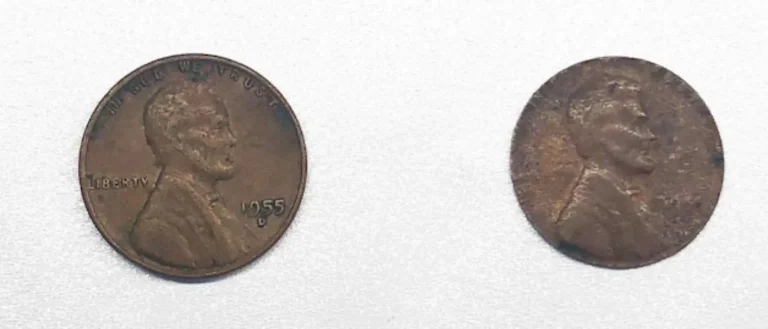
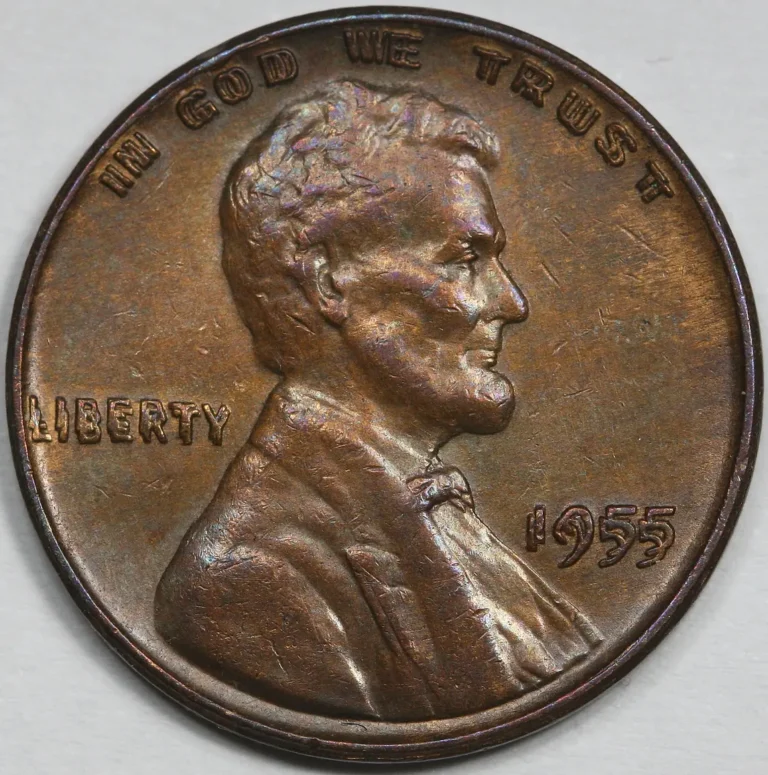
One of the most common “errors” people ask me about is the “L on the rim” penny. Look at the front of an older Lincoln cent, find the word LIBERTY behind Lincoln’s head, and you’ll often see the L touching the rim or running right into it. Online listings call this a rare error and ask hundreds of dollars for it.
The short answer: it’s not an error, and it doesn’t add value. It’s how a huge number of Lincoln cents were made, plus normal wear. Here’s why.
What People Are Seeing
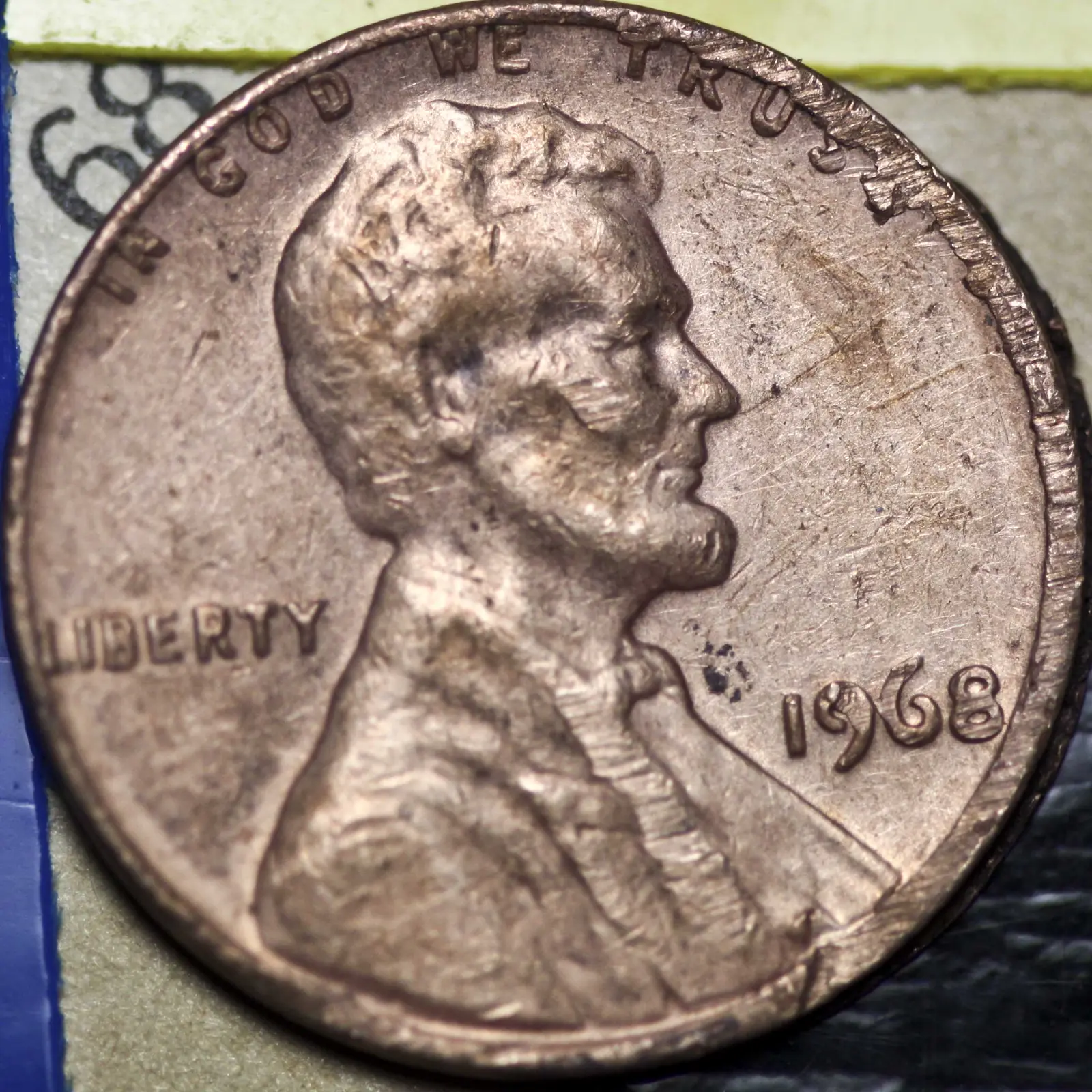
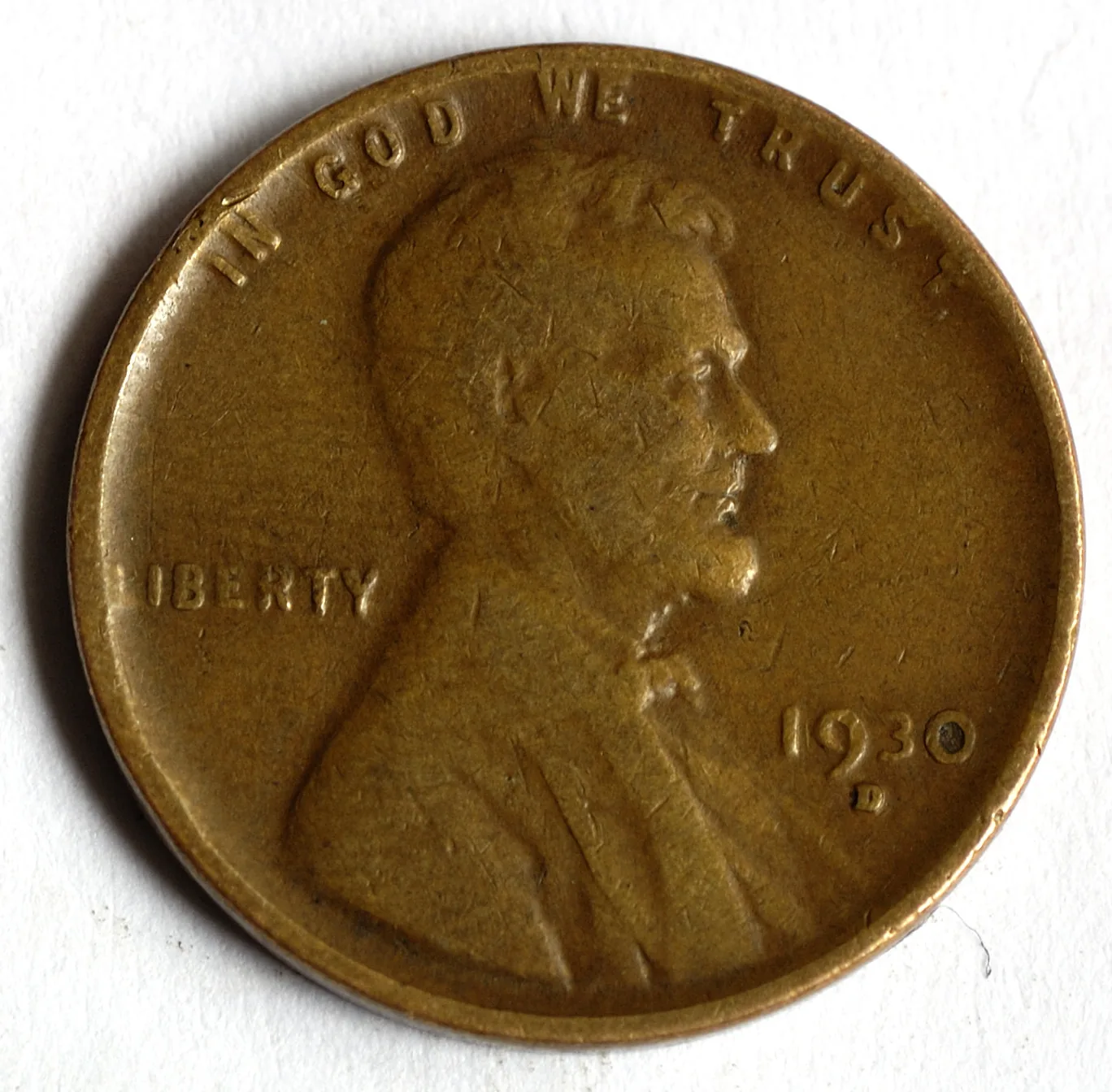
On many Lincoln cents, especially wheat pennies and early Memorial pennies from the 1940s through 1968, the first letter of LIBERTY sits so close to the edge that it looks like it’s sitting “on” the rim. On some coins the bottom of the L seems to merge into the rim completely.
That’s real. You’re not imagining it. It just isn’t a mistake by the Mint.
Why the L Touches the Rim
The design was crowded from the start. LIBERTY was always placed close to the edge on the Lincoln cent. There wasn’t much room between the lettering and the rim.
The tools wore out over decades. Coin dies are made from a master hub, and the Lincoln cent design was used for nearly 60 years. As the master tooling and the dies made from it wore and spread, the lettering crept outward and crowded the rim even more. Millions of cents from those years show it, on every date and every mint.
Circulation finishes the job. A penny that spent years in pockets and cash drawers has a rim that’s worn lower and flatter. Once the rim wears down, the L and the rim blend together and the letter looks like it’s sitting on top of it.
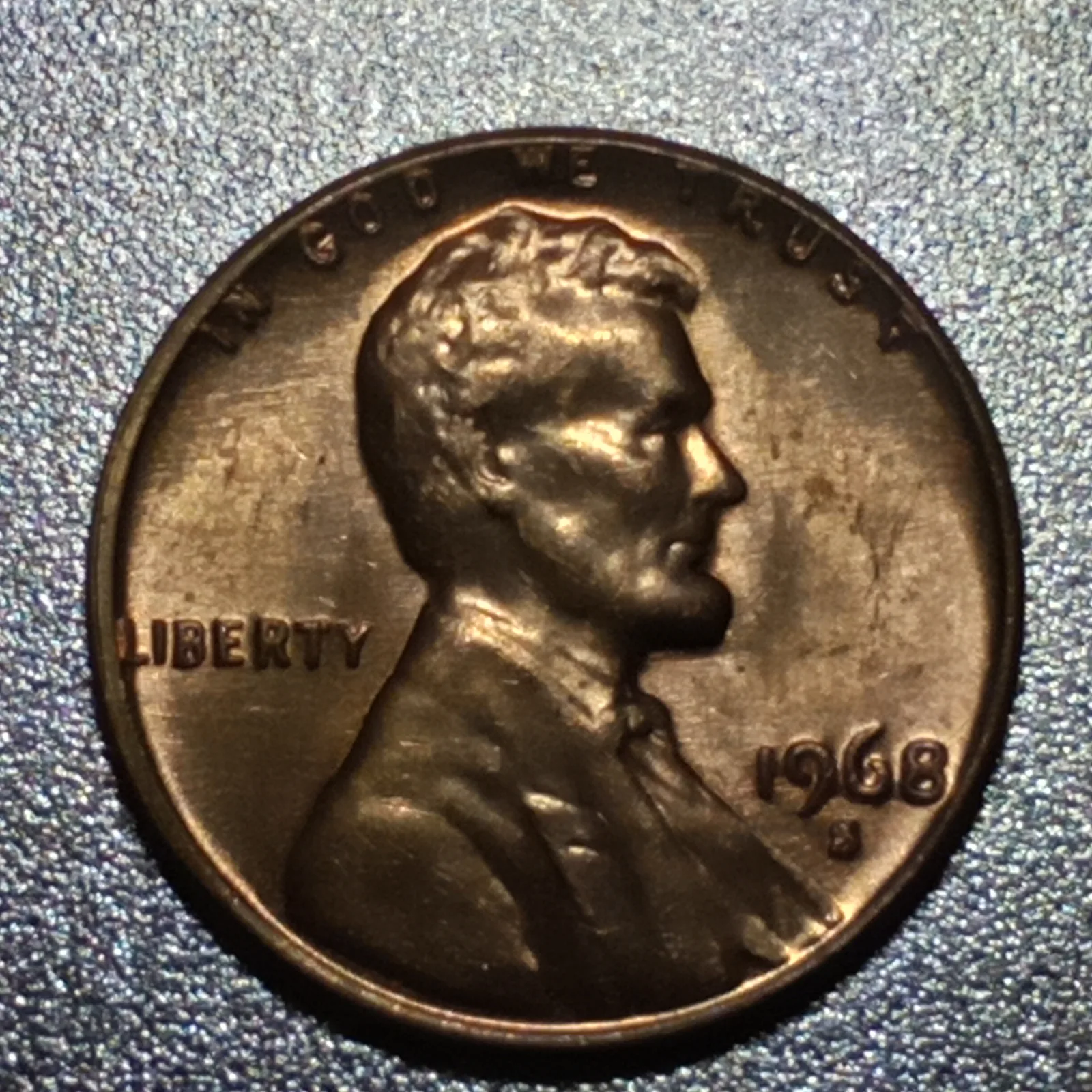
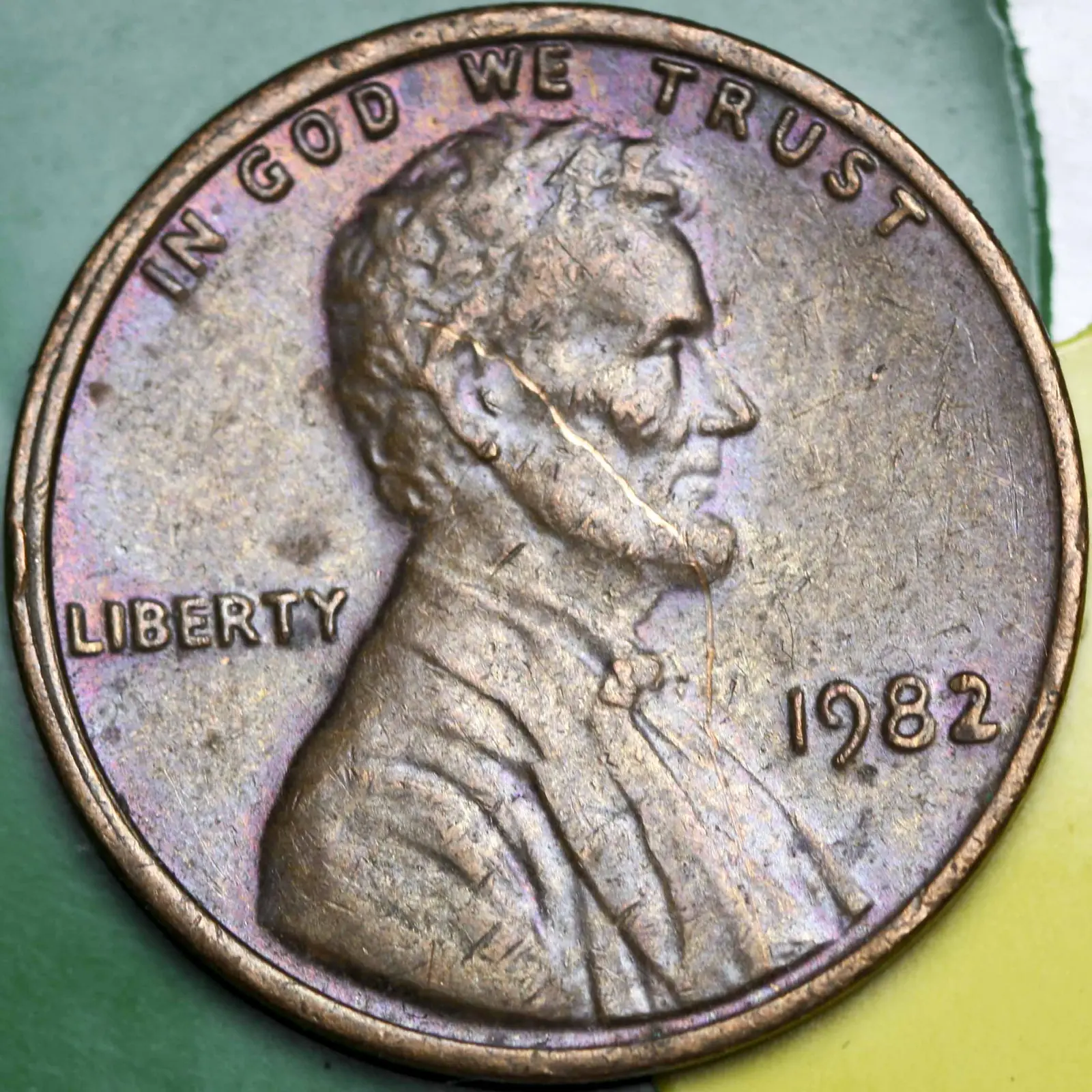
The Mint fixed it in 1969. That year the Mint started using a new master hub with the lettering moved farther in from the rim. That’s why cents from 1969 on usually show a clear gap between the L and the rim, and why the “L on the rim” look is mostly a pre-1969 thing.
Is It Worth Anything?
An “L on the rim” penny is worth the same as any other penny of that date, mint mark, and grade. A common 1957-D wheat penny with the L on the rim is still a common 1957-D wheat penny.
The major grading companies, PCGS and NGC, don’t treat it as a mint error or a variety, so there’s no special label for it and no extra premium. When you see one listed for big money online, remember that an asking price isn’t a sale. Anyone can list a coin for any price. Plenty of buyers have overpaid for these because the listing said “rare error.”
Real Errors Worth Looking For Instead
If you’re going through old pennies, here’s where the real money is:
- Key dates and varieties. Coins like the 1909-S VDB, 1914-D, and 1931-S wheat pennies. See Are Wheat Pennies Worth Anything?
- Doubled dies. Strong, clear doubling in the date and lettering, like the 1955 doubled die penny.
- Off-center strikes. The design is shifted and part of the coin is blank. These are real mint errors. See Off-Center Coins.
- Wrong metal. A genuine 1943 bronze cent is famous, but most are fakes. See Why Your 1943 Copper Penny Probably Isn’t Copper.
A good rule: if the “error” shows up on a lot of coins from the same era, it’s almost always normal wear, die wear, or damage, not a rare mistake.
More real-or-damage guides: 1982 pennies, copper or zinc, and the “In Cod We Trust” quarter.
The Bottom Line
The L in LIBERTY touching the rim is normal on older Lincoln cents. It comes from a crowded design, worn-out tooling, and years of circulation, and the Mint moved the lettering in starting in 1969. It isn’t a mint error, and it doesn’t make a penny worth more than its date and condition already do.
Not sure about a coin? I’m happy to take a look. JoCo Coin Shop offers honest, no-obligation appraisals across the Kansas City area. Contact me by phone, text, or email to get started.