Are Old Foreign Coins Worth Anything? What to Look For
Most leftover travel coins are worth little, but older foreign silver and gold coins can be valuable. Here's how to sort a jar of world coins.
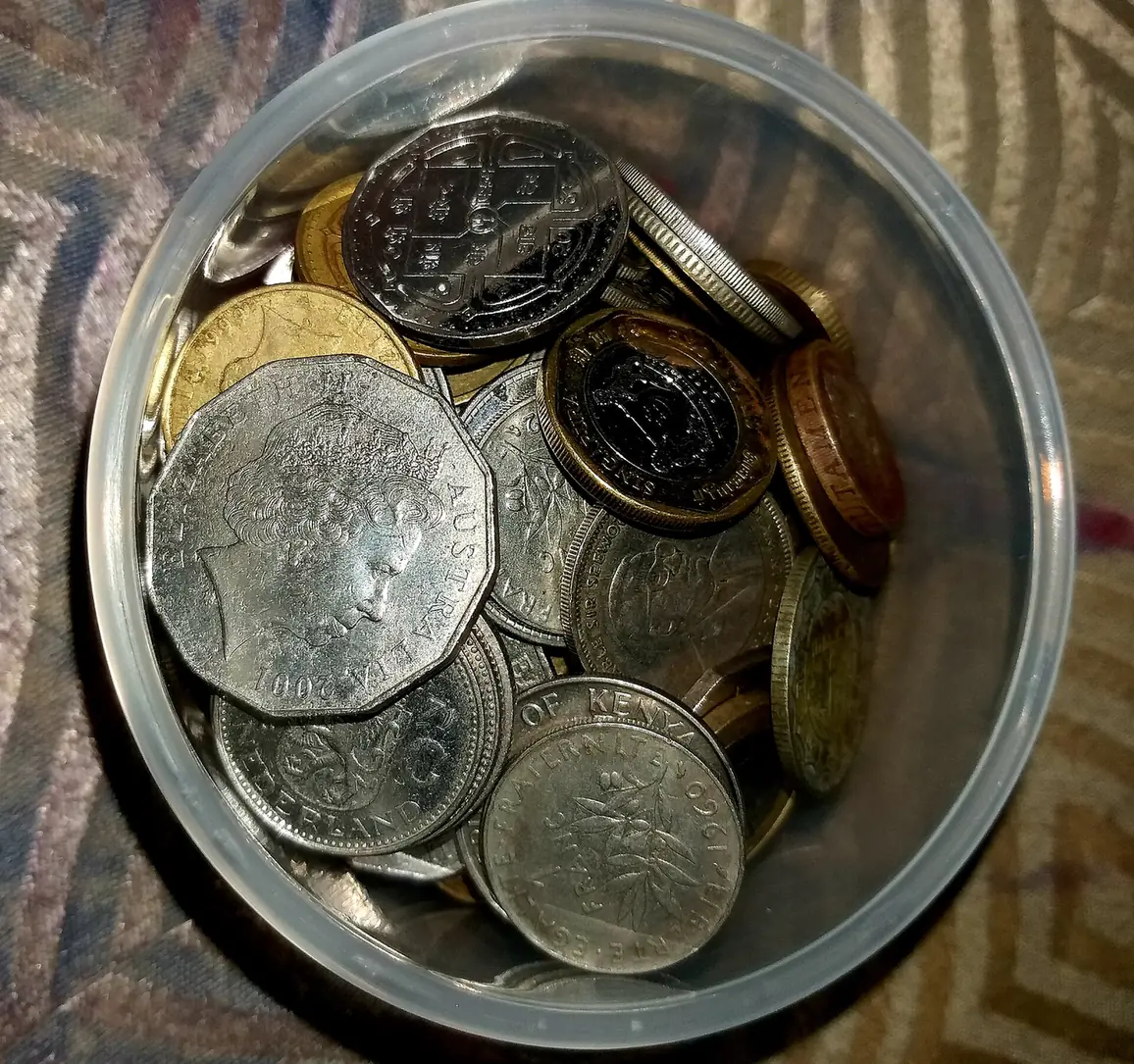
Almost every family has a jar of foreign coins: leftover change from vacations, coins brought home by relatives who served overseas, or a few souvenirs from a long-ago trip. Are they worth anything? Most aren’t worth much, but some are silver or gold, and a few are collectible.
The Honest Truth About Travel Coins
Modern foreign coins from the last few decades are usually worth very little to collectors, and many can’t be exchanged at banks. Coins from many of the old European currencies replaced by the euro, for example, can no longer be exchanged. That’s why big jars of modern world coins often sell by the pound.
But it’s worth sorting before you write them off.
Look for Silver
Many countries used silver in their coins until the mid-1900s. A few to look for:
- Canada: Dimes, quarters, halves, and dollars dated 1966 or earlier are 80% silver.
- Great Britain: Coins dated 1919 or earlier are 92.5% silver; 1920 to 1946 coins are 50% silver.
- Mexico: Many older peso coins contain silver.
- Other countries: Large, older coins from many European and Latin American countries were silver.
Silver coins often have a gray or toned look and a solid edge. If you’re not sure, set them aside to be checked. My guide on how to tell if a coin is silver covers simple tests, and U.S. coins are covered in the junk silver guide.
Look for Gold
Gold coins turn up in world coin collections more often than you’d think:
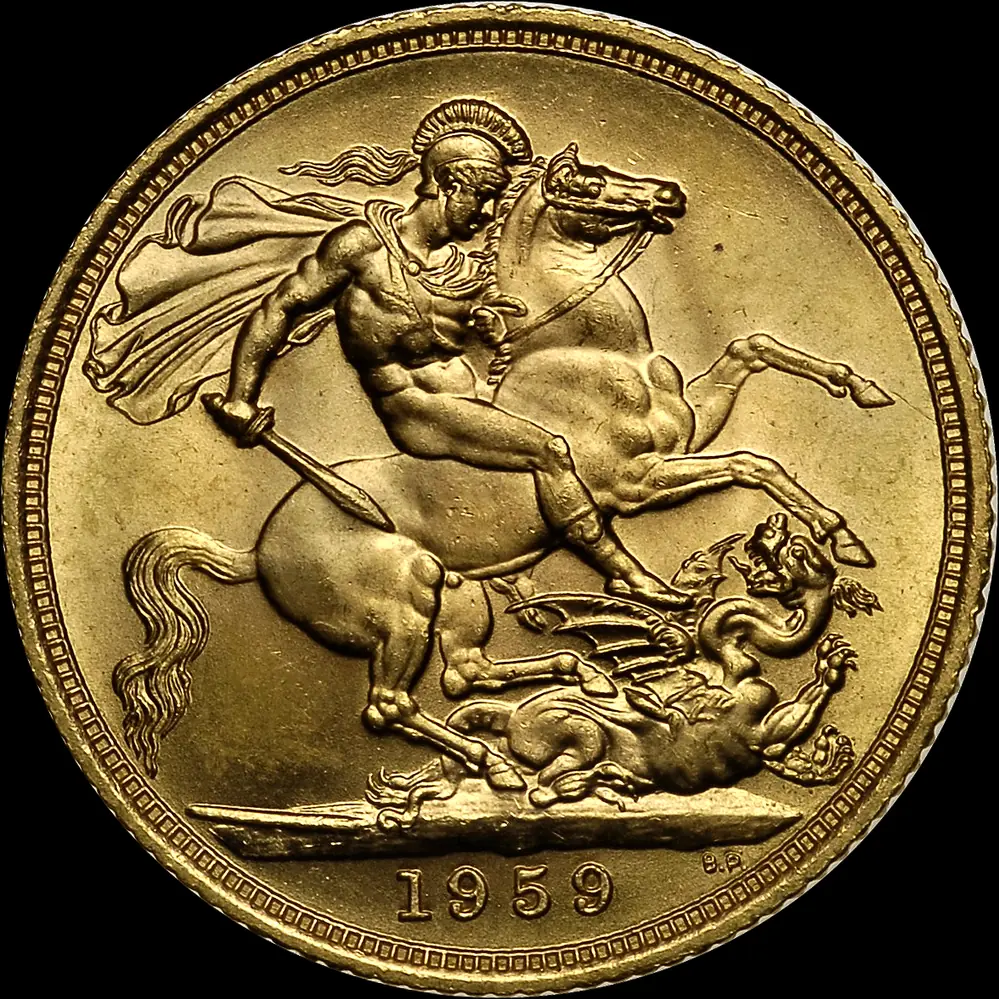
- British sovereigns: A small gold coin with about 0.24 troy ounces of gold.
- Mexican gold coins, like the large 50 pesos, which contains about 1.2 troy ounces of gold.
- Swiss, French, and other European gold coins from the late 1800s and early 1900s.
- Modern bullion coins like the Krugerrand and Canadian Maple Leaf. See my guide to selling gold coins.
Collectible World Coins
Some world coins are worth more than their metal because they’re old, scarce, or in great condition. Older coins (1800s and earlier), well-preserved coins, and coins from countries that no longer exist can be interesting to collectors.
Watch Out For
- Souvenir and tourist coins that look old but are modern copies
- Fake “ancient” coins sold to tourists
- Tokens and medals that look like coins (some are collectible, but many aren’t)
How to Sort a Jar of World Coins
- Pull out anything large, old, or silver-looking.
- Pull out anything gold-colored and heavy for its size.
- Look for older dates, especially before 1950.
- Leave modern, everyday coins together. They’re usually sold in bulk.
More guides: Canadian silver coins.
The Bottom Line
Most modern foreign coins are worth little, but older silver and gold coins are worth sorting out. Canadian and British silver, British sovereigns, and Mexican gold are the most common finds.
Have a jar of foreign coins? JoCo Coin Shop offers honest, no-obligation appraisals across the Kansas City area. Contact me by phone, text, or email to get started.