Selling Gold Coins: What to Know About U.S. and Bullion Gold
Have old U.S. gold coins, Gold Eagles, or Krugerrands? Here's how gold coins are valued, how much gold they contain, and what to avoid when selling.
Gold coins are often the most valuable part of a collection, and they’re also the coins people worry about most when it comes time to sell. Here’s a plain-English guide to the most common gold coins I see and how their value is figured.
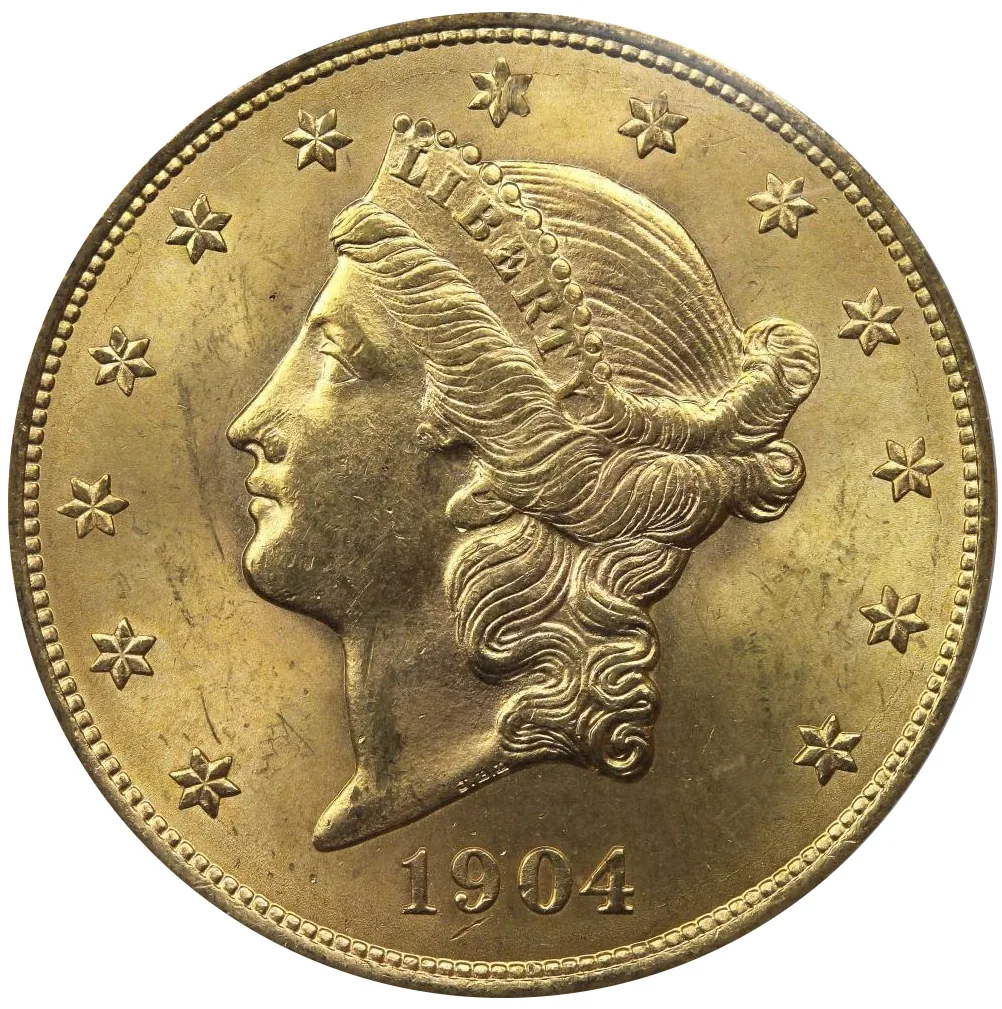
Old U.S. Gold Coins (Before 1933)
Before 1933, the U.S. Mint made gold coins for everyday use, in denominations of $1, $2.50, $3, $5, $10, and $20. They’re 90% gold, and many people call them “pre-33 gold.”
How much gold is in the common sizes:
| Coin | Nickname | Pure gold |
|---|---|---|
| $20 | Double eagle | about 0.97 troy oz |
| $10 | Eagle | about 0.48 troy oz |
| $5 | Half eagle | about 0.24 troy oz |
| $2.50 | Quarter eagle | about 0.12 troy oz |
In 1933, President Franklin Roosevelt ordered most gold coins turned in to the government, and the Mint stopped making them. Americans couldn’t legally own most gold bullion again until the end of 1974. That’s part of why so many old gold coins come from overseas banks today.
Liberty vs. Saint-Gaudens $20s
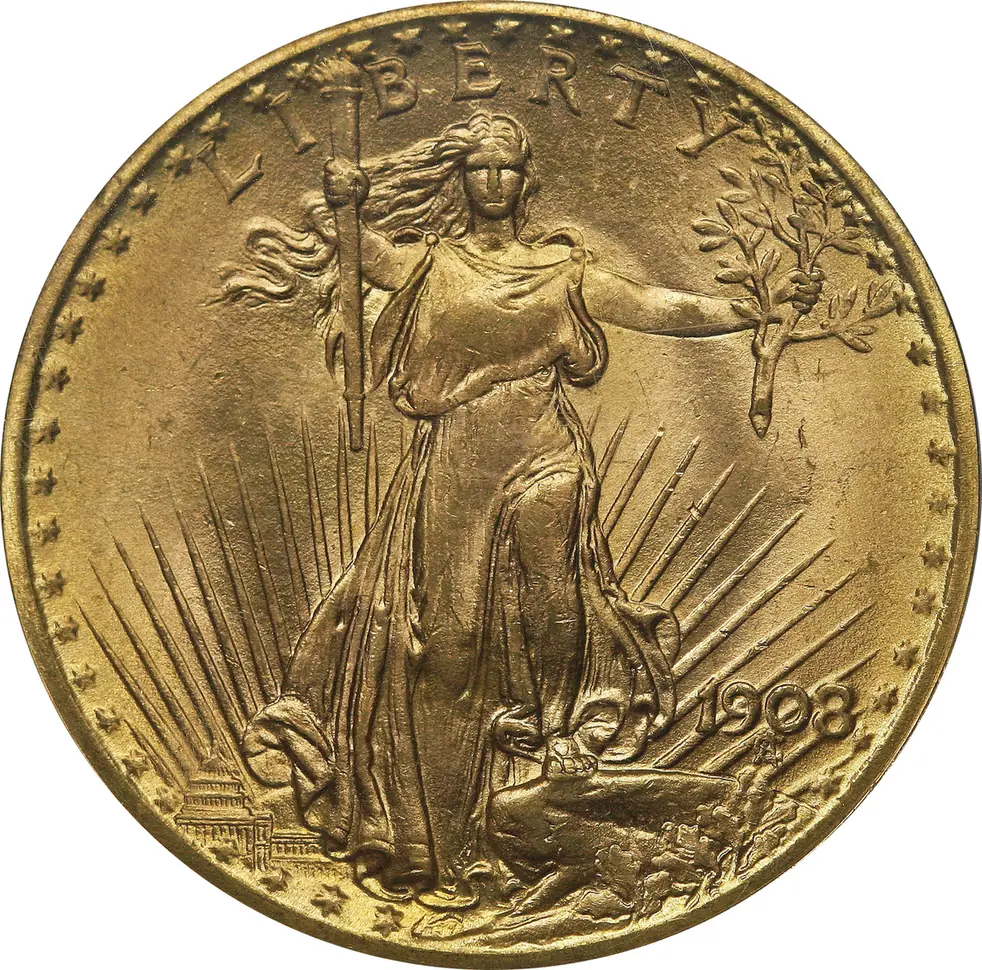
The two main designs of $20 gold coins are the Liberty Head (1850 to 1907) and the Saint-Gaudens (1907 to 1933), often considered the most beautiful U.S. coin ever made. Common dates of both trade mostly on their gold content plus a collector premium. Scarce dates and high-grade coins are worth much more.
Modern Gold Bullion Coins
These were made as a way to own gold, and their value follows the gold price closely:
- American Gold Eagle (1986 to today): 22 karat gold, made in 1 oz, 1/2 oz, 1/4 oz, and 1/10 oz sizes. Each contains the full stated weight of pure gold.
- American Gold Buffalo (2006 to today): 1 oz of .9999 fine (24 karat) gold.
- Canadian Maple Leaf: .9999 fine gold in most years.
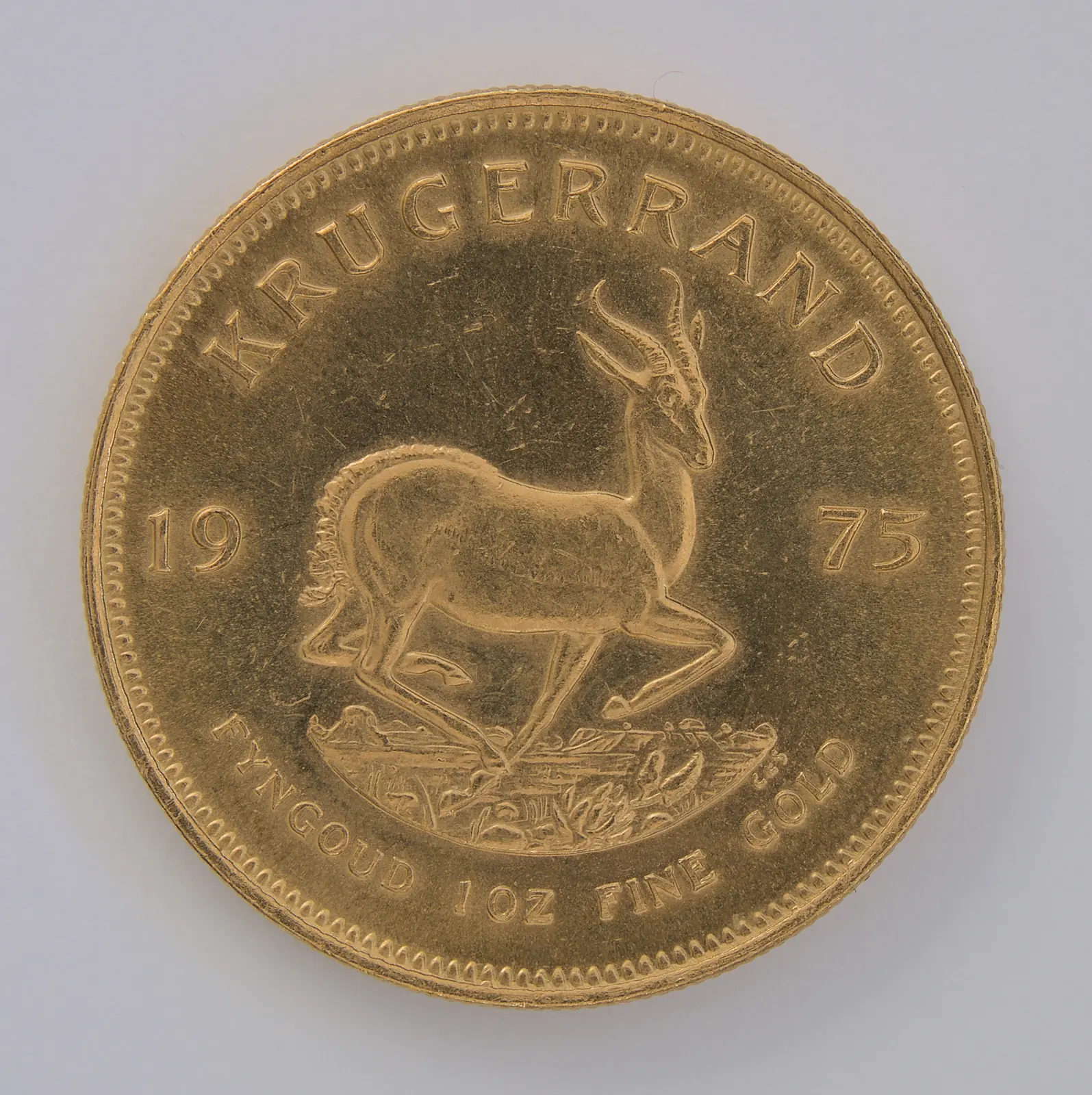
- South African Krugerrand (1967 to today): 22 karat, with 1 oz of pure gold in the full-size coin.
How Gold Coins Are Valued
- Gold content: The starting point is the weight of pure gold and the day’s gold price, which changes every day.
- Type: Well-known bullion coins and U.S. gold coins are easy to sell, which helps their value.
- Collector value: Scarce dates, mint marks, and high grades can be worth far more than the gold.
- Condition: Scratches, rim dings, and cleaning lower collector value, though gold value stays.
Gold Coins Are Heavily Faked
Gold is a favorite target for counterfeiters. Fakes range from gold-plated copies to coins made with tungsten, which weighs about the same as gold. Be very cautious about buying gold from strangers online or at a “great price.” See my post on spotting counterfeit silver and gold.
Tips Before You Sell
- Don’t clean them. Gold coins are soft and scratch easily.
- Don’t test them yourself with acid or scratches.
- Keep graded coins in their holders.
- Know roughly what you have: the type, weight, and date of each coin.
More guides: gold karat stamps, what the spot price means, gold certificates, fake gold on Facebook.
The Bottom Line
Old U.S. gold coins are 90% gold, and modern bullion coins like Gold Eagles and Krugerrands contain a stated weight of gold. Their value starts with the gold price and goes up from there for scarce dates and nice condition.
Have gold coins? JoCo Coin Shop offers honest, no-obligation appraisals across the Kansas City area. Contact me by phone, text, or email to get started.