Indian Head Pennies: Key Dates and What Your Old Cents Are Worth
Indian Head pennies were made from 1859 to 1909. Learn the key dates, the 1864 L variety, and what makes some old cents worth more than others.
Before the Lincoln cent, there was the Indian Head cent. These small copper coins were made for 50 years, from just before the Civil War to 1909, and they’re among the most common 19th-century coins people find in old collections. Most are affordable, but a few dates are very valuable.
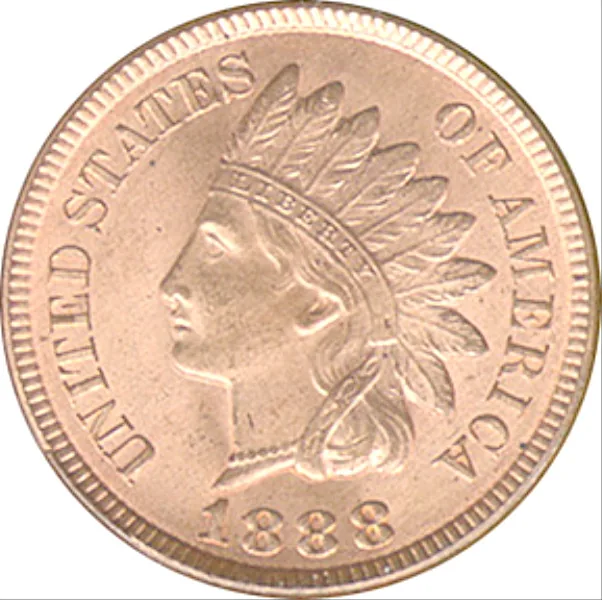
The Basics
- Made from 1859 to 1909
- Designed by James B. Longacre, chief engraver of the U.S. Mint
- The front shows Liberty wearing a Native American headdress
- Nearly all were made in Philadelphia (no mint mark). Only the 1908 and 1909 cents were also made in San Francisco, with an S on the back below the wreath.
Three Versions
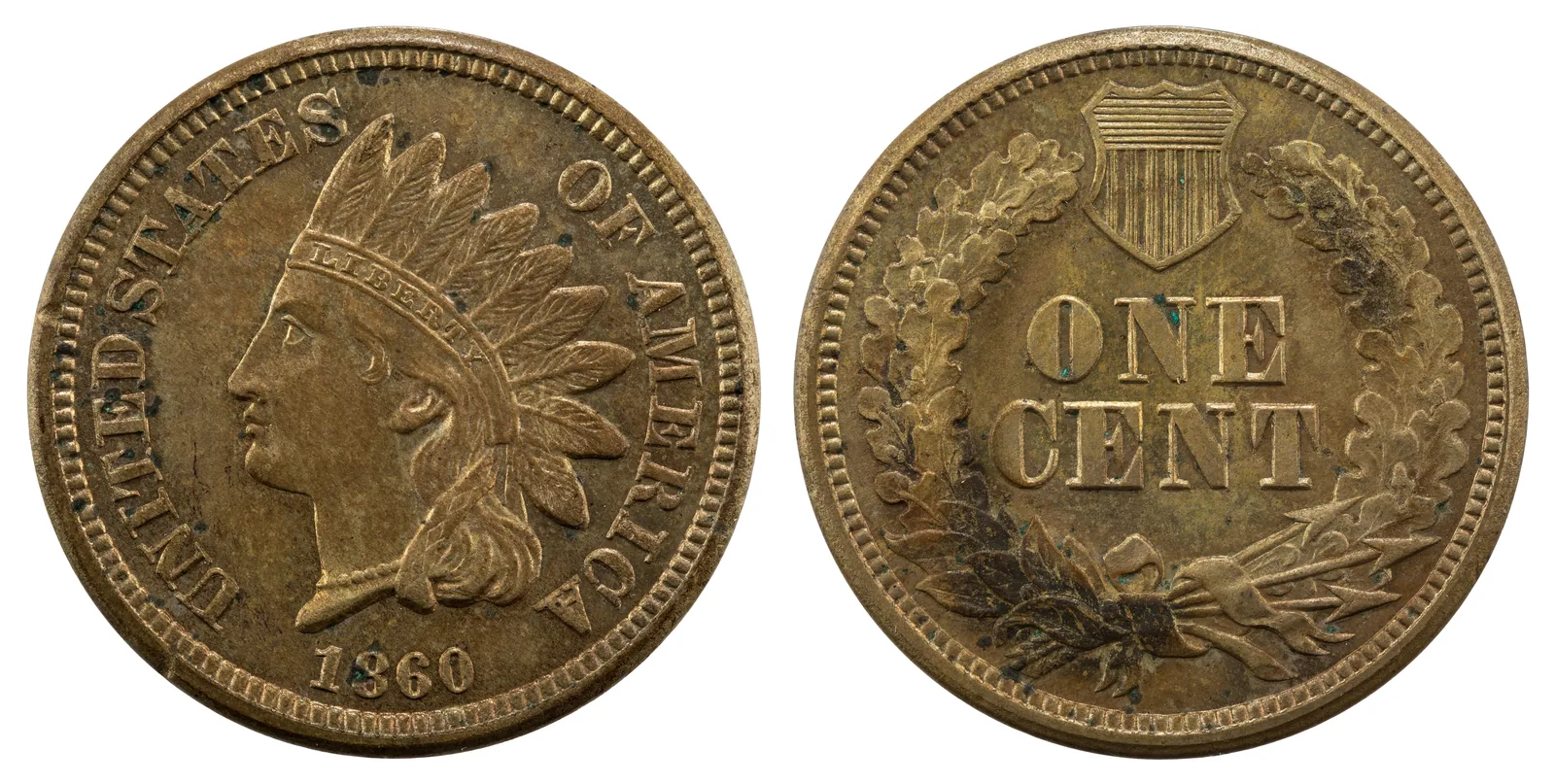
- 1859: Copper-nickel, with a laurel wreath on the back.
- 1860 to 1864: Copper-nickel, with an oak wreath and a small shield on the back. These are thicker and lighter in color.
- 1864 to 1909: Bronze (mostly copper), thinner, and the familiar brown color.
The 1864 “L” Variety
In 1864, Longacre’s initial L was added to the ribbon behind Liberty’s neck. The bronze 1864 cents with the L are scarcer than those without it. You’ll need a magnifier to see it.
Key Dates to Look For
- 1877: The most famous Indian Head cent and the key to the series.
- 1909-S: Only about 309,000 made. The last year of the series, from San Francisco.
- 1908-S: The first San Francisco Indian Head cent, also scarce.
- 1869, 1871, and 1872: Scarce dates that are popular with collectors.
- 1864 L: Mentioned above.
Because the 1877 and 1909-S are valuable, fakes and altered dates exist. If you think you have one, have it checked in person.
What Common Dates Are Worth
Most Indian Head cents from the 1880s to 1907 are common. Worn examples are worth a modest premium. Coins with a full, clear LIBERTY on the headband are worth more, and bright uncirculated coins with original red color are worth much more.
Don’t Clean Them
Indian Head cents are often dark brown from age. That’s normal. Cleaning them turns them an unnatural pink or orange color that collectors avoid, and it can’t be undone.
More guides: Flying Eagle cents, wheat pennies, large cents and half cents, two- and three-cent pieces.
The Bottom Line
Indian Head cents were made from 1859 to 1909. Most are common, but check for the 1877, 1909-S, 1908-S, and the 1864 L, and look for a clear LIBERTY on the headband as a sign of better condition.
Have Indian Head pennies? JoCo Coin Shop offers honest, no-obligation appraisals across the Kansas City area. Contact me by phone, text, or email to get started.