Barber Dimes, Quarters, and Half Dollars: A Beginner’s Guide
Barber dimes, quarters, and halves (1892 to 1916) are 90% silver. Learn how to judge their condition by LIBERTY on the headband and which dates are rare.
Barber coins are some of the oldest silver coins that turn up in family collections. Named for their designer, they were made from the 1890s until World War I, and many of them circulated for decades. Here’s what to know about them.
The Basics
- Designed by Charles E. Barber, chief engraver of the U.S. Mint
- Dimes and quarters: 1892 to 1916
- Half dollars: 1892 to 1915
- All are 90% silver
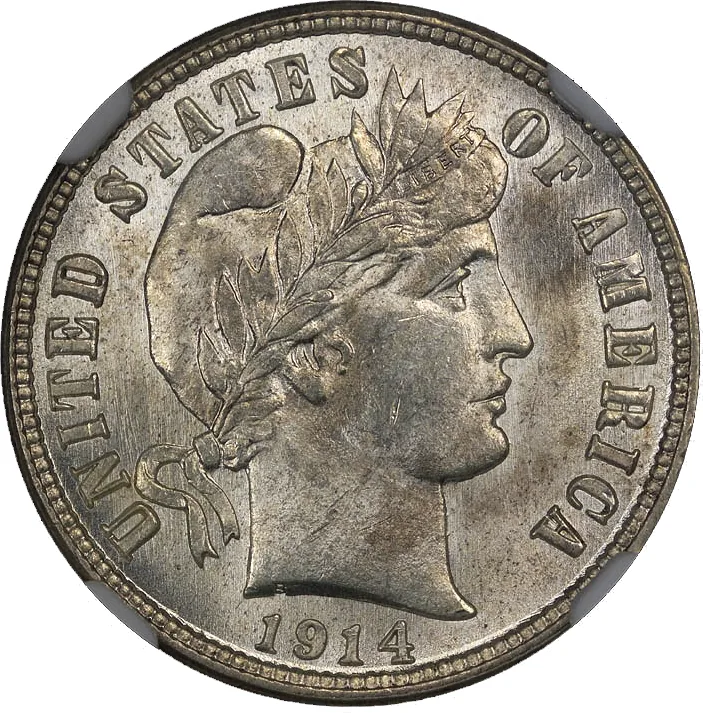
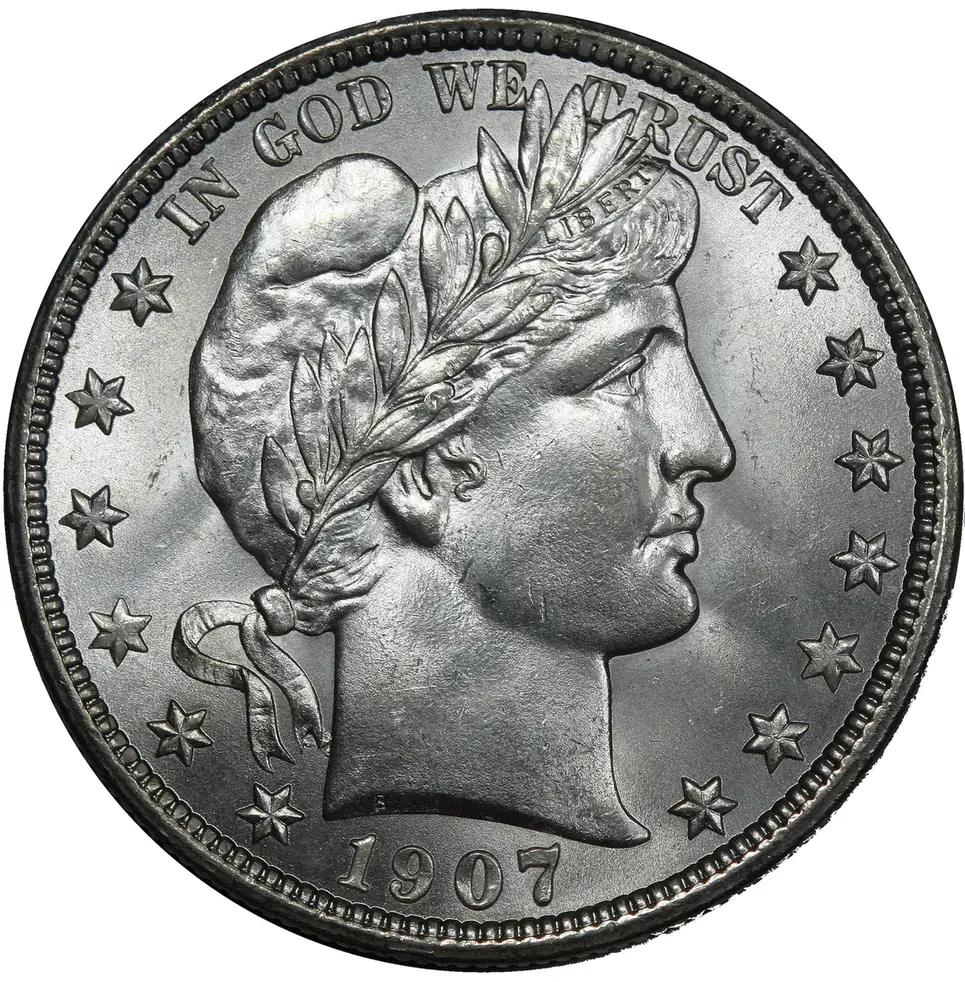
- All three share the same design on the front: Liberty facing right, wearing a cap and a laurel wreath, with LIBERTY on a headband
- Struck at Philadelphia, New Orleans (O), San Francisco (S), and from 1906, Denver (D). The mint mark is on the back, below the wreath or the eagle.
Judging Condition: Look at LIBERTY
The easiest way to judge a Barber coin’s condition is the word LIBERTY on Liberty’s headband. It’s one of the highest points of the design, so it wears away first.
- Every letter bold and clear: Very Fine (VF-20) or better, worth a meaningful premium
- Every letter there, but weak: Fine (F-12)
- Only a few letters clear: Very Good (VG-8)
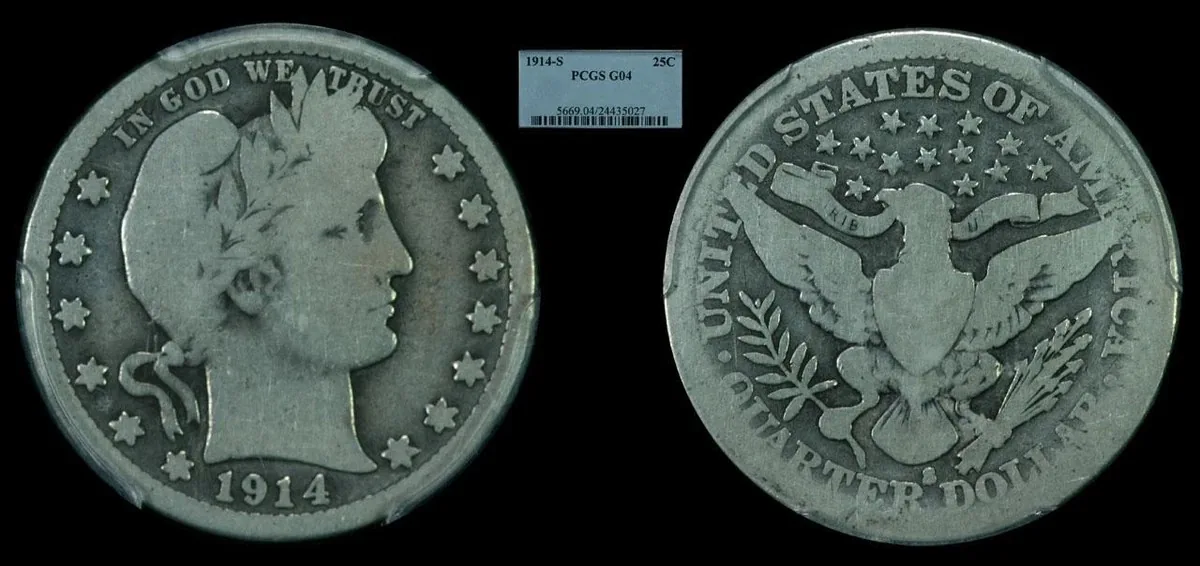
- No letters left: Good (G-4) or lower, sometimes called “slick”
Many Barber coins circulated until they were worn nearly smooth. Those trade close to their silver value, plus a little for the type.
Grade by Grade
Here’s a short version of the official American Numismatic Association (ANA) grading standards, using the Barber quarter as the example. Dimes and halves wear the same way on the front. The dime’s back is a wreath instead of an eagle, so only the front checks apply to it.
| Grade | What to look for |
|---|---|
| MS-63 (Mint State) | No wear at all. Nice luster, but some noticeable bag marks. Higher Mint State numbers mean fewer marks and better eye appeal. |
| AU-50 (About Uncirculated) | Traces of wear on the cheek, leaf tips, and hair below LIBERTY, and on the eagle’s head, neck, tail, and wing tips. About half the luster left. |
| EF-40 (Extremely Fine) | Light wear on the leaves, cheek, cap, and hair above the forehead. LIBERTY is sharp. Every detail on the eagle is still clear. |
| VF-20 (Very Fine) | Every letter of LIBERTY shows. More than half the leaf detail remains. The shield is worn, but about half the feather detail is clear. |
| F-12 (Fine) | All of LIBERTY is weak but readable. On the back, the shield’s up-and-down stripes are still separate, but its crosswise lines have merged. |
| VG-8 (Very Good) | Only a few letters of LIBERTY are clear. The shield is mostly flat, but the rim is complete. |
| G-4 (Good) | LIBERTY is gone. The eagle is flat but fully outlined. The lettering around the edge is weak but readable. |
| AG-3 (About Good) | Just an outline. Part of the date is worn away, and the lettering runs into the rim. |
What Each Grade Looks Like
Here’s a Barber quarter in each grade from the table, front and back.



Wear or a Weak Strike?
Not every soft spot is wear. Many New Orleans (O) and Denver (D) Barber quarters were struck softly, especially on the eagle’s left claw. Thin hair lines on Liberty’s face are also often from a weak strike. Judge the grade by the overall wear, not one weak spot.
Key Dates to Look For
Dimes
- 1894-S: One of the most famous rarities in U.S. coinage. Only 24 were struck, and very few are known today. You’re not likely to find one, but it’s a great story.
- 1895-O: The key date most collectors actually need, and scarce in any condition.
Quarters
- 1896-S, 1901-S, and 1913-S: The three key dates of the series. The 1901-S is especially rare.
Half Dollars
- 1892-O “Micro O,” 1892-S, 1897-O, and 1897-S: Scarce dates and varieties.
More guides: Seated Liberty coins, Mercury dimes, Standing Liberty quarters, Liberty Head “V” nickels.
The Bottom Line
Barber dimes, quarters, and halves are all 90% silver and were made from 1892 to the mid-1910s. Check LIBERTY on the headband to judge condition, and look at the mint mark on the back for the scarce dates. Worn common dates are worth their silver plus a little; nicer coins are worth more.
Have Barber coins? JoCo Coin Shop offers honest, no-obligation appraisals across the Kansas City area. Contact me by phone, text, or email to get started.