Gold Certificates: Old Bills with a Gold Seal
Gold certificates were U.S. paper money redeemable in gold. Learn about the 1928 gold seal notes, the 1933 recall, and what they're worth today.
If you’ve found an old bill with a gold or orange seal and the words GOLD CERTIFICATE, you have a piece of money that was once exchangeable for actual gold coins. Here’s the story behind them and what they’re worth today.
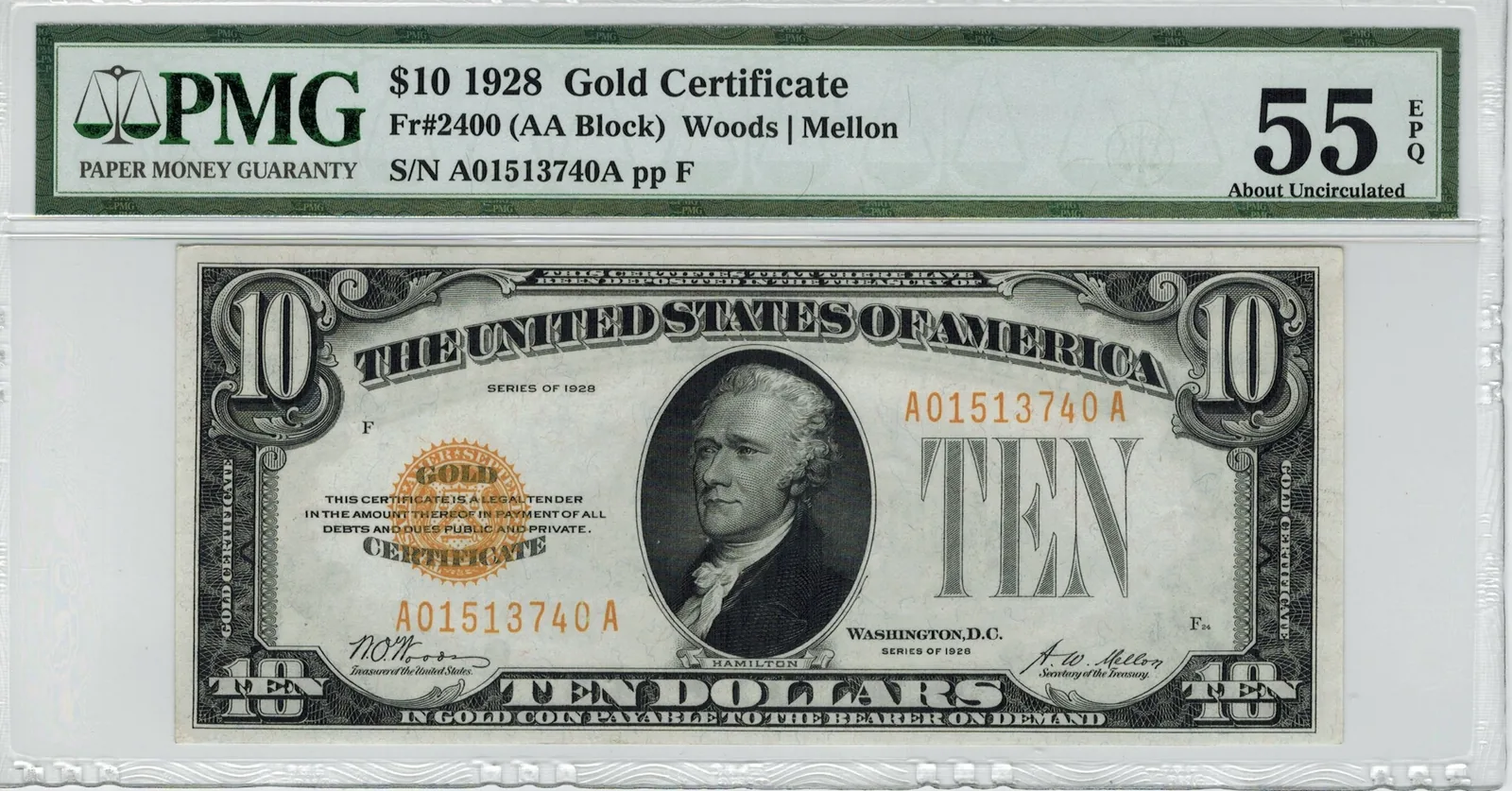
What Is a Gold Certificate?
Gold certificates were U.S. paper money backed by gold held in the Treasury. The holder could exchange them for gold coins. They were issued in various forms from the 1860s until 1934.
Small-Size Gold Certificates (1928)
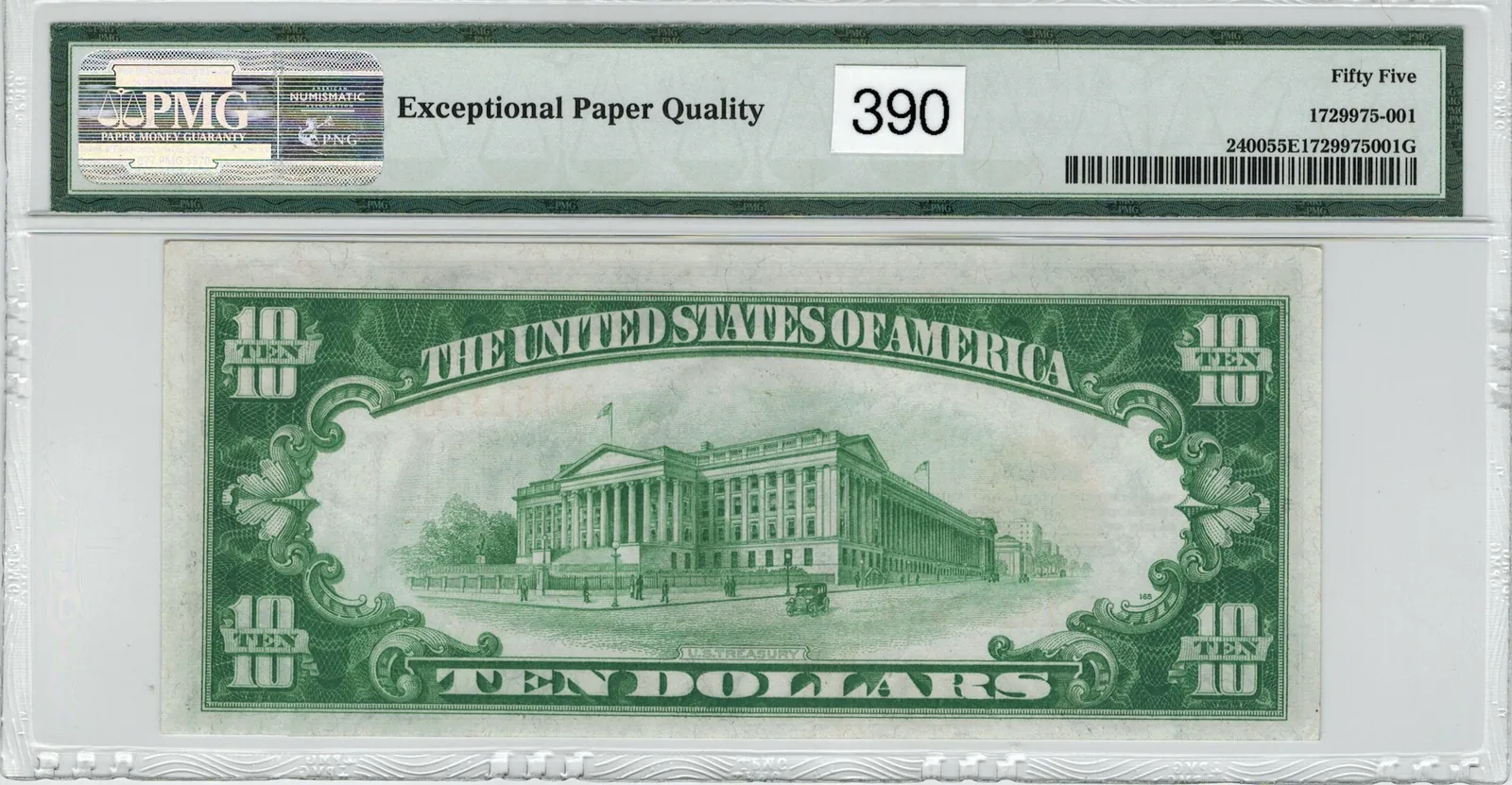
The ones most people find are Series 1928 and 1928A small-size notes, the same size as modern money. They have a gold-colored seal and gold serial numbers on the front, and a green back. The most common denominations are $10 and $20, with higher denominations also made.
Large-Size Gold Certificates
Older gold certificates from before 1929 are bigger than modern money. Many have a bright orange-gold back, and collectors call them “goldbacks.” These are worth considerably more than small-size notes.
The 1933 Recall
In 1933, the government required Americans to turn in gold coins and gold certificates, with limited exceptions. Many gold certificates were turned in and destroyed. In 1964, the restriction on holding gold certificates was lifted, and collectors could own them freely again.
Today, gold certificates are still legal tender at face value, but they can no longer be exchanged for gold.
What Are They Worth?
- Worn 1928 $10 and $20 notes: A modest premium over face value.
- Crisp, uncirculated notes: Worth noticeably more.
- Star notes: Replacement notes with a ★ in the serial number are scarcer.
- Higher denominations and large-size notes: Worth significantly more.
Don’t “Fix” Them
As with any paper money, don’t iron, wash, tape, or flatten gold certificates. Keep them flat in a paper money sleeve. See my paper money grading guide.
More guides: silver certificates, National Bank Notes, selling gold coins.
The Bottom Line
Gold certificates are U.S. paper money once redeemable in gold. The 1928 small-size notes with gold seals are the most common and carry a modest premium; crisp notes, star notes, high denominations, and large-size “goldbacks” are worth more.
Have an old gold certificate? JoCo Coin Shop offers honest, no-obligation appraisals across the Kansas City area. Contact me by phone, text, or email to get started.