Large Cents and Half Cents: America’s First Copper Coins
Large cents and half cents (1793 to 1857) were America's first copper coins. Learn the designs, why there's no 1815 cent, and what affects their value.
Before the small cents we know today, the U.S. made big copper pennies, larger than a modern quarter, along with half cents. These were among the very first coins made by the U.S. Mint, and every one of them is a piece of early American history.
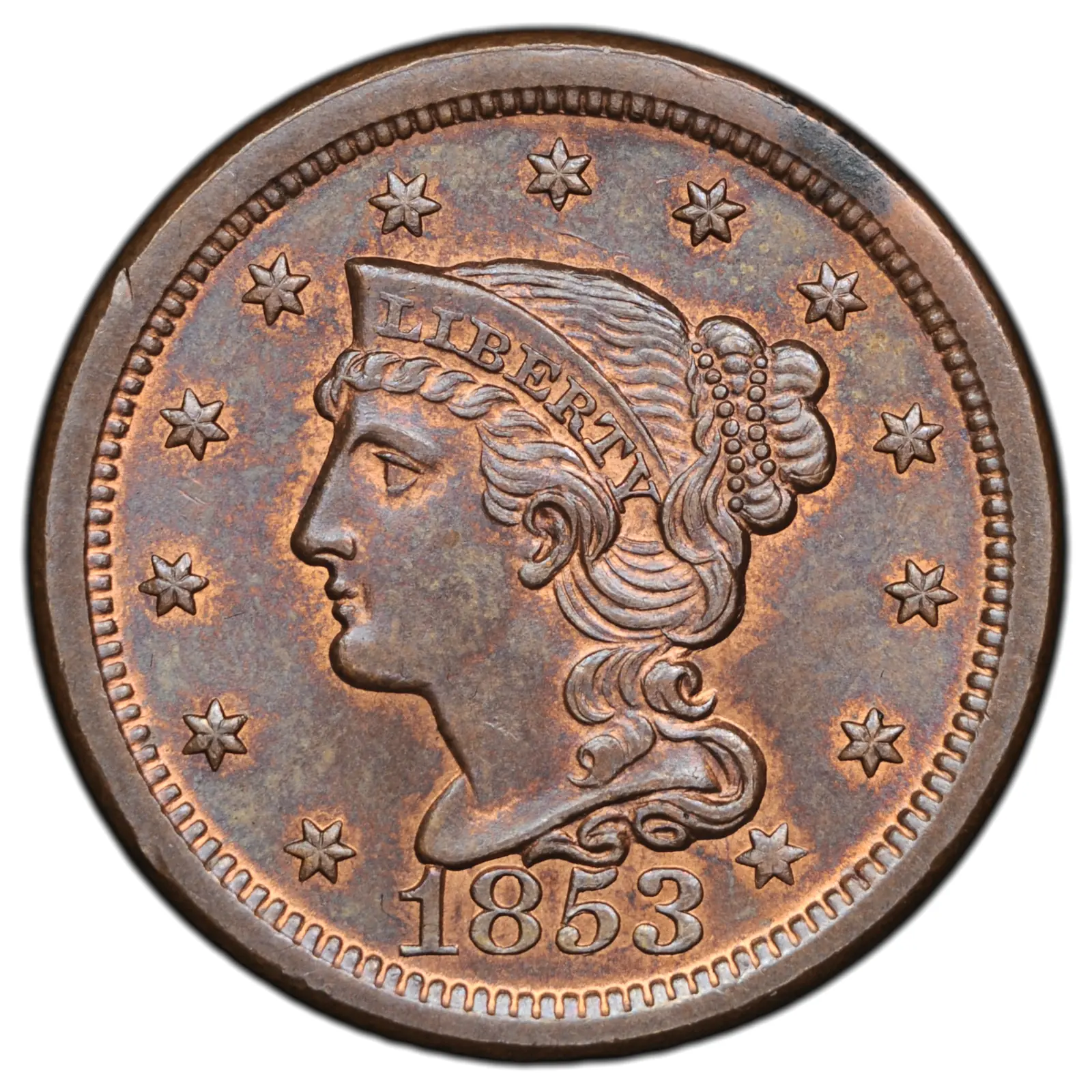
The Basics
- Large cents: made from 1793 to 1857
- Half cents: made from 1793 to 1857, though not every year
- Made of nearly pure copper
- All were struck at the Philadelphia Mint, so they have no mint marks
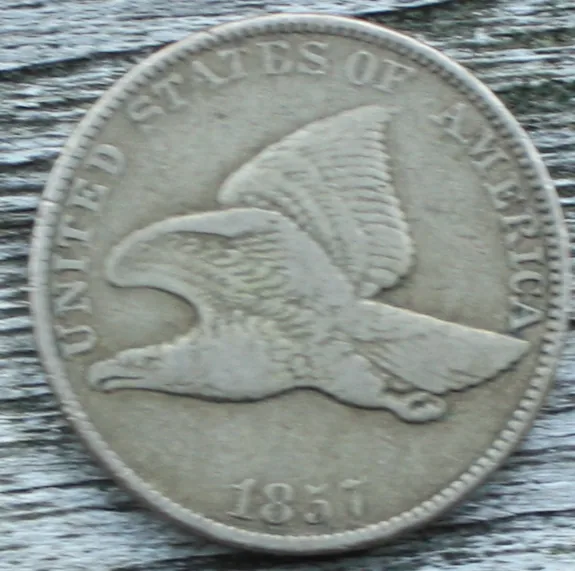
- In 1857, the large cent was replaced by the smaller Flying Eagle cent, and the half cent was discontinued
The Designs
Large cents changed designs several times:
- Flowing Hair (1793): The very first designs, with a chain or a wreath on the back
- Liberty Cap (1793 to 1796)
- Draped Bust (1796 to 1807)
- Classic Head (1808 to 1814)
- Coronet, or “Matron Head” (1816 to 1839)
- Braided Hair (1839 to 1857)
Half cents followed similar design changes.
Why There’s No 1815 Large Cent
During the War of 1812, the Mint couldn’t get copper planchets, which were imported from England. As a result, no large cents are dated 1815. If you see one, it’s been altered.
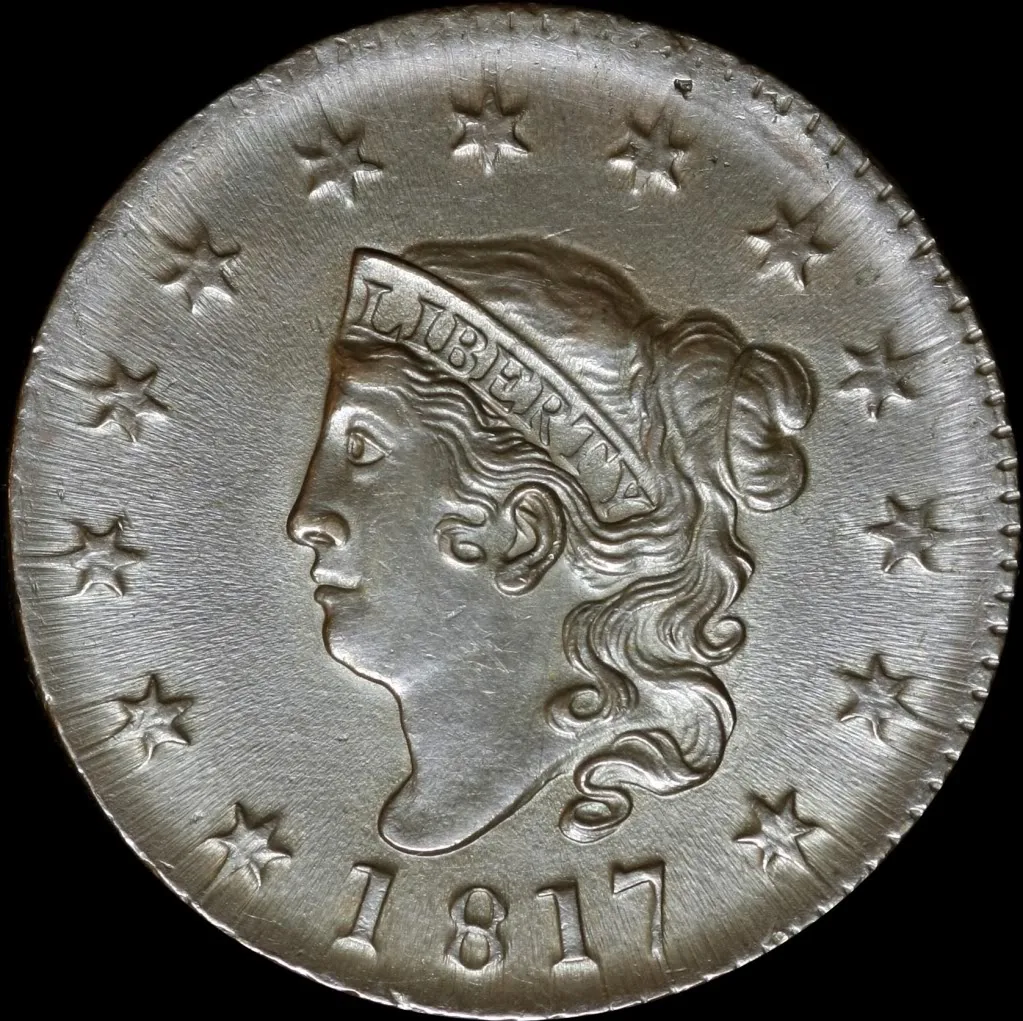
Key Dates
- 1793: All 1793 cents are valuable, since it was the first year.
- 1799: The key date of the series.
- 1804: Another famous scarce date.
- Half cents: the 1793 and 1796 are scarce, and the 1831 and 1836 were made in very small numbers, mostly as proofs.
What Affects Value
- Date and variety: Collectors study large cents by individual die varieties, sometimes called “Sheldon numbers” for early cents.
- Condition: Even worn large cents are worth well above face value. Sharp detail and smooth, glossy brown surfaces bring more.
- Problems: Many large cents are corroded or porous from being in the ground or in damp places. Those are worth less.
The grading scale used for all U.S. coins actually started with large cents. See the grading scale explained.
Don’t Clean Them
Large cents are naturally brown. Cleaning turns them an unnatural pink or orange and hurts their value badly.
More guides: Flying Eagle cents, Indian Head pennies, two- and three-cent pieces.
The Bottom Line
Large cents and half cents were America’s first copper coins, made from 1793 to 1857. All of them are collectible, and the early dates and key dates like the 1799 are worth a lot. Leave them as they are, and get an opinion before you sell.
Have large cents? JoCo Coin Shop offers honest, no-obligation appraisals across the Kansas City area. Contact me by phone, text, or email to get started.