Off-Center Coins: How Much Off-Center Matters and What They’re Worth
Off-center strikes are genuine mint errors. Learn how they happen, why the percentage and a visible date matter, and how they differ from broadstrikes.
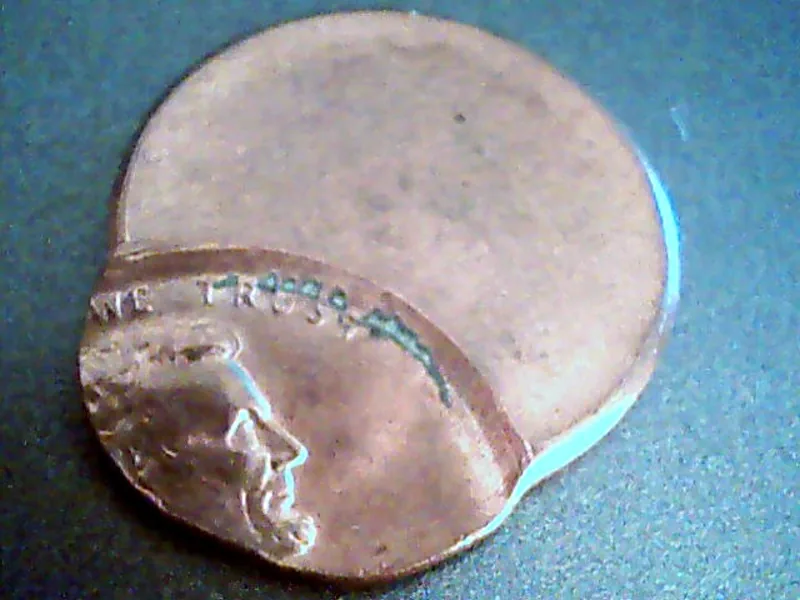
An off-center strike is one of the easiest mint errors to recognize: part of the design is missing, and there’s a blank, crescent-shaped area where the coin wasn’t struck. They’re genuine errors, and they’re popular with collectors.
How Off-Center Strikes Happen
Before a coin is struck, the blank (planchet) is fed between the dies and held in place by a ring called the collar. If a blank doesn’t seat properly and is partly outside the striking area, only part of it gets the design. The rest stays blank.
Because the coin was struck outside the collar, an off-center coin also usually has no reeding on the part of the edge that was outside it.
Why the Percentage Matters
Collectors describe off-center strikes by how far off they are, from about 5% to 95%:
- Under 10%: A slight shift. Collectible, but modest.
- About 10% to 40%: A clear, visible error.
- Around 50%: Very popular, because half the design is there and half is blank, as long as the date shows.
- Over 70% to 80%: Dramatic, but often the date and much of the design are missing.
Why the Date Matters
An off-center coin with a full, readable date is generally worth more than one without, because collectors can tell exactly what year and mint it is. A 50% off-center cent with the date showing is a classic error coin.
Broadstrikes: A Related Error
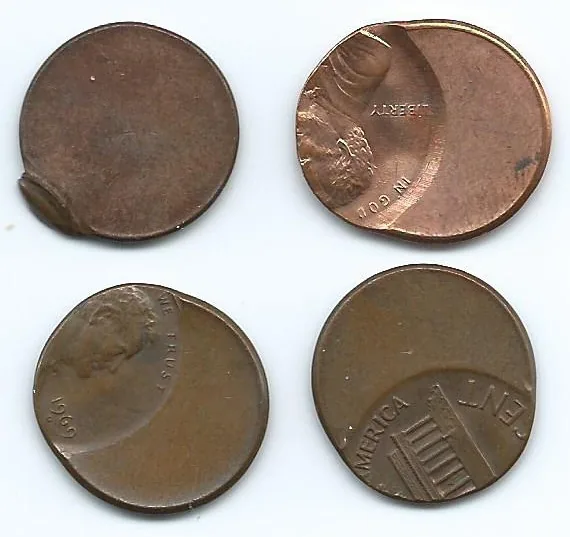
A broadstrike happens when a blank is struck centered but without the collar. The coin spreads out wider than normal, with a full design but no reeding and an irregular edge. It’s a genuine error too, but it looks different: the whole design is there, just stretched out.
Signs It’s Genuine
- The blank area is flat and smooth, with no design and no raised rim.
- The design that’s there is sharp and normal, not squeezed or smeared.
- The coin is round or nearly round, not bent or cut.
Damaged coins, like ones hammered or pressed in a vise, look very different: they tend to be distorted, with smeared details or doubled outlines. See my post on vise jobs vs. double strikes.
What Affects Value
- Percentage off-center (bigger is generally better, up to the point where the date disappears)
- Visible date and mint mark
- Denomination and metal: off-center silver coins, older coins, and larger denominations are scarcer than modern cents
- Condition: bright, uncirculated errors bring more
More mint errors: clipped planchets, wrong planchet errors, die cracks and cuds, and error coins to look for in your change.
More guides: broadstrikes, brockages and die caps.
The Bottom Line
Off-center strikes are real mint errors with a flat, blank area where the coin wasn’t struck. A clear date and a good percentage off-center make them more valuable. They’re one of the most fun errors to find, and they still turn up in rolls of new coins.
Found an off-center coin? JoCo Coin Shop offers honest, no-obligation appraisals across the Kansas City area. Contact me by phone, text, or email to get started.