What Does Top Pop Mean? Coin Population Reports Explained
Top pop means no coin of that date has been graded higher. Here's how population reports work and why top pop coins sell for big money.
If you’ve looked up a coin online and seen one sell for hundreds or thousands of dollars, there’s a good chance it was “top pop.” It’s one of the most misunderstood ideas in coin values, and it’s the reason a dime from your pocket isn’t worth what a graded one sold for.
What Is a Population Report?
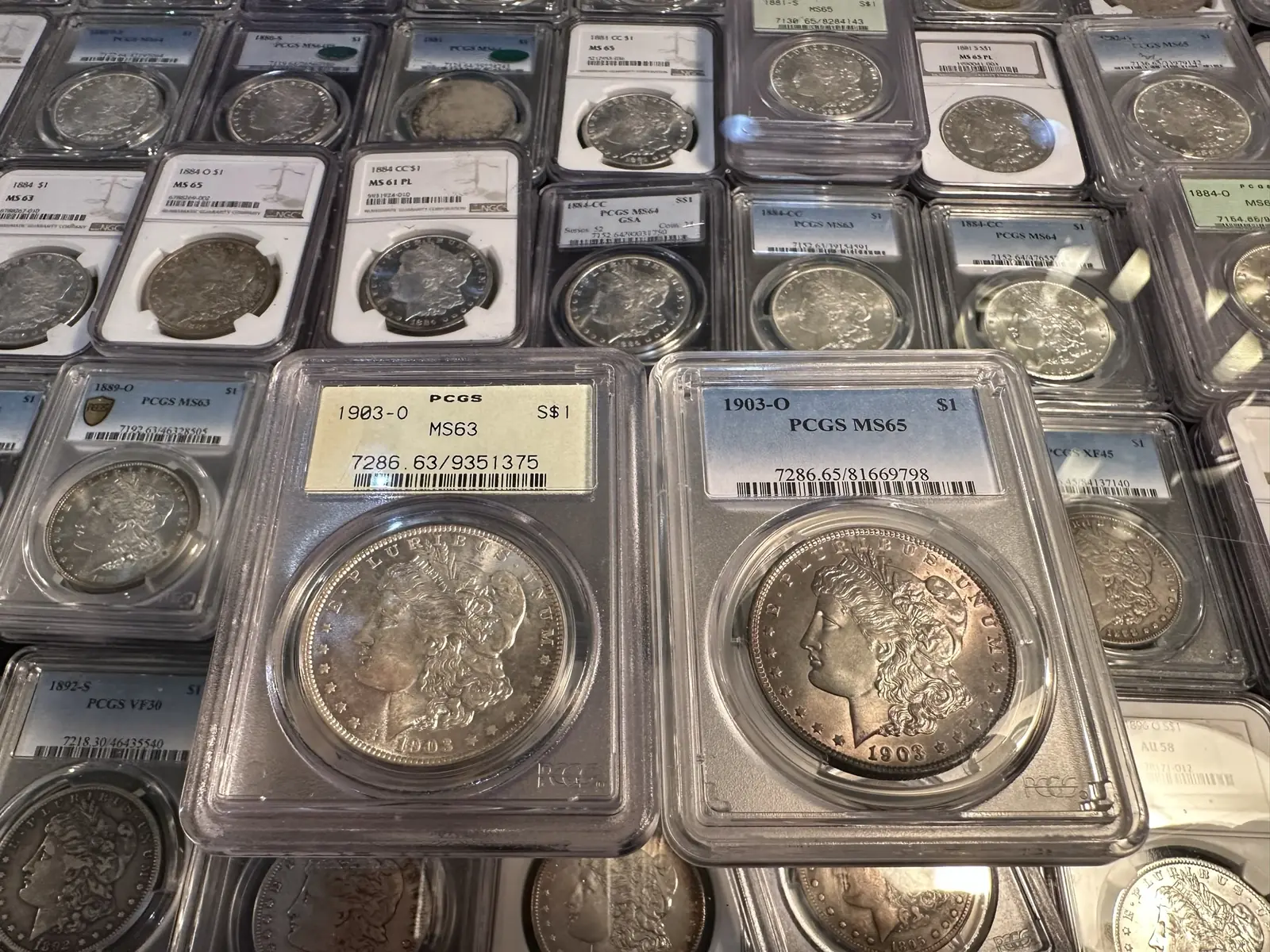
When PCGS or NGC grades a coin, it adds that coin to a running count. The PCGS Population Report and the NGC Census show how many coins of each date, mint mark, and variety they’ve graded in each grade. They also count designations separately, like Full Bands on a dime or Deep Mirror Prooflike on a Morgan dollar. Both are free to look up on the grading companies’ websites.
What Does Top Pop Mean?
Top pop (short for top population) means a coin is graded as high as any coin of its kind at that grading company, and none has been graded higher. If only one coin holds that grade, you’ll often see it listed as “pop 1, none finer” or “pop 1/0.”
A few things to know:
- Each grading company counts on its own. A coin can be top pop at NGC but not at PCGS.
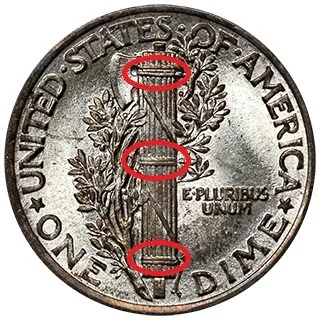
- Designations count separately. A Full Bands dime is counted apart from one without Full Bands, so “top pop” always means top pop for that exact date and designation.
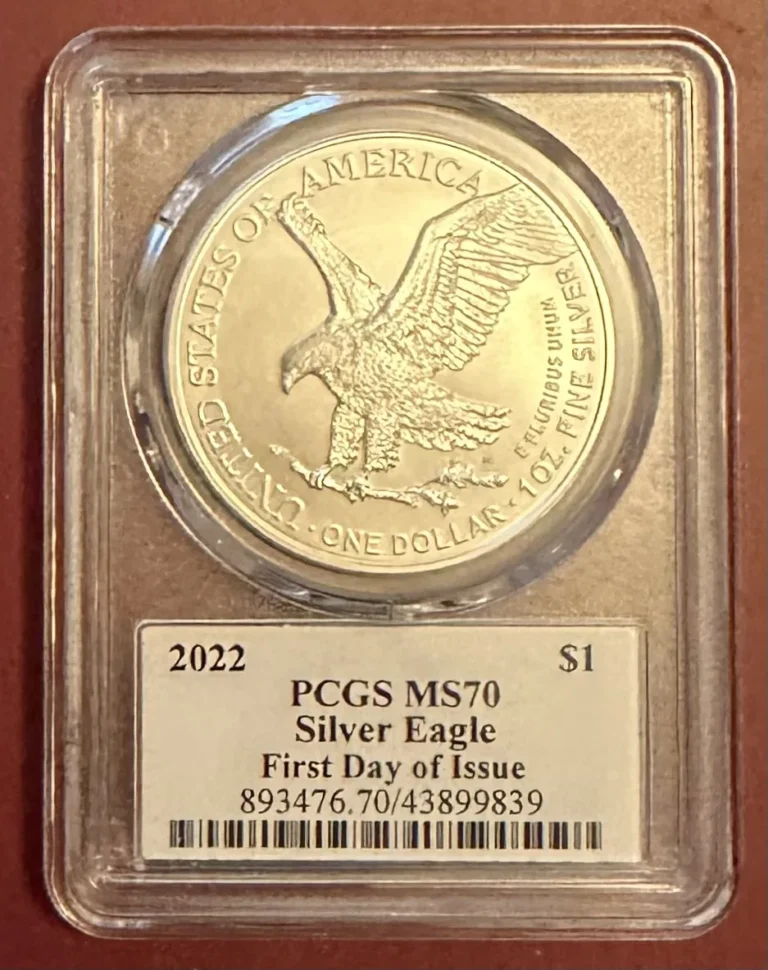
- The grade is on the label. You can’t tell a top pop coin by looking at it. It has to be graded first. See how to read a PCGS or NGC label.
Why Top Pop Coins Bring a Premium
Many serious collectors build registry sets: collections ranked on the PCGS and NGC websites, where collectors compete for the highest-graded set. To get to the top, they need the finest coins, and there may be only a few of them. That competition is where the big prices come from.
The drop-off can be steep. For many common modern coins, the top grade is the only one that brings a real premium. One grade lower, and the same coin may be worth less than it cost to grade.
Top Pop Can Change
- More coins get graded. A top pop coin today can be tied or beaten tomorrow, and its price can fall when that happens.
- Pop reports can be inflated. When someone cracks a coin out of its holder and sends it in again hoping for a higher grade, it can end up counted twice unless the old label is turned in.
So a population number is a good guide, not an exact count of how many coins exist.
A Real Example: Roosevelt Dimes
The Roosevelt dime has been made since 1946, billions of them. Most are worth face value, or their silver value for dates 1964 and earlier. The Roosevelt dimes that sell for big money online are mostly top pop graded coins with Full Bands, the finest known examples of an ordinary date. A dime that looks nice to the naked eye is still just a dime until it’s graded at the top, and very few make it. See my Roosevelt dime guide and Full Bands and Full Torch dimes.
More guides: should I get my coins graded?, the grading scale explained, coin collecting terms.
The Bottom Line
Top pop means no coin of that kind has been graded higher at that grading company. It’s why some ordinary-looking coins sell for big money, and why the same date one grade lower may be worth face value. When you see a high price online, check the grade and the label before getting excited about a coin in your drawer.
Have a collection to sell? JoCo Coin Shop offers honest, no-obligation appraisals across the Kansas City area. Contact me by phone, text, or email to get started.