Are Old Proof Sets and Mint Sets Worth Anything?
Found a stack of old U.S. Mint proof sets or mint sets? Here's which ones have silver, which years are worth more, and why you shouldn't open them.
Proof sets and mint sets are some of the most common things I see in inherited collections. Lots of people bought them from the U.S. Mint every year, tucked them in a drawer, and never looked at them again. Now there’s a stack of plastic cases and envelopes, and the question is: are they worth anything?
Some are, some aren’t, and a few are worth quite a bit. Here’s how to sort them out.
Proof Sets vs. Mint Sets
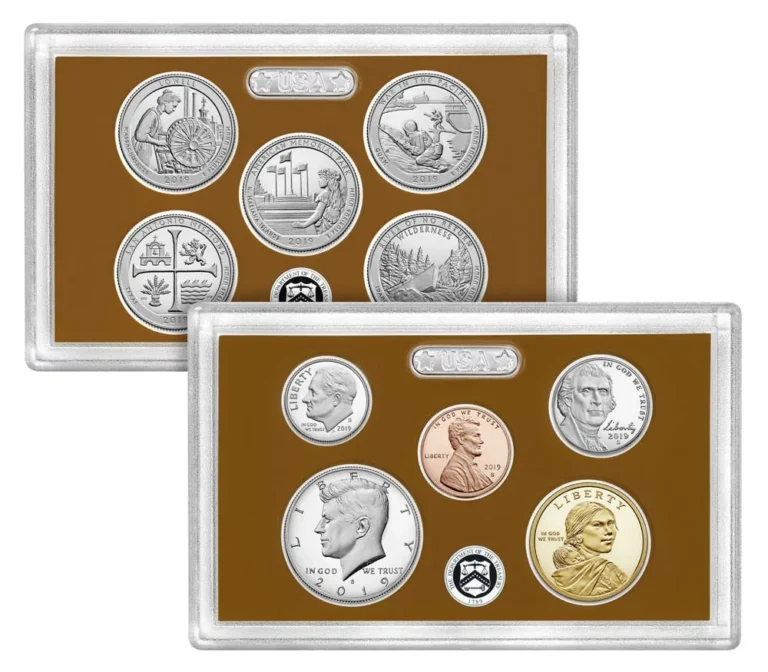
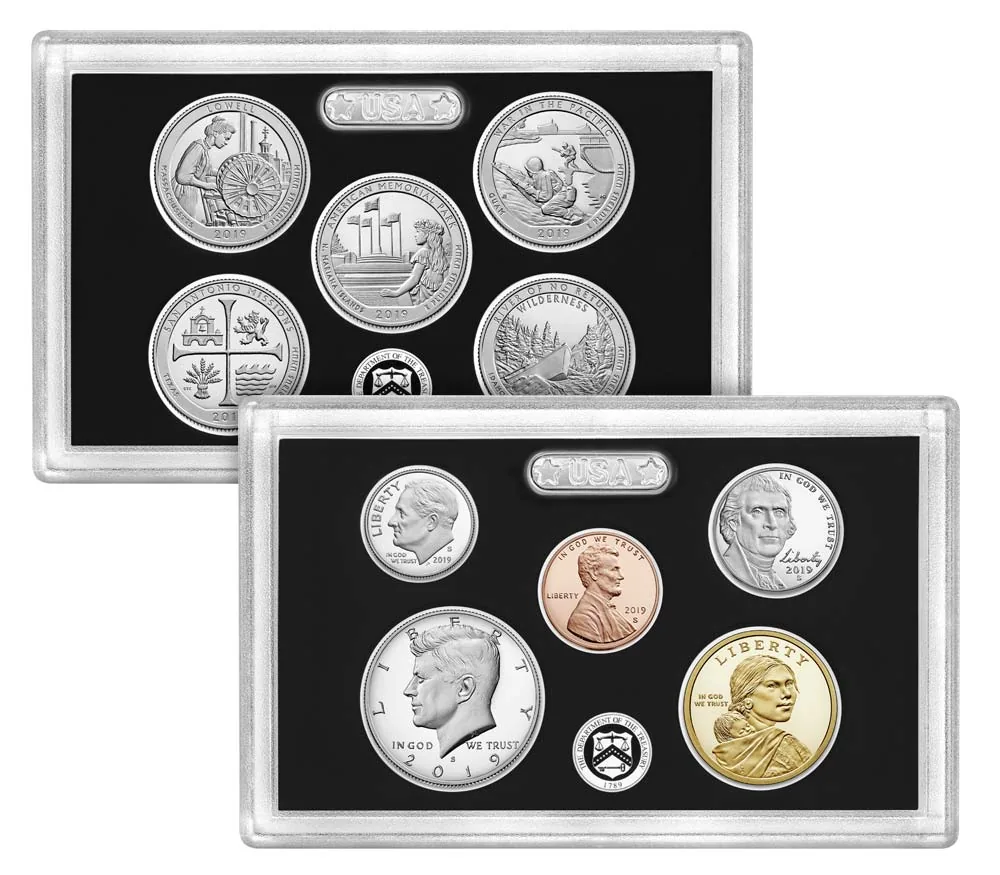
- Proof sets contain specially made coins with mirror-like backgrounds and frosted designs. They’re struck more than once with polished dies, just for collectors. Modern proof sets come in a hard plastic case.
- Mint sets (also called uncirculated sets) contain regular coins from the Philadelphia and Denver Mints, packaged for collectors in nice condition. They usually come in soft plastic sleeves or cardboard holders.
The Sets with Silver
The first thing I check is the year, because it tells me whether there’s silver inside:
- Proof sets from 1950 to 1964: The dime, quarter, and half dollar are 90% silver. These sets always have a silver value.
- Mint sets from 1947 to 1964: Same thing: the dimes, quarters, and halves are 90% silver.
- Sets from 1965 to 1967: The Mint made “Special Mint Sets” instead of proof sets. The half dollars in these sets are 40% silver.
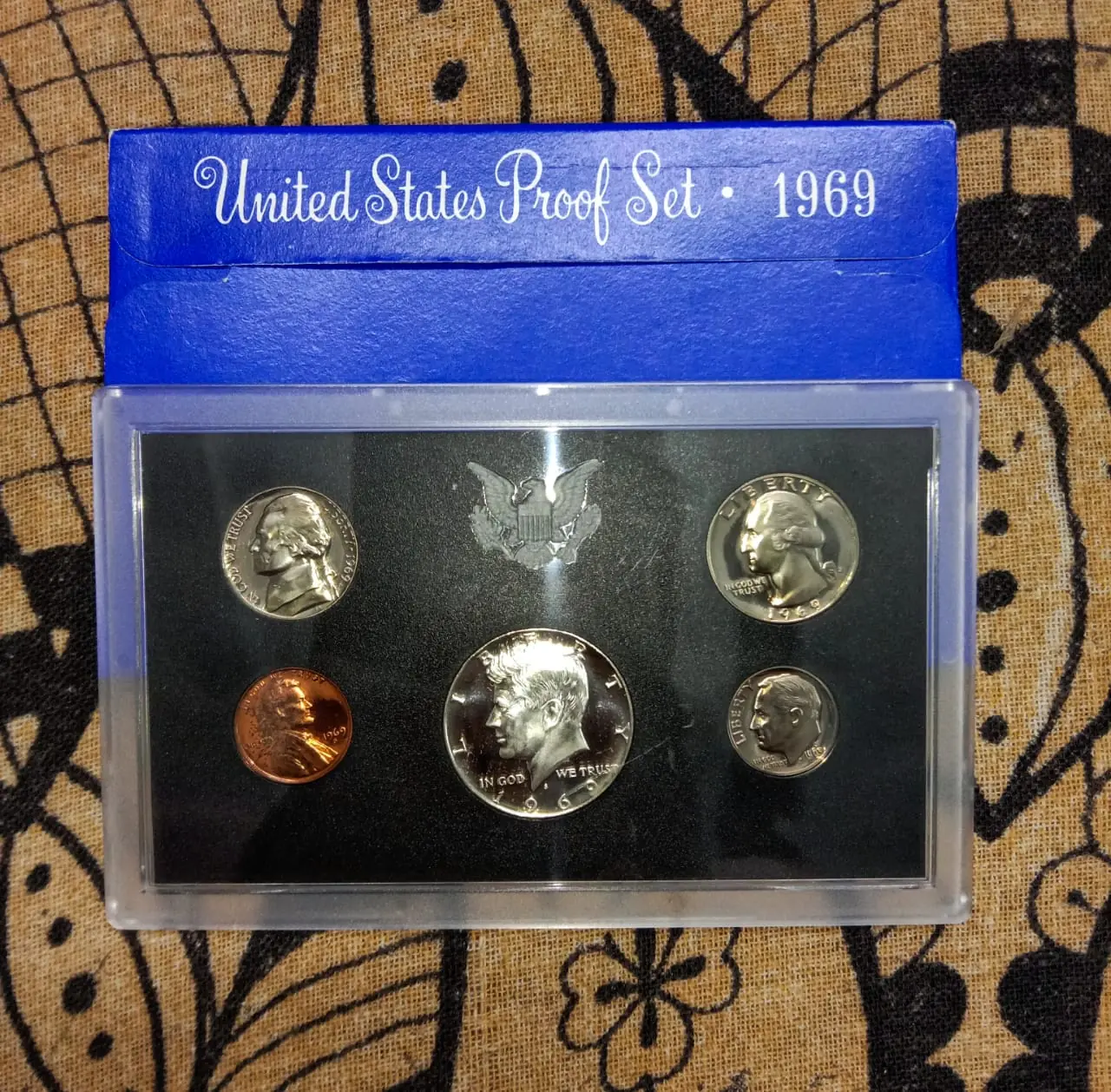
- Proof and mint sets from 1968 to 1970: The half dollars are 40% silver.
- Silver proof sets from 1992 on: The Mint started selling separate silver proof sets in 1992. They’re labeled as silver sets, and the dimes, quarters, and halves (and in some years the dollar) are silver.
Regular “clad” proof sets from 1968 onward, other than those half dollars through 1970, contain no silver.
Are Modern Proof Sets Worth More Than Face Value?
Yes, but often not by much. Millions of modern clad proof sets were made, and many of them sell today for less than the Mint originally charged. That surprises a lot of people, but it’s normal for something that was produced in large numbers for collectors.
There are exceptions. Some years had lower sales, and a few years have valuable varieties.
Valuable Varieties to Look For
A handful of proof sets have a coin that was missing its mint mark by mistake. These are rare and valuable:
- 1968-S, 1970-S, 1975-S, and 1983-S proof sets with a dime that has no S mint mark
- 1971-S proof sets with a nickel that has no S
- 1990-S proof sets with a cent that has no S
Also worth noting: Prestige proof sets (sold most years from 1983 to 1997) include a silver commemorative dollar and are worth more than regular sets from the same year. (More on those in my commemorative half dollar guide.)
Older Mint Sets
The earliest mint sets, from 1947 to 1958, were packaged as “double sets” in cardboard holders, with two of each coin. There were no official mint sets in 1950, 1982, or 1983. These early sets have good collector demand, especially if the original cardboard and coins are in nice shape.
Don’t Open Them
Please leave sets in their original Mint packaging. A set that’s been taken apart is harder to sell and usually worth less. Don’t wipe off haze or toning either. Older proof coins sometimes develop color in their packaging, and some collectors actually like it. Cleaning them always does more harm than good. (See should I clean my coins?)
Related: mistakes to avoid with an inherited coin collection, the junk silver guide, and Kennedy half dollars.
More guides: cameo and deep cameo proofs.
The Bottom Line
Proof sets and mint sets from 1964 and earlier have real silver value. Silver proof sets from 1992 on are worth more than clad sets. Most modern clad sets are common, though a few years and varieties are worth a lot. If you have a stack of sets, a quick look at the years is the best place to start.
Have a stack of proof sets or mint sets? JoCo Coin Shop offers honest, no-obligation appraisals across the Kansas City area. Contact me by phone, text, or email to get started.