How to Start Collecting Coins: A Beginner’s Guide
New to coin collecting? Here's how to pick a focus, what supplies you need, where to find coins, and the mistakes beginners should avoid.
Coin collecting is one of the easiest hobbies to start. You can begin with the change in your pocket, and it can grow into a lifelong interest in history, art, and precious metals. But the number of options can feel overwhelming at first.
Here’s how I’d suggest getting started.
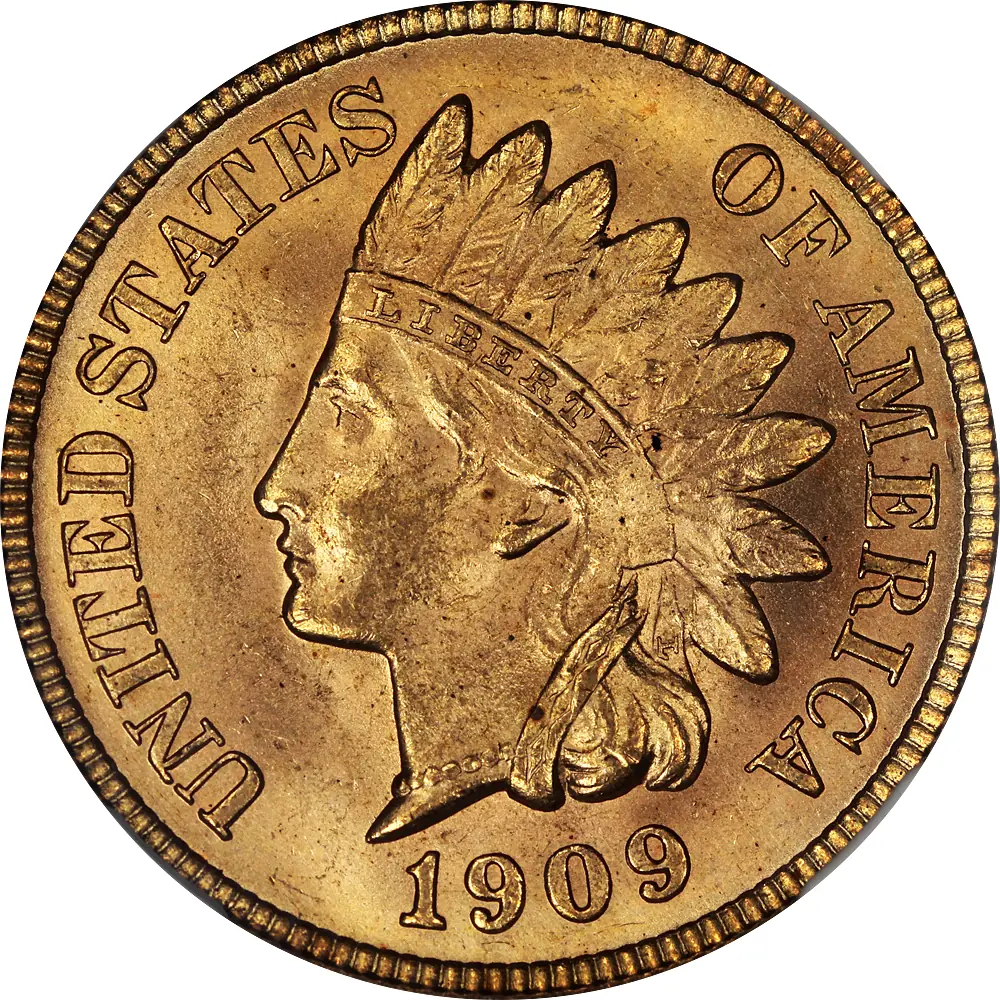
Step 1: Pick a Focus
Collectors who enjoy the hobby the most usually have a goal. A few popular starting points:
- One coin from every year: For example, a Lincoln cent or Jefferson nickel for every date since you were born.
- A complete series by date and mint: Like Lincoln Memorial cents or Roosevelt dimes. Coin folders make this easy.
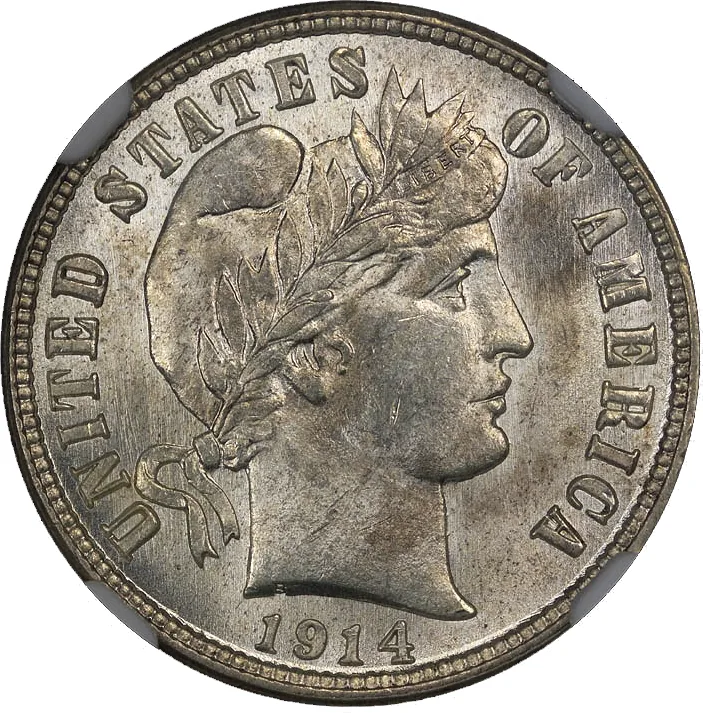
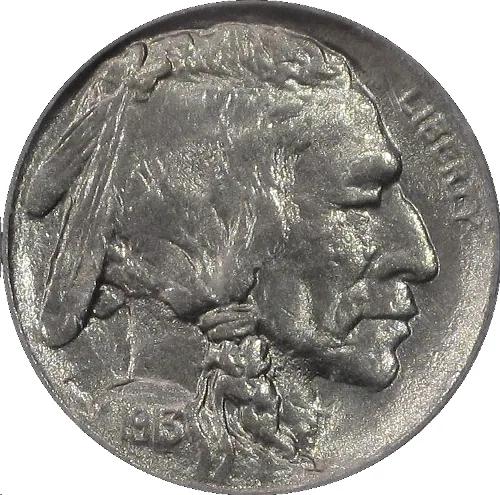
- A type set: One example of each major U.S. coin design, like a Mercury dime, a Buffalo nickel, or a Walking Liberty half dollar.
- Silver coins: Silver Eagles or 90% silver coins, if you like the metal side of things.
- Something you just love: Old Western coins, wartime coins, coins from the year your family arrived in the U.S. There are no rules.
Step 2: Get a Few Basic Supplies
You don’t need much:
- A magnifier. A 5x to 10x loupe is plenty.
- Coin folders or albums for the series you’re collecting.
- Safe holders like hard plastic capsules or cardboard 2x2s. Avoid soft vinyl flips. See my guide to storing coins safely.
- A reference book. A Guide Book of United States Coins (the “Red Book”) is published every year and lists dates, mintages, and approximate values for U.S. coins.
Step 3: Learn the Basics
A few things every beginner should learn early:
- Mint marks: The small letter that tells you where a coin was made. See where to find the mint mark.
- Grading: How condition affects value. See the 1 to 70 grading scale.
- Silver dates: U.S. dimes, quarters, and halves dated 1964 or earlier are 90% silver.
Step 4: Find Coins
- Pocket change: Still a great place to start, especially for kids.
- Bank rolls: Some collectors buy rolls of coins at face value from the bank and search them.
- Coin shows: A great place to see lots of coins and talk to dealers. Check my coin shows page.
- Local dealers: A good local dealer can help you find coins for your collection and answer questions.
- Trusted online sellers: Buy from sellers with a long track record and a clear return policy. I list coins for sale in my eBay store.
Mistakes to Avoid
- Cleaning coins. It lowers their value. Always.
- Buying “too good to be true” deals online. Fake coins and fake graded holders are common on some websites and marketplaces.
- Buying collectible coins from TV ads without comparing prices. Many heavily advertised “limited edition” items sell for much more than they’re worth on the open market.
- Spending a lot before learning. Start small, learn as you go, and buy the book before the coin.
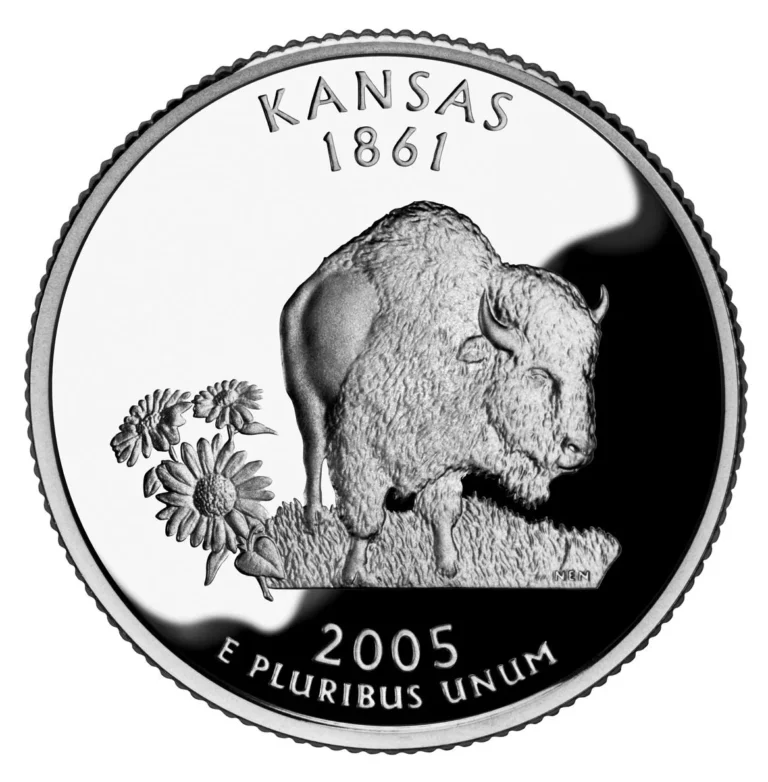
More guides: coin collecting terms, wheat pennies, state quarters.
The Bottom Line
Start with a focus you enjoy, a magnifier, a few holders, and a good reference book. Learn mint marks and grading, search your change, and buy from people you trust. The best collections are built slowly.
Looking for coins to start your collection? I sell coins as well as buy them. Browse what I have listed in my eBay store, or contact me by phone, text, or email with questions about getting started.