How to Tell If a Coin Is Silver: 5 Easy Checks
Is your coin real silver? Five simple checks (date, edge, weight, magnet, and markings) that help you spot silver coins without damaging them.
“Is this silver?” might be the question I hear most. The good news is that for U.S. coins, you can usually answer it in a few seconds, and you don’t need any chemicals or special tools. Here are five easy checks.
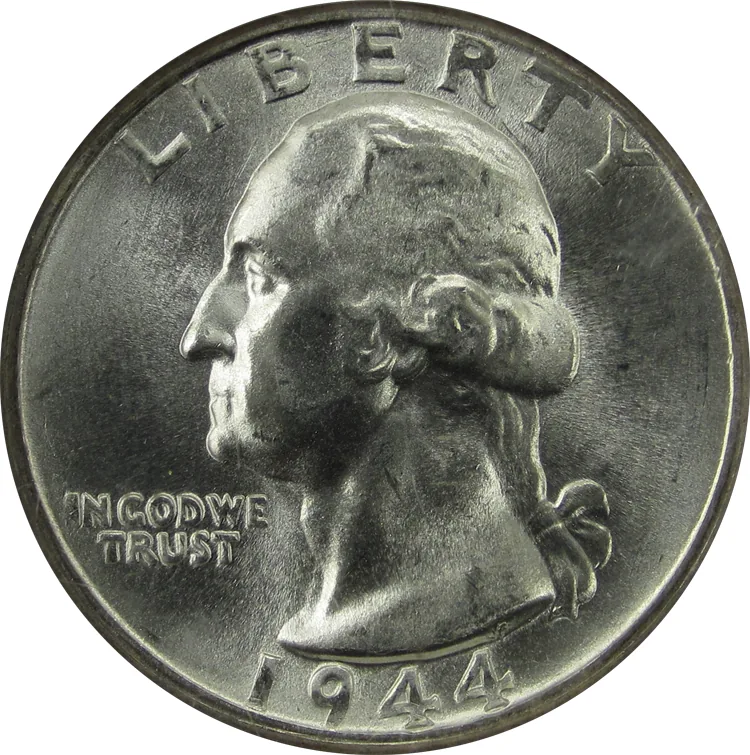
1. Check the Date
For U.S. coins, the date is the fastest test:
- Dimes, quarters, and half dollars dated 1964 or earlier are 90% silver.
- Half dollars dated 1965 to 1970 are 40% silver. See which Kennedy halves are silver.
- Nickels dated 1942 to 1945 with a large mint mark above Monticello are 35% silver. See my wartime nickels guide.
- Silver dollars (Morgan and Peace, 1878 to 1935) are 90% silver.
- Pennies are never silver. The silver-colored 1943 cents are steel (see the 1943 copper penny).
For a few other countries:
- Canada: dimes, quarters, halves, and dollars dated 1966 or earlier are 80% silver.
- Great Britain: coins dated 1919 or earlier are 92.5% silver, and 1920 to 1946 coins are 50% silver. More in are old foreign coins worth anything?
2. Look at the Edge
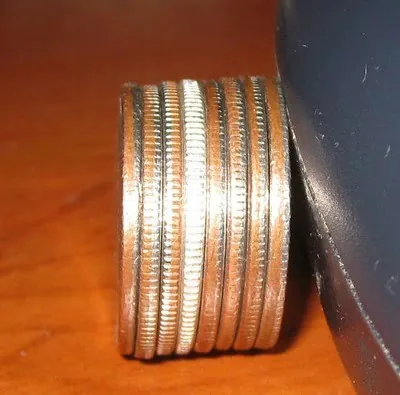
Modern U.S. clad coins have a visible copper stripe on the edge, like a sandwich. A 90% silver coin has a solid silver-gray edge with no stripe. A 40% silver half dollar has a faint, light stripe.
This is a great way to quickly sort through a jar of quarters or dimes.
3. Weigh It
A small digital scale that reads to 0.01 grams is a great tool. Silver coins weigh more than their clad replacements:
| Coin | 90% silver | Clad |
|---|---|---|
| Dime | 2.50 g | 2.27 g |
| Quarter | 6.25 g | 5.67 g |
| Half dollar | 12.50 g | 11.34 g |
Worn coins weigh a little less than new ones, but the difference between silver and clad is still clear.
4. Try a Magnet
Silver isn’t magnetic. If a strong magnet sticks to a “silver” coin or bar, it isn’t silver. This catches many fakes made with steel cores. (See counterfeit silver and gold warning signs.)
Keep in mind, though, that passing the magnet test doesn’t prove a coin is silver. Copper, nickel alloys, and many other metals used in fakes aren’t magnetic either.
5. Look for Markings
Bullion coins and bars are usually marked with their weight and purity, like 1 OZ .999 FINE SILVER. Jewelry and silverware use stamps like 925 or STERLING (gold uses karat stamps; see what karat stamps mean). Words like “silver plate,” “EPNS,” or “silver-clad” mean there’s only a thin layer of silver.
What Not to Do
- Don’t use acid tests or scratch coins. You can damage a coin that has collector value.
- Don’t clean coins to “see if they’re silver.” Cleaning lowers value.
- Don’t trust color alone. Silver coins can tone gold, blue, or even black, and some fakes look very shiny.
The Bottom Line
For U.S. coins, check the date first, then the edge. A scale and a magnet catch most of the rest. If something still doesn’t add up, it’s worth having someone take a look in person.
Have coins you think might be silver? JoCo Coin Shop offers honest, no-obligation appraisals across the Kansas City area. Contact me by phone, text, or email to get started.