Fake Silver and Gold Coins: 7 Warning Signs Before You Buy
Counterfeit Morgan dollars, Silver Eagles, gold coins, and bars are everywhere online. Here are seven warning signs to watch for before you buy.
Counterfeit coins have become a big problem, especially on online marketplaces and social media. Fake Morgan dollars, Silver Eagles, gold coins, and bullion bars are made overseas by the thousands and sold to people who think they’re getting a deal. Some fakes are crude; others are good enough to fool casual buyers.
Here are seven warning signs.
1. The Price Is Too Good to Be True
This is the biggest red flag. Nobody sells real silver or gold well below the metal’s value. If a “1 oz silver” coin is priced far under the silver price, or a rare date is offered for a fraction of what it normally brings, assume it’s fake.
2. The Seller Has Lots of the “Same Rare Coin”
A seller with a stack of 1893-S Morgans or a dozen high-grade gold coins at bargain prices is almost certainly selling fakes. Real scarce coins don’t come in bulk.
3. The Weight or Size Is Off
Every real coin has a set weight and diameter. A Morgan dollar should weigh 26.73 grams; a Silver Eagle should weigh 31.1 grams. A gram scale and a simple caliper catch many fakes. Be aware that the best gold fakes use tungsten, which weighs almost the same as gold, so weight alone isn’t proof.
4. It Sticks to a Magnet
Silver and gold aren’t magnetic. If a magnet sticks, the coin or bar isn’t what it claims to be. Passing the magnet test doesn’t prove it’s real, but failing it proves it’s fake.
5. The Details Look Soft, Mushy, or “Off”
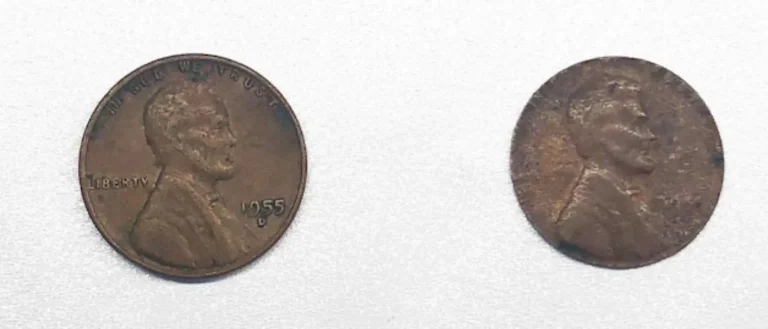
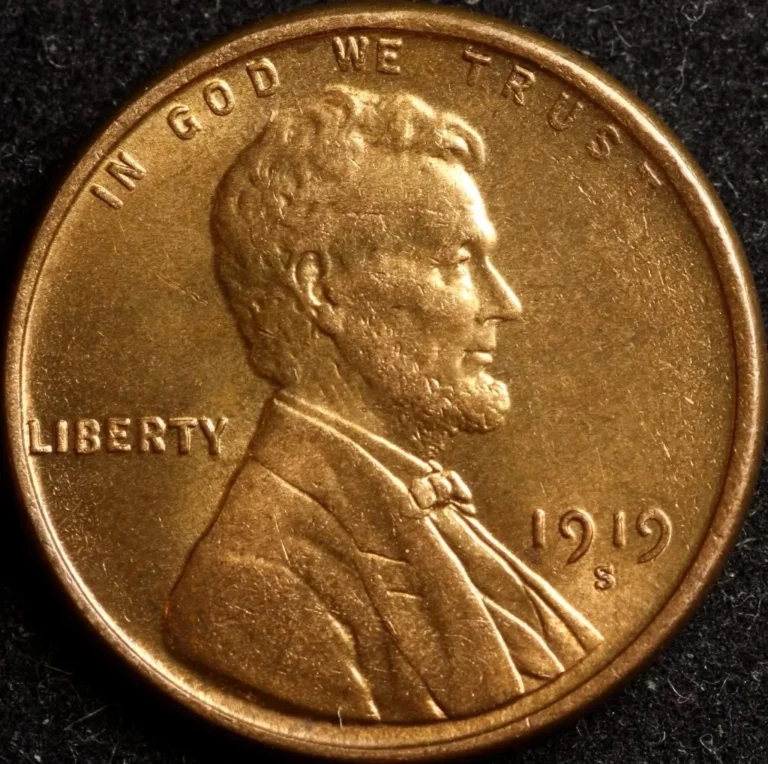
Many fakes have soft details, odd lettering, grainy surfaces, or small bumps and pits. Compare the coin to photos of genuine examples. Also check that the date actually exists: counterfeiters sometimes make coins with dates or mint marks that were never made.
6. The Graded Holder Looks Wrong
Counterfeiters now fake the plastic holders used by grading companies like PCGS and NGC too. Check the certification number on the grading company’s website. The coin, grade, and photos should match. Also look for poorly printed labels, wrong fonts, or holders that look tampered with.
7. The Seller Won’t Stand Behind It
A reputable dealer guarantees that what they sell is genuine. Be cautious of sellers who are anonymous, refuse returns, or push you to pay with methods that can’t be reversed.
Common Fakes I’d Watch For
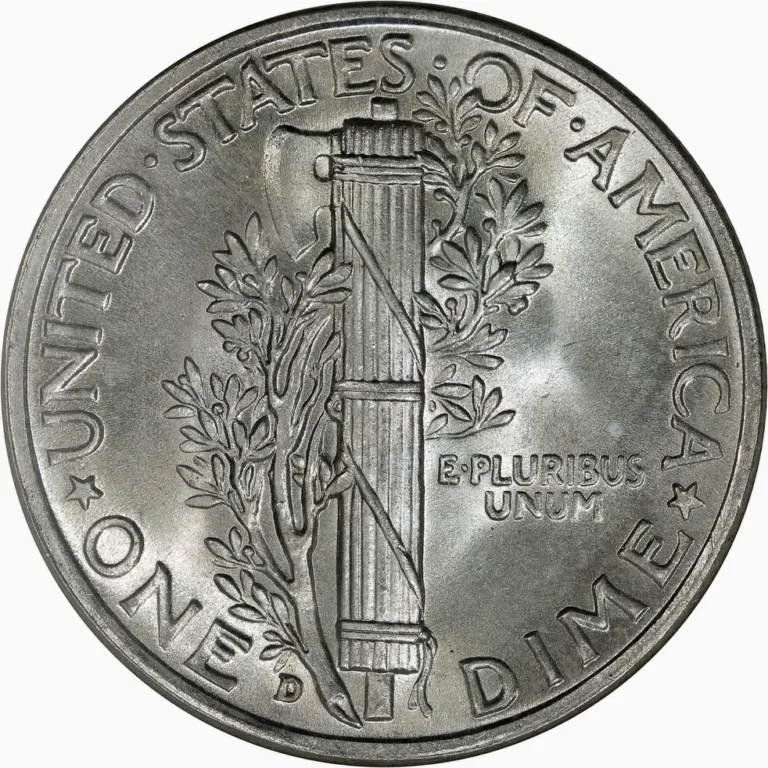
- Morgan and Peace dollars, especially key dates and Carson City coins
- Trade dollars (an older U.S. silver coin that is widely faked)
- American Silver Eagles
- U.S. $20, $10, and $5 gold coins (see selling gold coins)
- Generic silver and gold bars, especially from unfamiliar or fake brands
Related: how to tell if a coin is silver, fake gold on Facebook, and Silver Eagles vs. generic rounds and bars.
More guides: how to buy coins on eBay safely.
The Bottom Line
The best defense is simple: buy from people you can find again, and be skeptical of deals that look too good. Counterfeit coins have no collector value and no metal value worth mentioning. I don’t buy them, but if you’re not sure whether a coin is genuine, I’m glad to give you an honest opinion.
Not sure if your coin is real? JoCo Coin Shop offers honest, no-obligation appraisals across the Kansas City area. Contact me by phone, text, or email to get started.