Should I Get My Coins Graded? When PCGS or NGC Grading Makes Sense
Professional coin grading costs money and takes time. Here's when grading by PCGS or NGC makes sense, and when it doesn't.
Many people who inherit or find coins wonder whether they should send them to a grading company. Professional grading can add real value to the right coin, but it costs money, takes time, and isn’t worth it for most coins. Here’s how to decide.
What Grading Companies Do
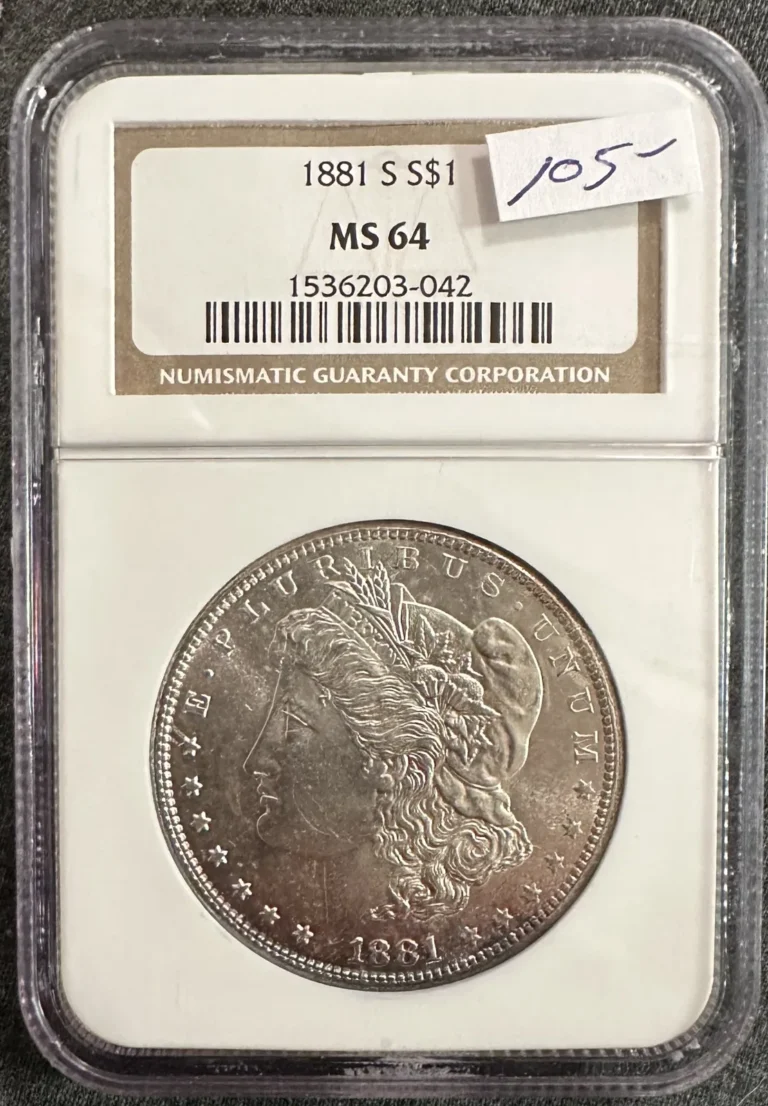
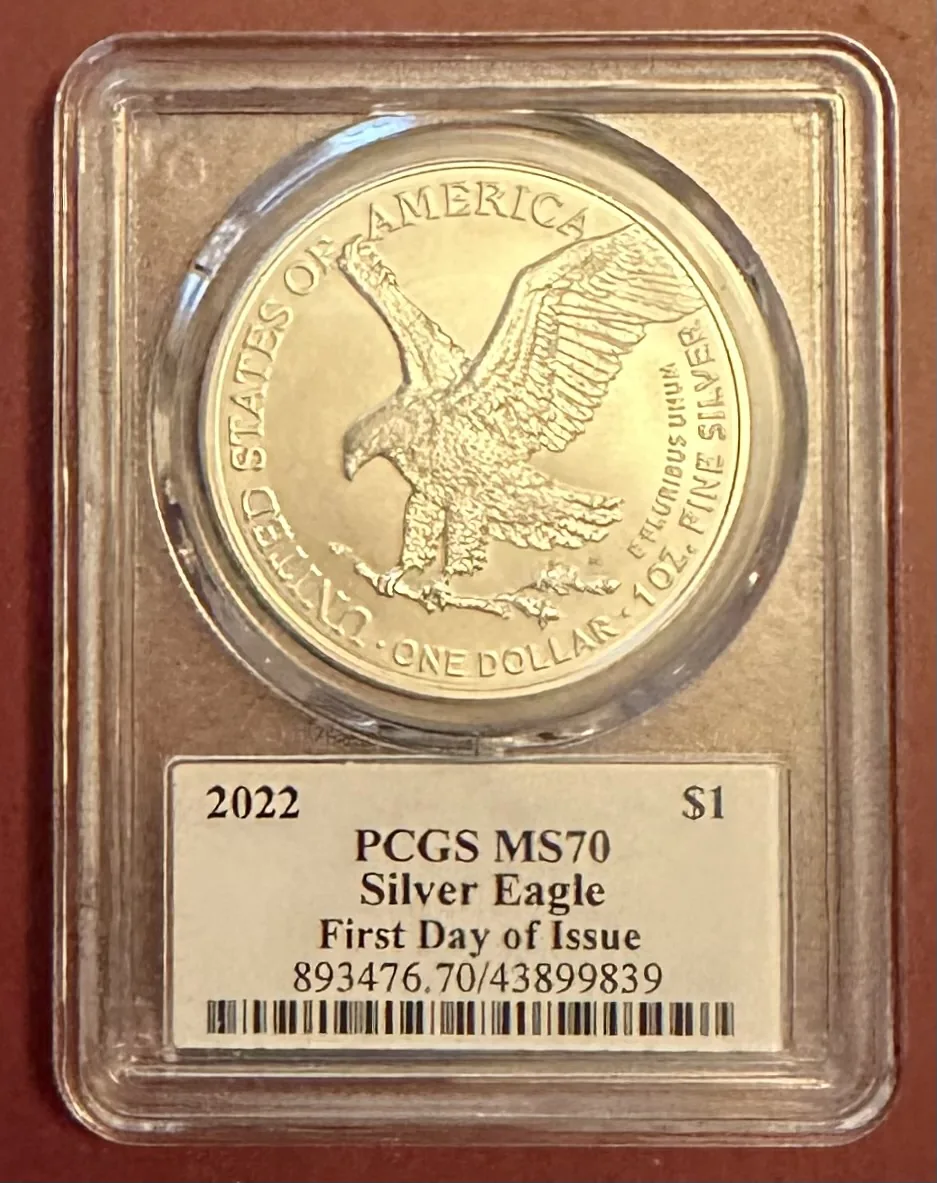
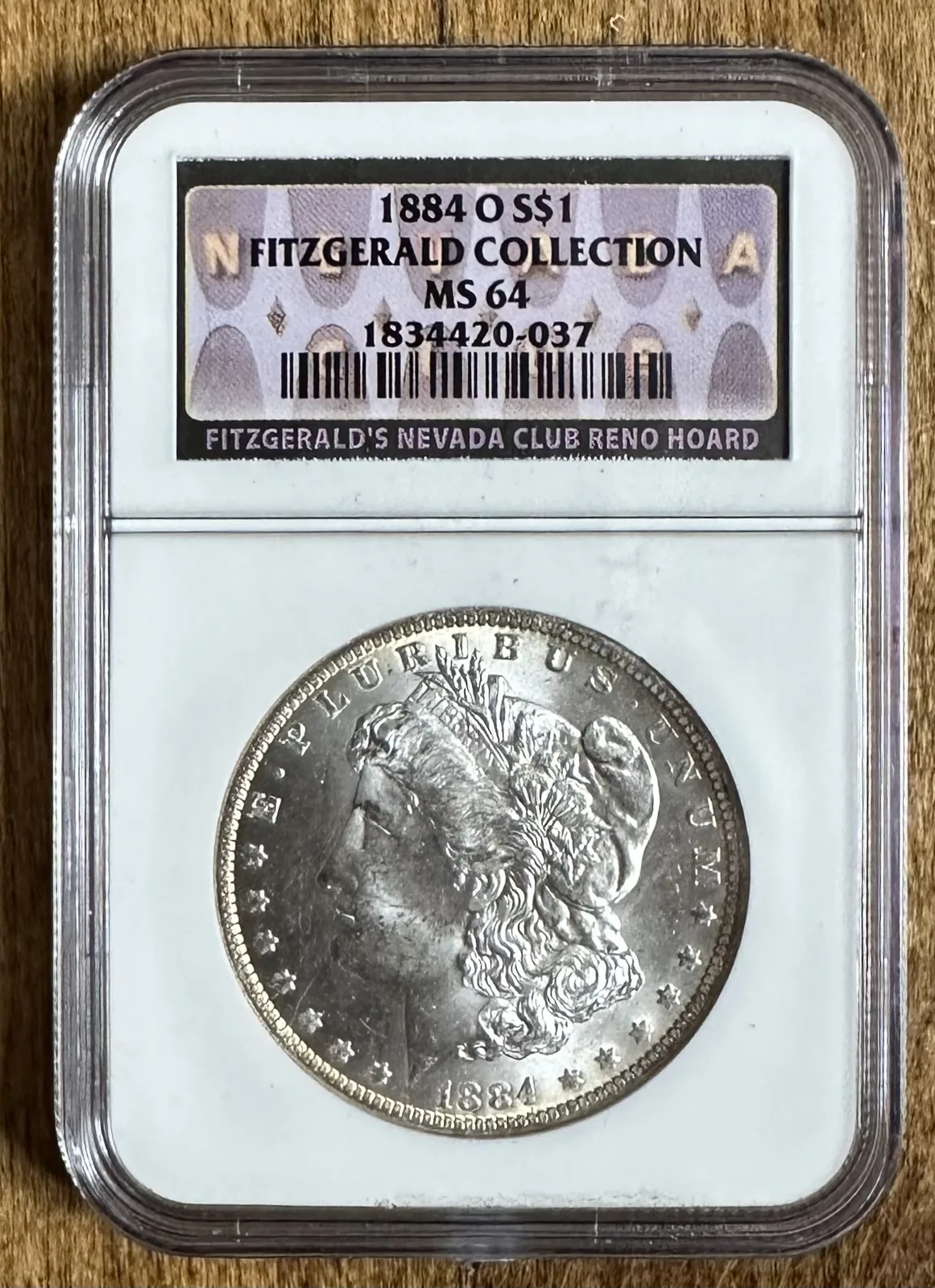
Companies like PCGS (Professional Coin Grading Service) and NGC (Numismatic Guaranty Company) examine coins, confirm they’re genuine, assign a grade on the 1 to 70 scale, and seal them in a tamper-evident plastic holder with a label. (For more, see the grading scale explained.)
Their grades are widely trusted, which makes graded coins easier to buy and sell, especially online.
When Grading Usually Makes Sense
- Key dates and valuable coins, like a 1909-S VDB cent or an 1893-S Morgan. Authentication protects both buyer and seller.
- Coins in very high grades, where a single point can change the value a lot.
- Significant errors and varieties, like a 1955 doubled die, that need to be confirmed.
- Coins you plan to sell online, where buyers can’t see them in person.
- Coins that are commonly faked, where authentication is the main value.
When It Usually Doesn’t
- Common-date, circulated coins. The fee can be more than the coin is worth.
- Junk silver and most bullion. It trades on silver content.
- Cleaned or damaged coins. They’ll come back with a “details” grade (like “Cleaned”), which doesn’t add much value.
- Most modern proof and mint sets. Unless it’s a known variety, they’re usually worth more left in their original packaging.
Costs and Time
Grading isn’t free. There’s a fee per coin that depends on the coin’s value and how fast you want it back, plus shipping and insurance both ways. Turnaround can take weeks or months. To submit directly, you usually need a membership with the grading company; you can also submit through a dealer who’s an authorized submitter.
Ask Before You Submit
Before you pay to grade a coin, it’s worth getting an honest opinion about:
- Whether the coin is genuine
- Whether it has been cleaned or damaged
- Roughly what grade it might get
- Whether the likely grade makes the cost worthwhile
More guides: coin collecting terms, inherited collection mistakes.
The Bottom Line
Grading makes sense for valuable, high-grade, commonly faked, or error coins. For common circulated coins, bullion, and cleaned coins, it usually doesn’t. An honest opinion before you submit can save you money.
Wondering if a coin is worth grading? JoCo Coin Shop offers honest, no-obligation appraisals across the Kansas City area. Contact me by phone, text, or email to get started.