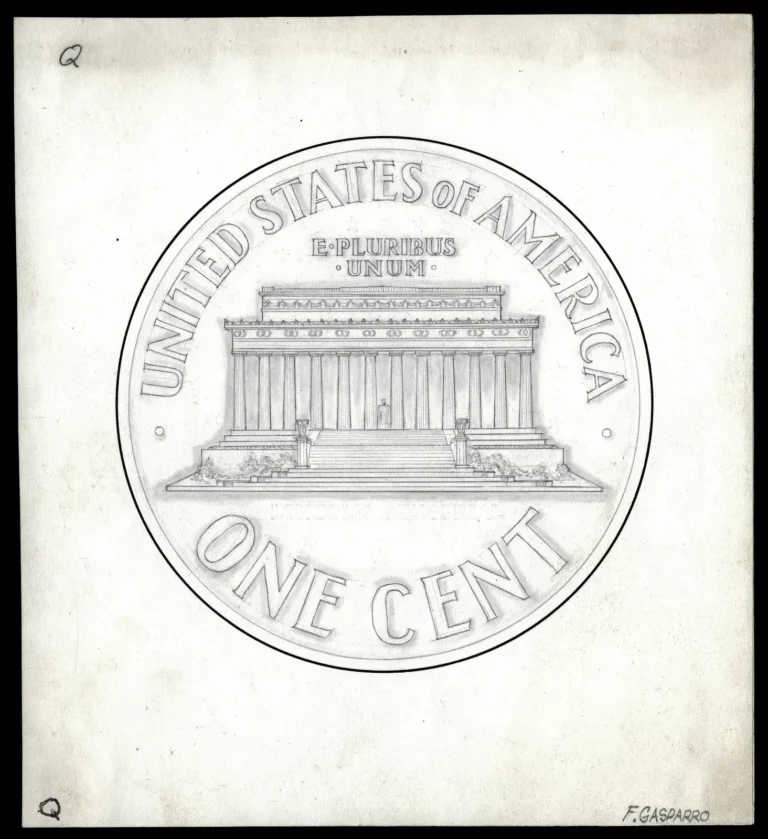
1982 Pennies: Copper or Zinc? How to Tell the 7 Varieties
In 1982 the penny changed from copper to zinc. Here's how to tell the difference with a simple scale, and what the seven 1982 varieties are.
Honest answers from a Kansas City coin dealer: what's real, what's damage, what it's worth, and how to take care of it.
In 1982 the penny changed from copper to zinc. Here's how to tell the difference with a simple scale, and what the seven 1982 varieties are.
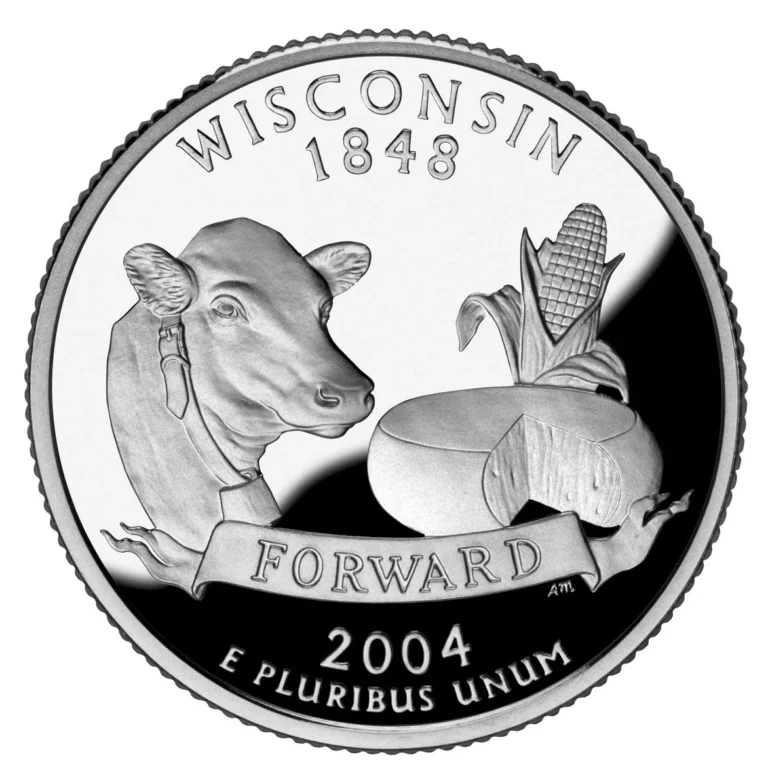
A realistic list of error coins and varieties you can still find in circulation, plus the common 'errors' that are really just damage.
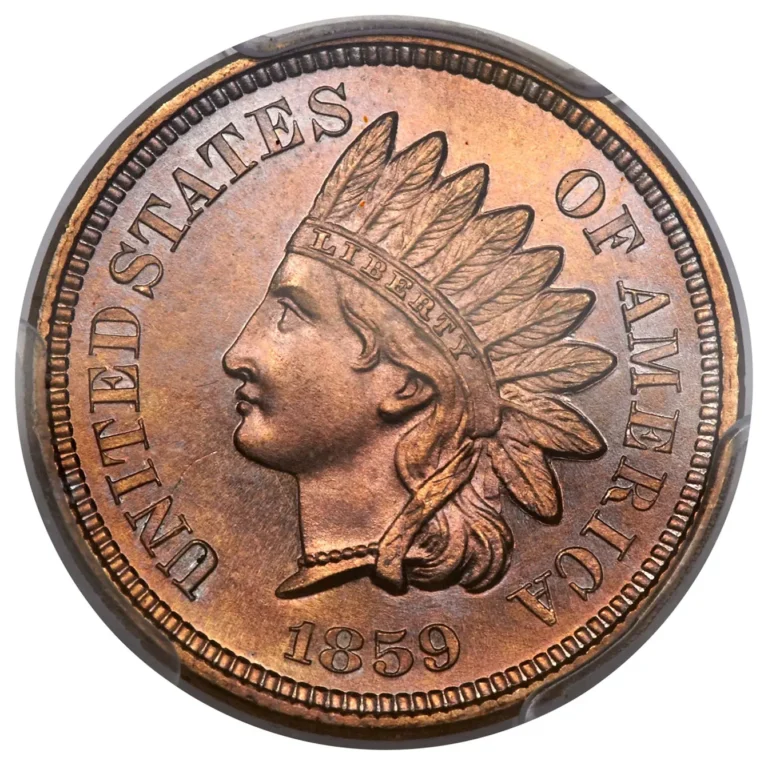
Proof coins have mirror-like fields and frosted designs; uncirculated coins are regular coins that were never used. Here's how to tell them apart.
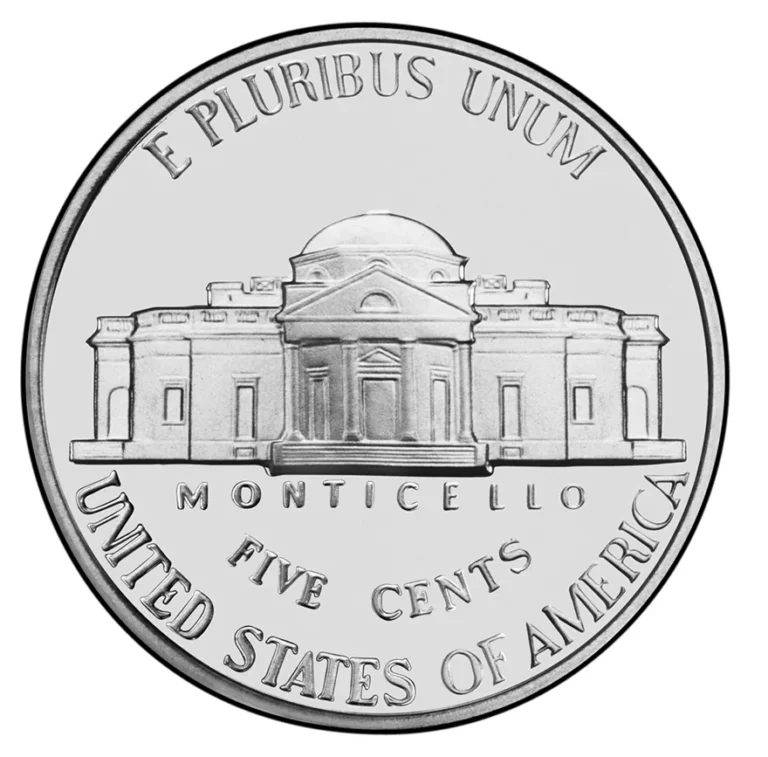
Most Jefferson nickels are worth five cents, but some dates, the silver war nickels, and Full Steps coins are worth more. Here's what to check.
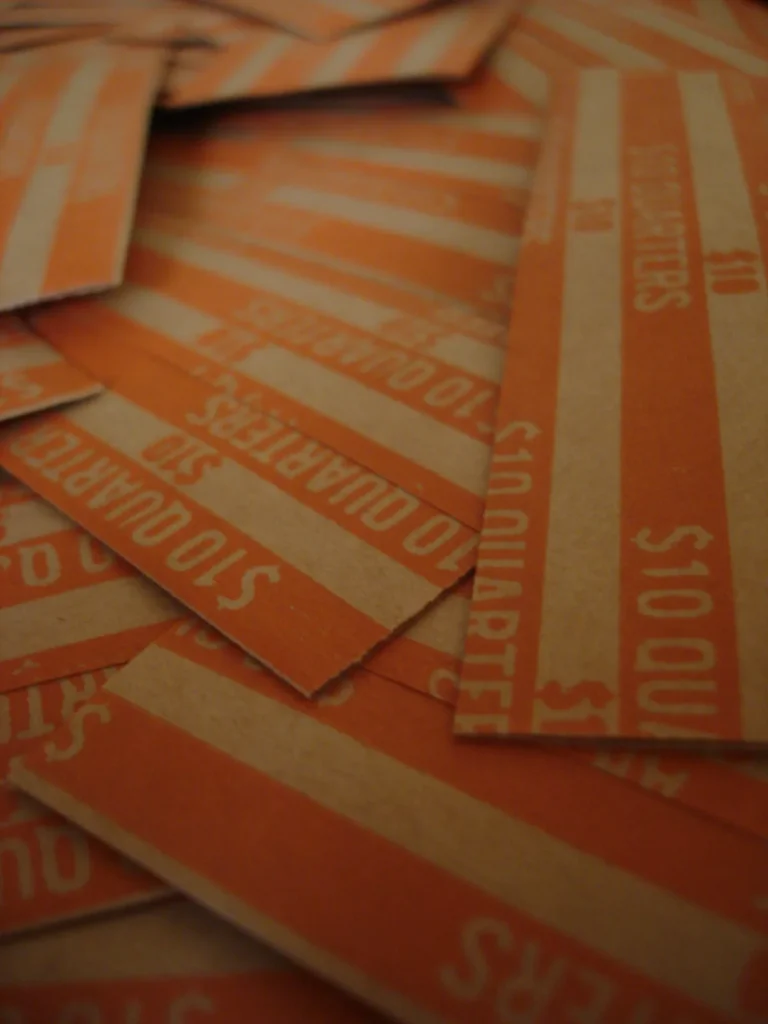
Coin roll hunting is a cheap, fun way to find silver and rare coins. Here's how to get rolls, what to look for in each denomination, and tips to start.
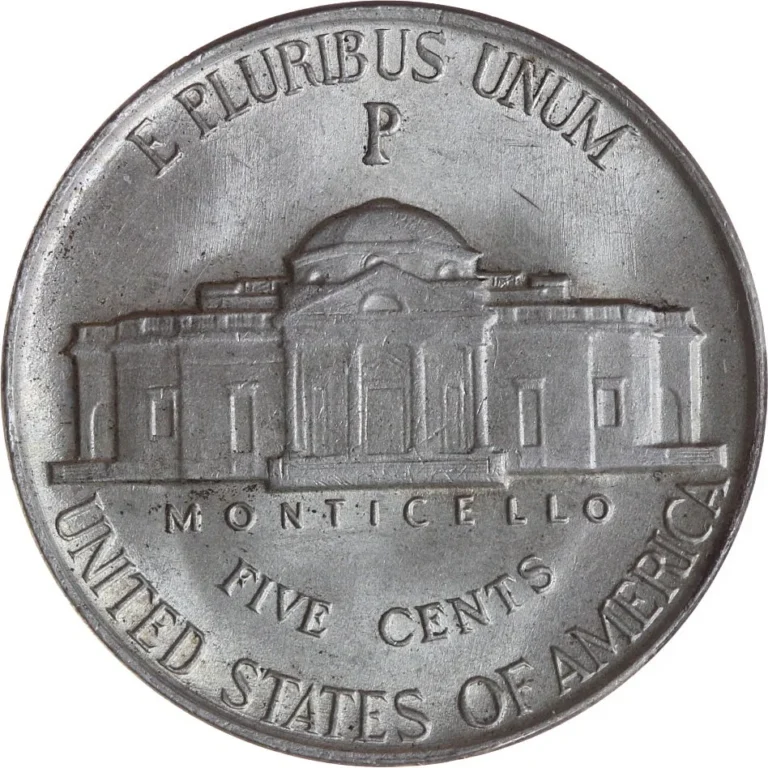
Did you know nickels made during WWII contain real silver? Learn how to spot 1942–1945 35% silver 'War Nickels' by their giant mint mark.
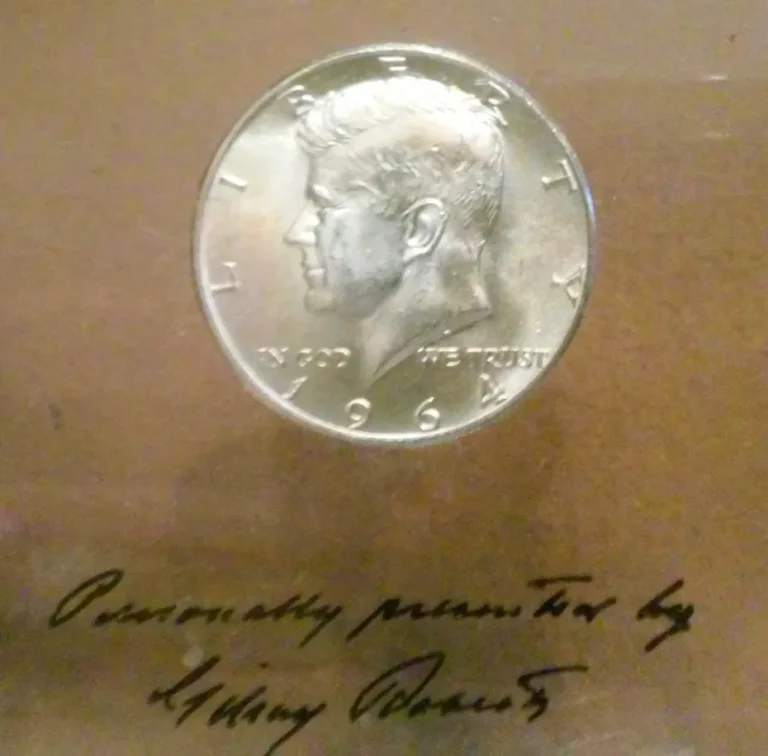
1964 Kennedy halves are 90% silver, 1965 to 1970 are 40% silver, and later ones are clad. Here's how to tell them apart and what to look for.
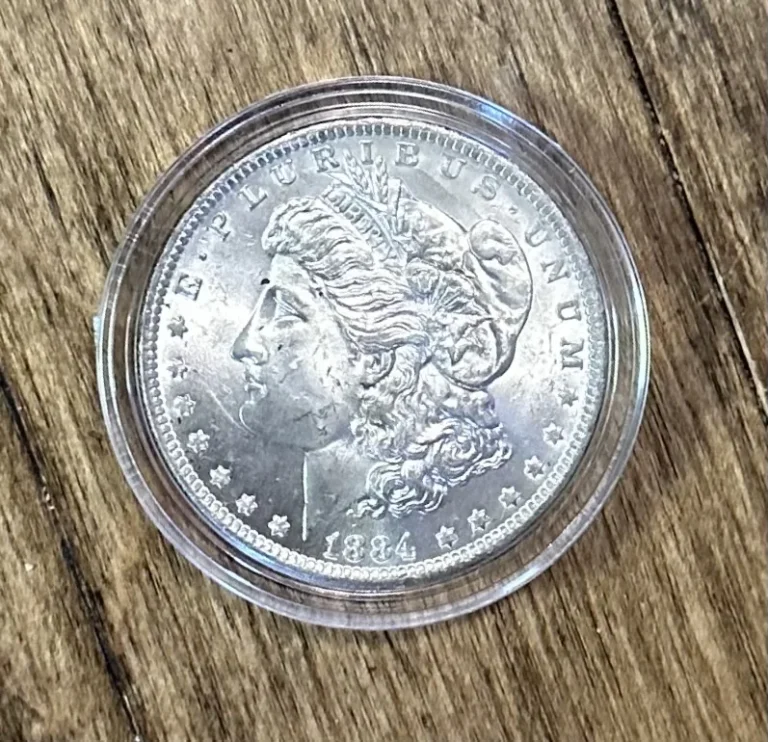
The wrong holder can ruin a coin. Learn the safest ways to store coins, why old soft plastic flips are a problem, and how to handle coins properly.
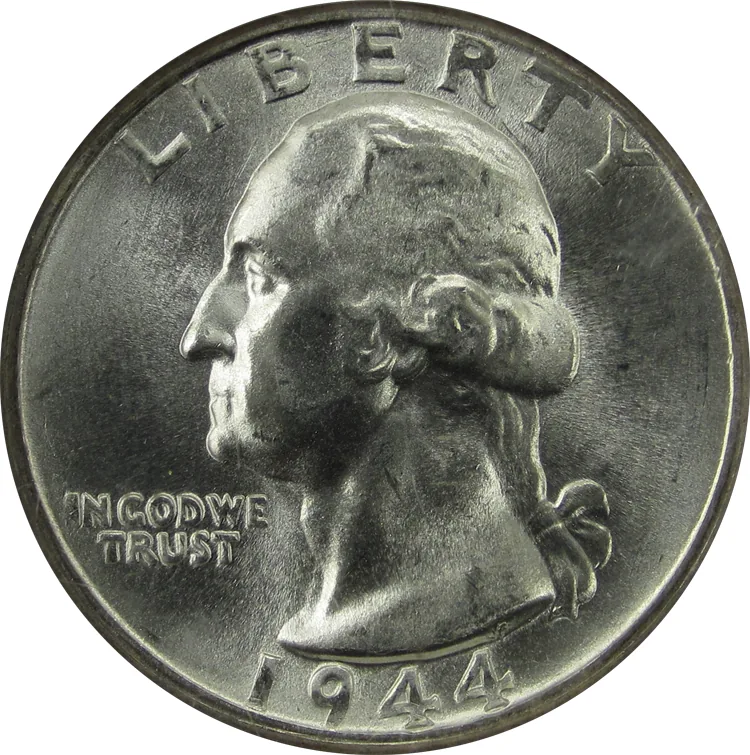
Is your coin real silver? Five simple checks (date, edge, weight, magnet, and markings) that help you spot silver coins without damaging them.
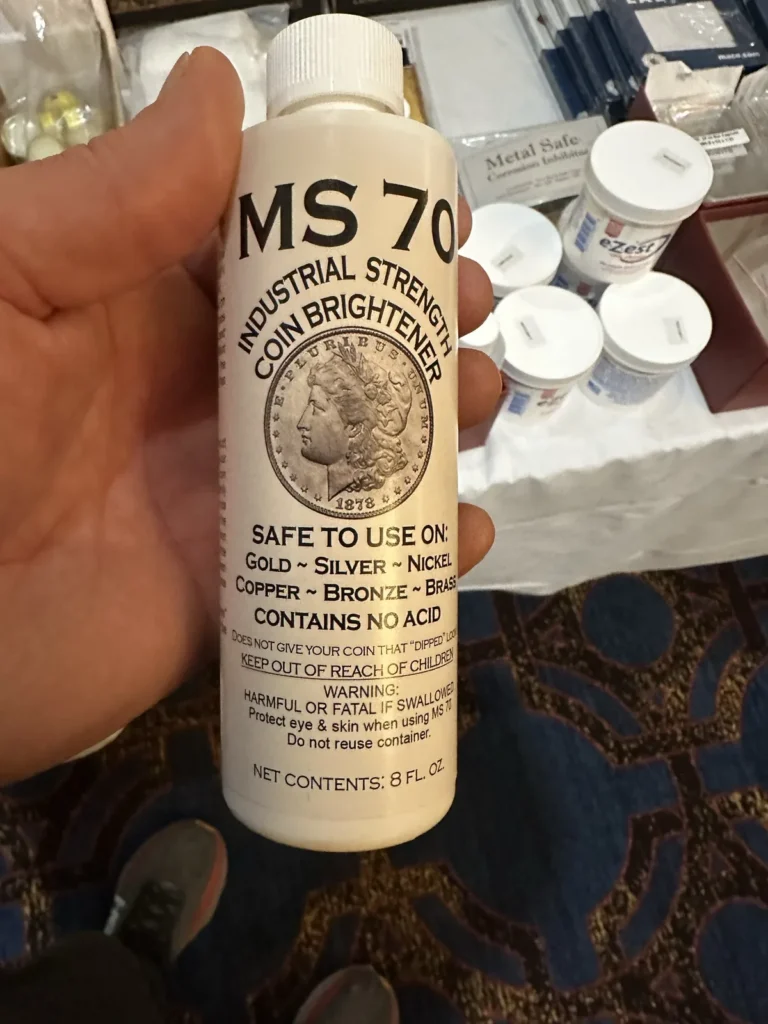
Cleaning coins almost always lowers their value. Here's why, how dealers spot a cleaned coin, and what to do instead with dirty or toned coins.
Join the JoCo Coin Shop email list for the latest deals and fresh finds as they come in. Unsubscribe anytime.