Proof vs. Uncirculated Coins: What’s the Difference?
Proof coins have mirror-like fields and frosted designs; uncirculated coins are regular coins that were never used. Here's how to tell them apart.
“Proof” and “uncirculated” are two of the most common words in coin collecting, and they’re easy to mix up. Both describe coins in top condition, but they’re made in different ways and for different purposes.
What Is a Proof Coin?
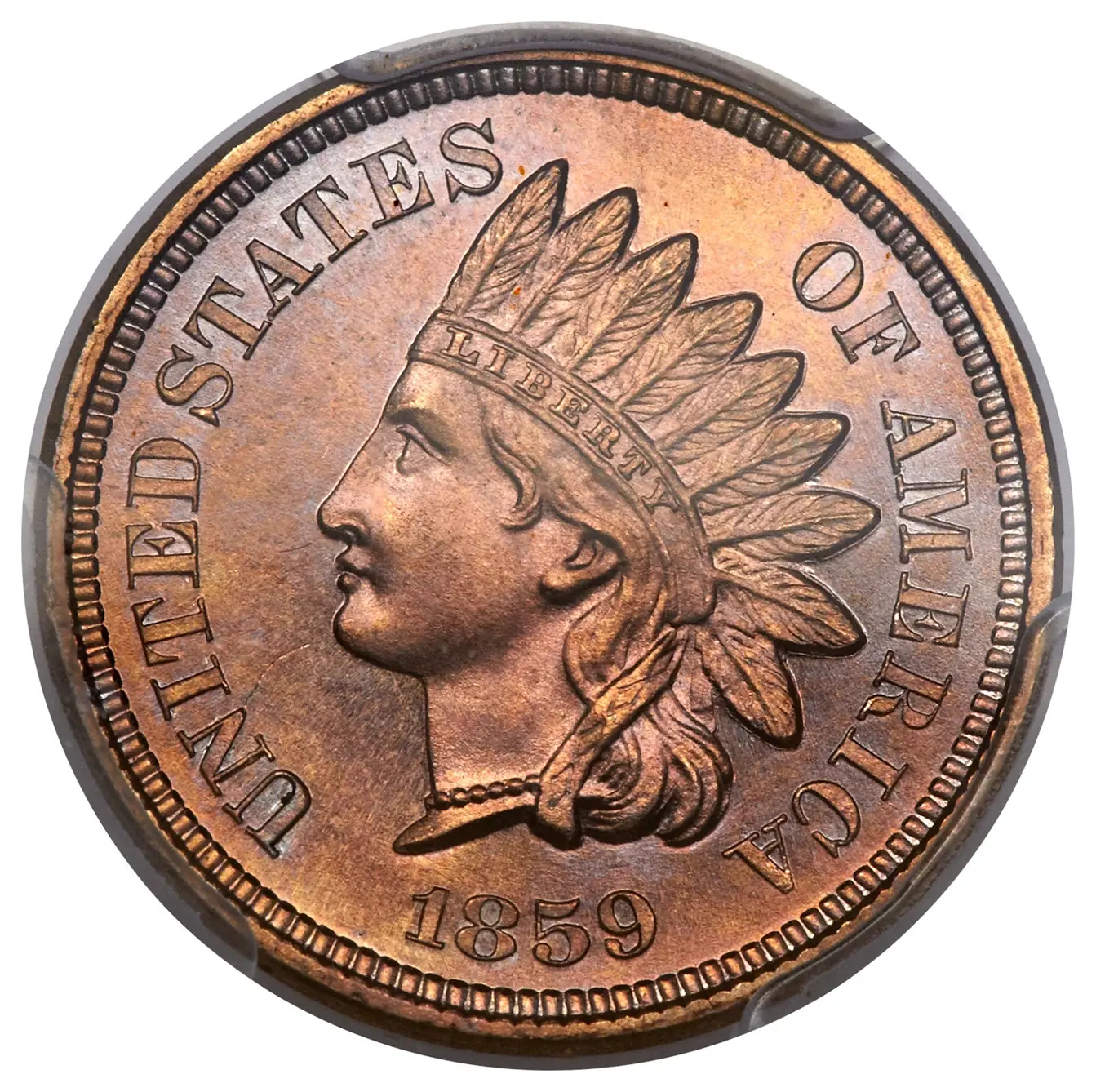
A proof is a coin made specially for collectors. It isn’t a grade; it’s a way of making the coin:
- The dies are polished to a mirror finish.
- The blanks are polished before striking.
- Each coin is struck more than once at higher pressure, bringing out sharp detail.
- Coins are handled carefully and packaged right away.
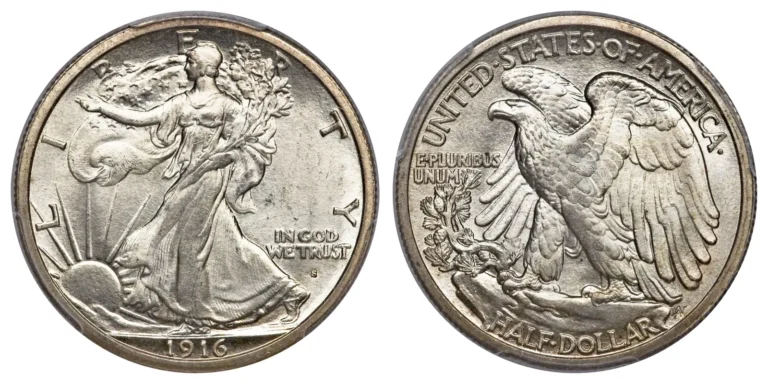
The result is a coin with mirror-like flat areas (the fields) and sharp designs. On modern proofs, the raised design is usually frosted, creating a striking contrast.
Cameo and Deep Cameo
When the frosted design stands out strongly against mirror fields, the coin is called a Cameo. When the contrast is especially strong, PCGS calls it Deep Cameo and NGC calls it Ultra Cameo. These can bring a premium, especially on older proofs.
What Is an Uncirculated Coin?
An uncirculated coin is a regular coin that was never used as money. It has no wear from circulation. Uncirculated coins can come from:
- Bank rolls and bags of new coins
- Mint sets sold to collectors (see are old proof sets and mint sets worth anything?)
- Bullion coins like regular Silver Eagles
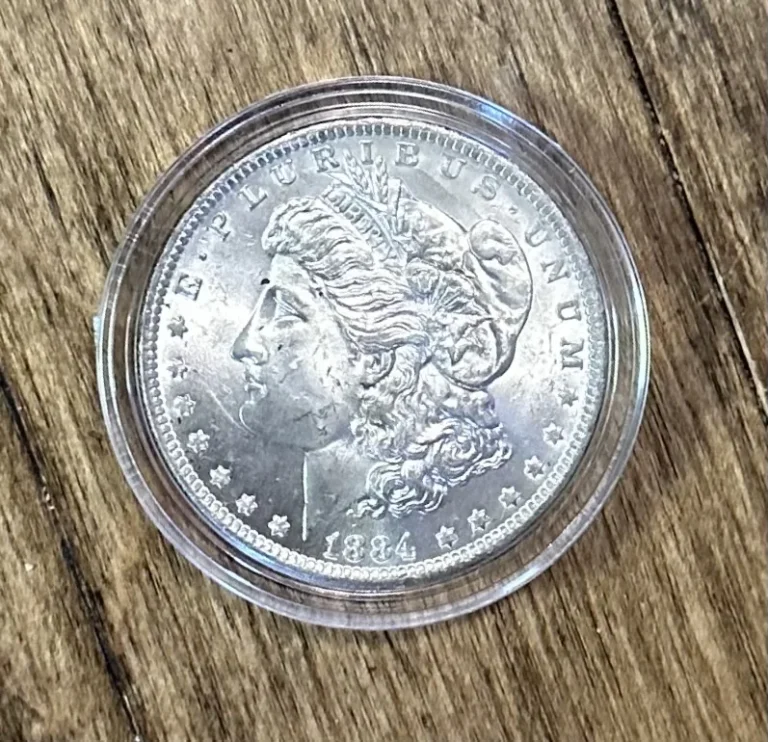
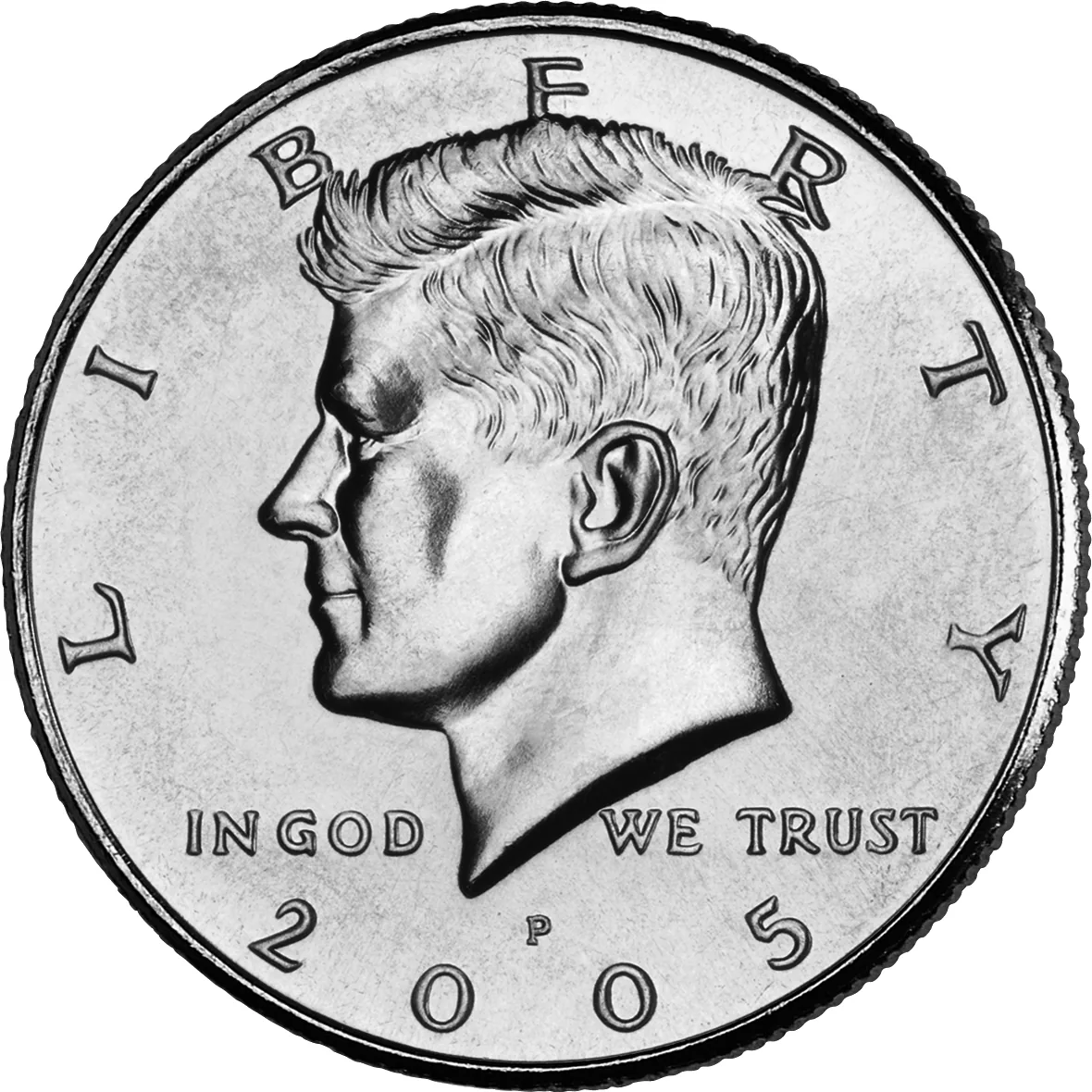
Uncirculated coins have a satiny or frosty shine called luster, not a mirror finish. Collectors often call nice ones “BU” (Brilliant Uncirculated).
How Grades Are Written
Both use the same 1 to 70 scale (see the grading scale explained), but with different letters:
- MS-65 = Mint State (uncirculated) 65
- PR-65 or PF-65 = Proof 65
A proof that’s been handled or carried may have wear, and it’s then called an “impaired proof.”
Other Special Finishes
- Burnished uncirculated: Some collector coins, like certain Silver Eagles with a W mint mark, are struck on burnished blanks for a satiny finish. (See Silver Eagle key dates.)
- Reverse proof: The opposite of a normal proof, with frosted fields and mirror-like designs.
- Special Mint Sets (1965 to 1967): A semi-proof finish made while regular proof sets were paused.
How to Tell Which You Have
- Mirror-like background? Probably a proof.
- Satiny or frosty shine with no mirror? Probably uncirculated.
- Came in a hard plastic Mint case with an S mint mark? Almost certainly a proof.
- Came in a soft plastic Mint set or a bank roll? Uncirculated.
More guides: cameo and deep cameo proofs, how to send coins to PCGS.
The Bottom Line
Proofs are specially made for collectors, with mirror fields and sharp, often frosted designs. Uncirculated coins are regular coins that were never spent. Both can be valuable, and both should be stored safely, handled by the edges, and left uncleaned.
Have proof or uncirculated coins? JoCo Coin Shop offers honest, no-obligation appraisals across the Kansas City area. Contact me by phone, text, or email to get started.