Buying Silver for the First Time: Coins, Rounds, Bars, and Junk Silver
New to buying silver? Here's a plain-English guide to junk silver, Silver Eagles, rounds, and bars, plus premiums, storage, and avoiding fakes.
A lot of people are curious about owning some physical silver but don’t know where to start. Coins, rounds, bars, “junk silver”: it can feel like a whole new language. Here’s a simple guide to the main choices and what to think about before you buy.
The Main Kinds of Silver
Junk silver (90% U.S. coins)
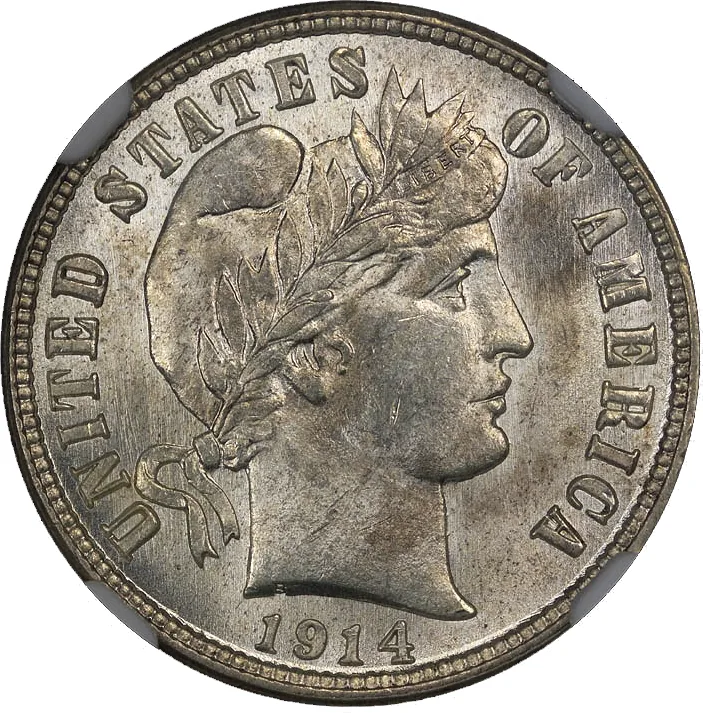
U.S. dimes, quarters, and half dollars dated 1964 or earlier are 90% silver. They’re recognizable, come in small sizes, and are easy to trade. Every $1.00 in face value contains about 0.715 troy ounces of silver. See my junk silver guide.
Government bullion coins
These are made by national mints and guaranteed for weight and purity:
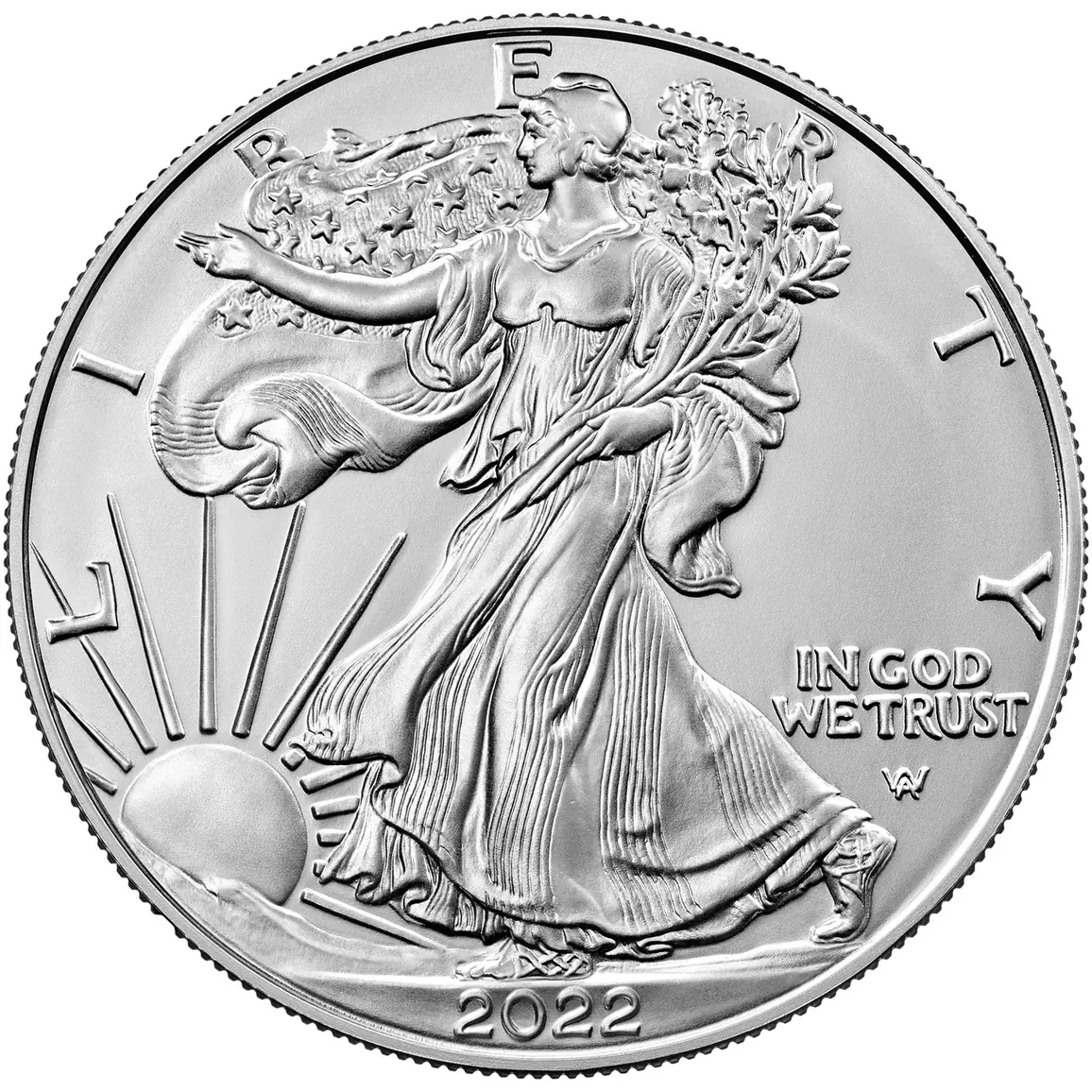
- American Silver Eagle: 1 oz of .999 fine silver, made by the U.S. Mint since 1986
- Canadian Silver Maple Leaf: 1 oz of .9999 fine silver
- Others, like the Austrian Philharmonic and British Britannia
They usually cost a bit more than other silver, but they’re very easy to resell.
Rounds
Rounds are coin-shaped pieces of silver made by private mints, usually 1 oz of .999 silver. They aren’t money, so they don’t have a face value. They usually cost less over the silver price than government coins.
Bars
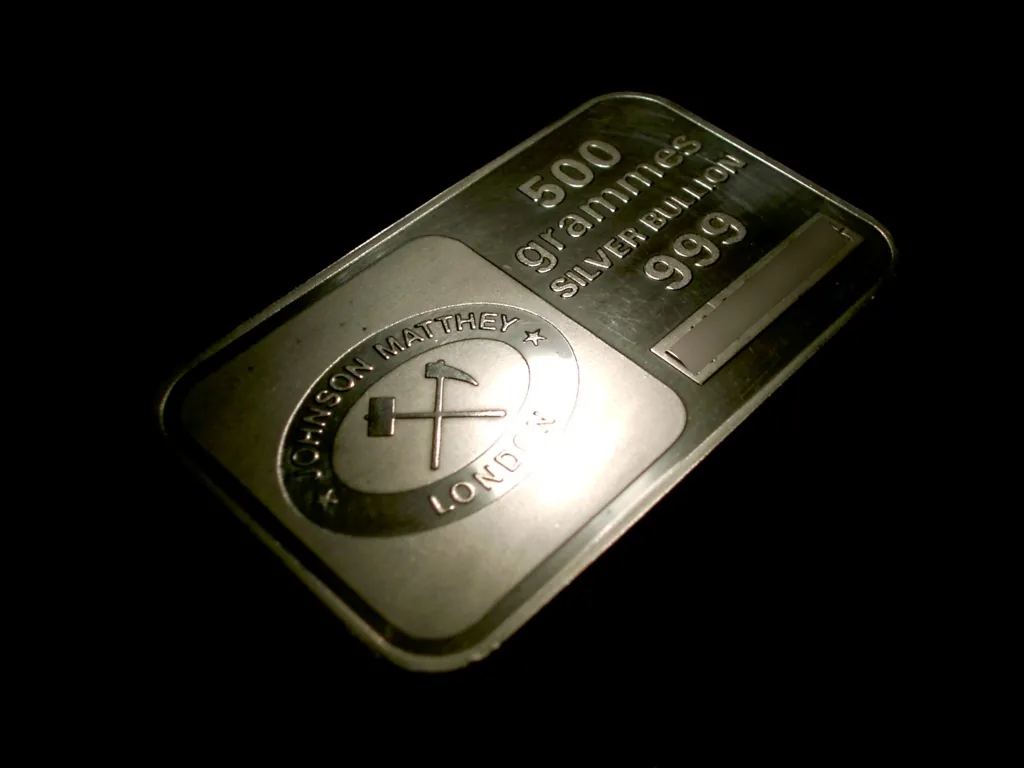
Silver bars come in many sizes, from 1 oz up to 100 oz and beyond. Larger bars usually have a lower cost per ounce. The tradeoff is that a big bar is harder to sell in pieces.
For a closer comparison, see my post on Silver Eagles vs. generic rounds and bars.
What “Premium” Means
The spot price is the market price of silver right now, per troy ounce. Physical silver always sells for more than spot, because it has to be mined, refined, minted, shipped, and sold. That extra cost is called the premium.
In general:
- Smaller pieces have higher premiums per ounce than larger ones.
- Government coins have higher premiums than rounds and bars.
- Collectible coins have premiums based on rarity, not just silver.
Silver prices change every day, so it’s always worth asking for a current price.
Tips for First-Time Buyers
- Start small. Buy a few pieces, learn how buying and selling works, and go from there.
- Know what you’re paying per ounce. Compare prices on an ounce-for-ounce basis.
- Think about how you’ll sell it someday. Well-known coins and bars are easiest to sell.
- Buy from people you can find again. Fake silver is common online. See my counterfeit warning signs.
- Plan for storage. Keep it somewhere safe and dry, and consider insurance.
- Don’t buy “collectible” silver from TV ads without comparing prices. Many are sold for far more than their silver value.
More guides: what the spot price means, Silver Eagle key dates, fake gold on Facebook.
The Bottom Line
Junk silver, government coins, rounds, and bars each have their place. Government coins are easiest to resell, rounds and bars usually cost less per ounce, and junk silver comes in small, flexible sizes. Start small, compare price per ounce, and buy from someone you trust.
Looking to buy or sell silver locally? I buy and sell silver across the Kansas City area, and you can see what I have listed right now in my eBay store. Silver prices change daily, so call or text (913) 815-0952 for today’s price, or contact me by email.