What Is the Spot Price of Silver and Gold? A Plain-English Guide
What does 'spot price' mean, why do coins sell for more than spot, and why do prices change every day? A plain-English guide for buyers and sellers.
Anyone who buys or sells silver or gold hears the term spot price. It’s the starting point for almost every price you’ll see, but it isn’t the price you’ll actually pay or receive for a coin or bar. Here’s what it means and how it works.
What Spot Price Means
The spot price is the current market price for one troy ounce of a precious metal, for immediate delivery in large quantities. It’s set by trading on major world markets and changes constantly while the markets are open, usually from Sunday evening to Friday afternoon (U.S. time).
A troy ounce is the standard unit for precious metals. It’s about 31.1 grams, a little heavier than the regular ounce (about 28.3 grams) you’d use in the kitchen.
Bid and Ask
You’ll often see two numbers:
- Bid: the price buyers in the big markets are willing to pay
- Ask: the price sellers are asking
The difference between them is small for large trades in the big markets.
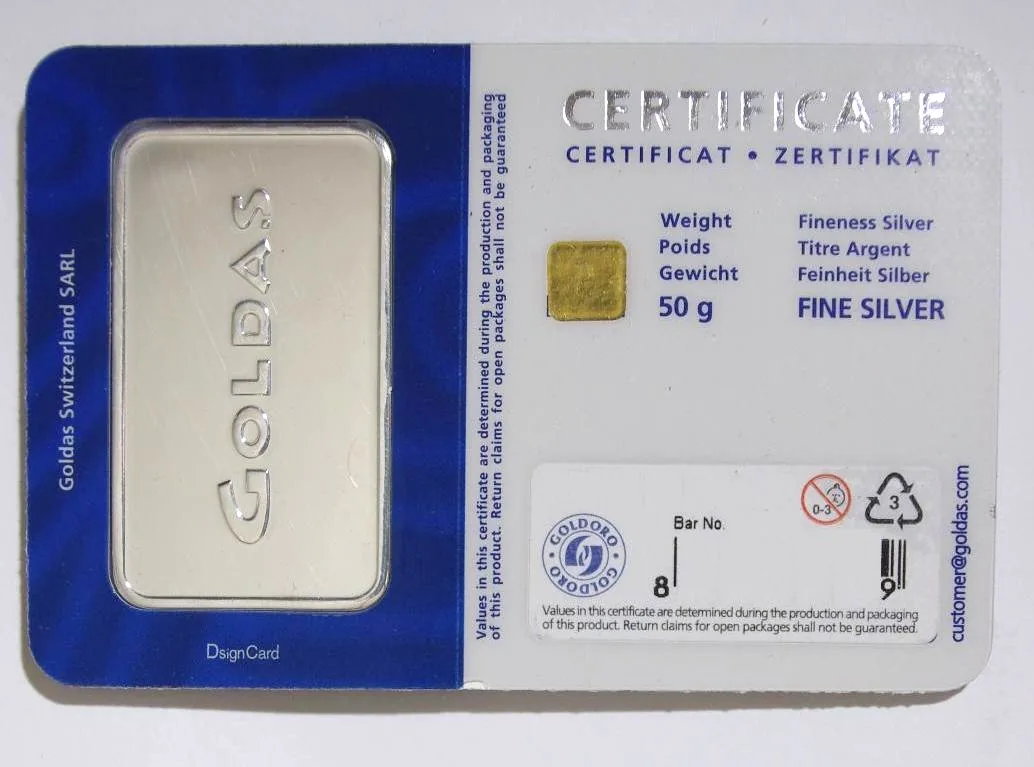
Why Coins and Bars Cost More Than Spot
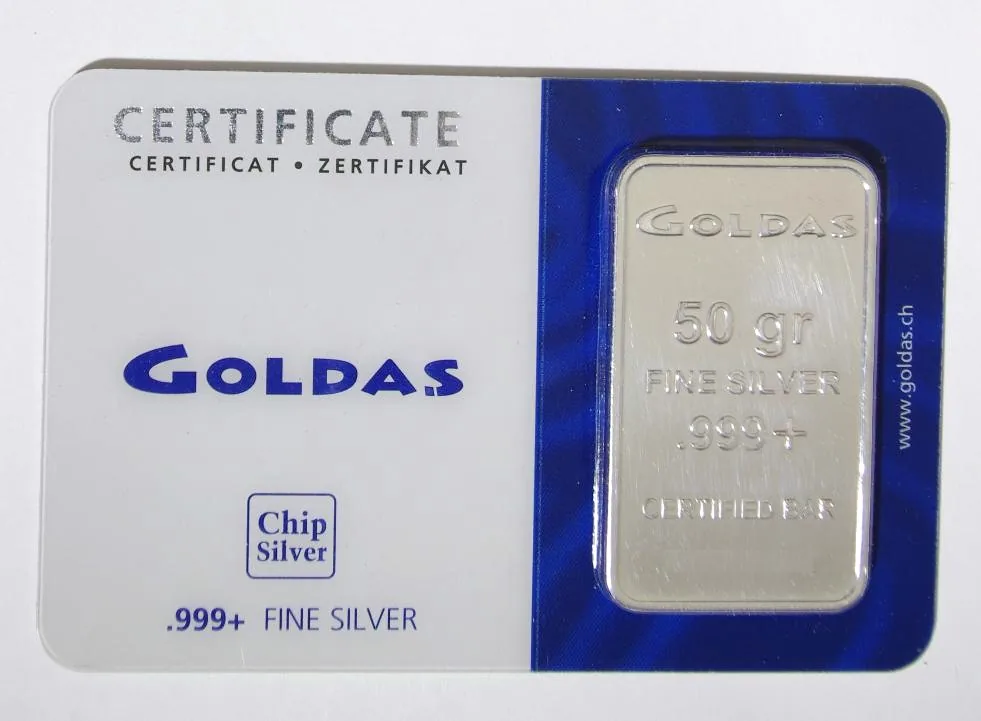
Spot price is for raw metal in huge amounts. A 1 oz coin or bar has to be refined, minted or poured, shipped, insured, and sold one at a time. Those costs show up as a premium over spot. In general:
- Smaller pieces cost more per ounce than larger ones.
- Government coins like Silver Eagles cost more than generic rounds or bars.
- Collectible coins are priced on rarity and condition, not just metal.
- Premiums rise when demand is high and supply is tight.
Why Dealers Buy Below Their Selling Price
Every dealer, online or local, buys for less than they sell for. That difference covers the cost of running a business, the risk that prices drop before the metal is resold, and the work of checking that items are genuine. Different products have different spreads. Popular coins and bars that are easy to resell usually have the smallest.
Why Prices Change Every Day
Silver and gold prices react to the economy, interest rates, currency values, industrial demand (especially for silver), and world events. That’s why a fair dealer will quote you today’s price rather than a price from last week. It’s also why I don’t list fixed metal prices on this website.
Tips for Buyers and Sellers
- Check the spot price before you call, so you have a reference point.
- Compare prices per ounce, not per piece.
- Ask how the price was figured. A good dealer will explain it.
- Remember the price can move between the time you get a quote and the time you buy or sell.
More guides: buying silver for the first time, selling gold coins, gold karat stamps, junk silver.
The Bottom Line
The spot price is the market price for raw metal, and it changes all day. Coins and bars sell above spot because of the costs of turning raw metal into something you can hold, and dealers buy below their selling price to cover costs and risk. Knowing the spot price helps you understand any quote you get.
Want a current quote? I buy and sell silver and gold, and you can see what I have listed right now in my eBay store. Prices change daily, so call or text (913) 815-0952 for today’s price, or contact me by email.