Where Is the Mint Mark? A Beginner’s Guide to U.S. Mint Marks
What do P, D, S, O, CC, and W mean on U.S. coins, and where do you find them? A beginner's guide to mint marks and why they matter.
A tiny letter on a coin can make a big difference in what it’s worth. That letter is the mint mark, and it tells you where the coin was made. Two coins with the same date can be worth wildly different amounts depending on which mint struck them.
Here’s what each mint mark means and where to find it.
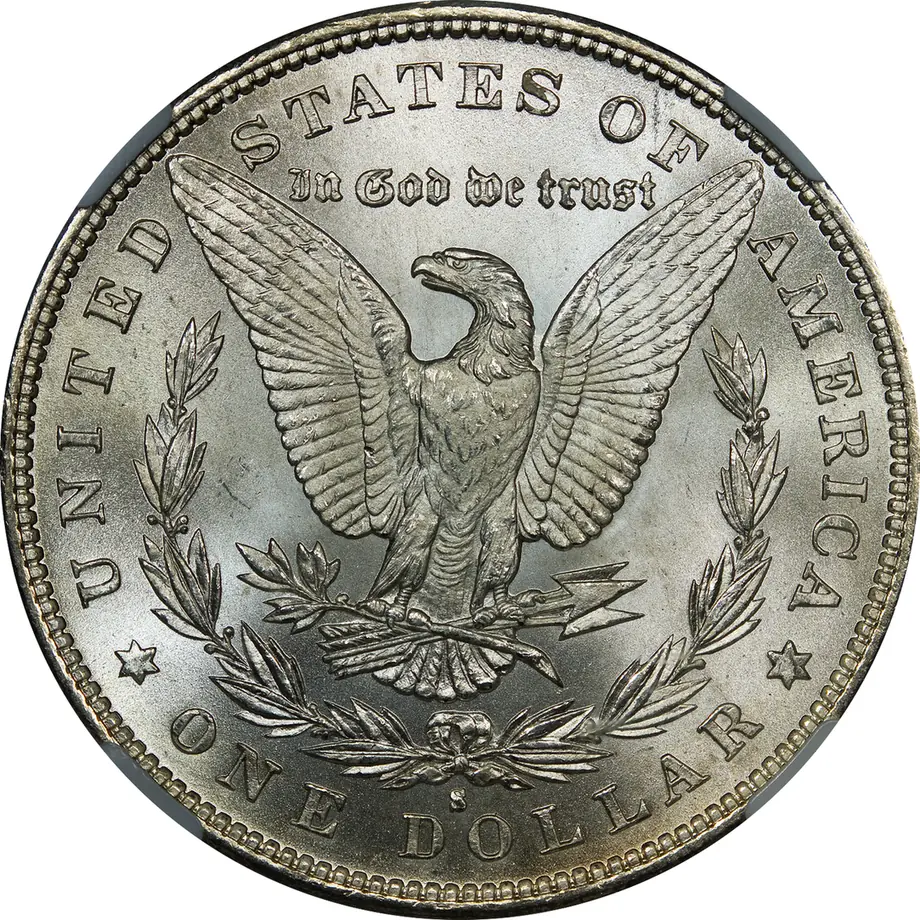
What the Letters Mean
| Mint mark | Mint | Years |
|---|---|---|
| (none) or P | Philadelphia | 1793 to today |
| D | Denver | 1906 to today |
| S | San Francisco | 1854 to today |
| W | West Point | 1984 to today |
| O | New Orleans | 1838 to 1861, 1879 to 1909 |
| CC | Carson City | 1870 to 1893 |
| C | Charlotte (gold only) | 1838 to 1861 |
| D | Dahlonega (gold only) | 1838 to 1861 |
Yes, there are two different D mints. The old Dahlonega, Georgia, mint only made gold coins before the Civil War, so if you have a D on a cent or a quarter, it’s Denver.
Why Philadelphia Coins Often Have No Mint Mark
For most of U.S. history, Philadelphia didn’t put a mint mark on its coins. That’s why many older coins have no letter at all. Philadelphia started using a P on the Susan B. Anthony dollar in 1979 and on most other coins in 1980 (see are dollar coins worth anything?). Cents are the big exception: Philadelphia cents still have no mint mark, except for 2017, when a P was added.
One more exception: the wartime silver nickels of 1942 to 1945 have a large P above the dome of Monticello on the back. Read more in my wartime silver nickels guide.
Coins with No Mint Mark at All: 1965 to 1967
When the U.S. switched from silver to clad coins, the Mint left mint marks off all coins from 1965 to 1967. It was part of an effort to discourage people from hoarding coins during the coin shortage of the time. Mint marks returned in 1968.
Where to Find the Mint Mark
The location depends on the coin:
- Lincoln cent: front, under the date (see wheat pennies and Lincoln Memorial pennies)
- Jefferson nickel: back, to the right of Monticello (1938 to 1964); front, near the date (1968 on)
- Roosevelt dime: back, left of the torch (1946 to 1964); front, above the date (1968 on)
- Mercury dime: back, near the bottom, left of the bundle of sticks (fasces)
- Washington quarter: back, below the eagle (1932 to 1964); front, to the right of Washington’s ponytail or neck (1968 on)
- Walking Liberty half dollar: front, under IN GOD WE TRUST (1916 and some 1917 coins); back, lower left (1917 to 1947)
- Kennedy half dollar: back, left of the eagle’s claw (1964); front, above the date (1968 on)
- Morgan dollar: back, below the wreath (see Morgan vs. Peace dollars)
- Peace dollar: back, lower left, below the word ONE
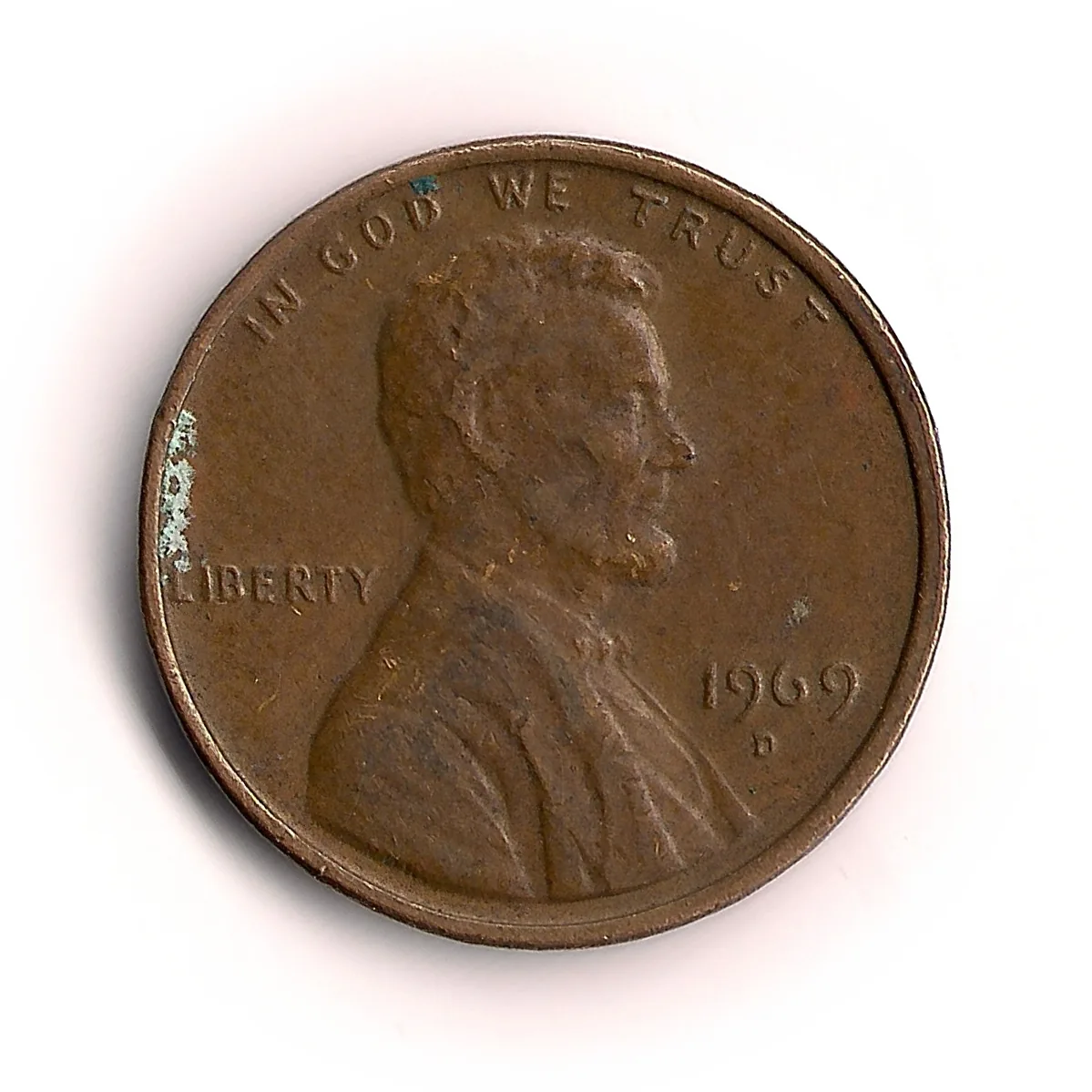
Why the Mint Mark Matters
Each mint made different numbers of coins each year. When one mint made far fewer coins of a certain date, that date and mint mark becomes scarce. Some famous examples:
- 1909-S VDB Lincoln cent: San Francisco made only 484,000.
- 1916-D Mercury dime: Denver made far fewer than Philadelphia.
- Carson City “CC” Morgan dollars: Collectors love them for their Old West history. See my Carson City Morgan guide.
When you look up a coin’s value, always check the date and the mint mark.
A Word of Caution
Because mint marks can make such a difference, counterfeiters sometimes add a mint mark to a common coin, or remove one. If a coin is a famous key date, it’s worth getting it checked in person. (More in counterfeit silver and gold warning signs.)
The Bottom Line
The mint mark tells you where your coin was made, and it’s one of the first things to check when figuring out value. Grab a magnifier, check under the date or on the back, and look it up by date and mint together.
Have a coin with an interesting mint mark? JoCo Coin Shop offers honest, no-obligation appraisals across the Kansas City area. Contact me by phone, text, or email to get started.