Star Notes: What the Star in Your Bill’s Serial Number Means
Found a dollar bill with a star in the serial number? It's a star note, a replacement bill. Here's what that means and when one is worth more.
Take a look at the serial numbers on the bills in your wallet. Every so often, you’ll find one with a small star printed right next to the serial number. That’s called a star note, and collectors love them.
Some star notes are worth more than face value, and most aren’t. Here’s what the star means and how to tell the difference.
What Is a Star Note?
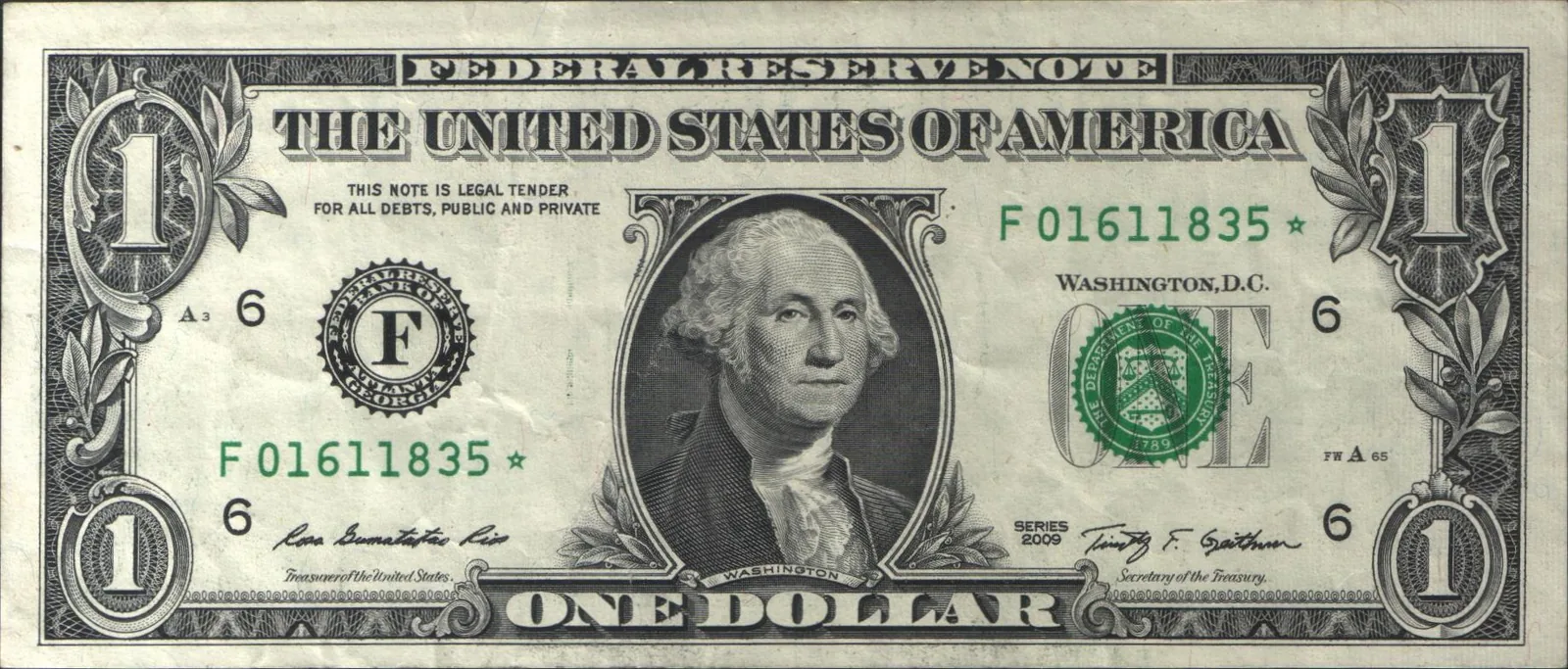
A star note is a replacement note. When the Bureau of Engraving and Printing finds a misprinted or damaged sheet during production, it pulls the bad notes and replaces them with notes from a special run marked with a star. That keeps the count of notes in each serial number run correct without reprinting the exact same serial numbers.
So a star doesn’t mean anything went wrong with your bill. It means your bill took the place of one that did.
Where to Find the Star
- Modern Federal Reserve Notes (green seal): the star is at the end of the serial number.
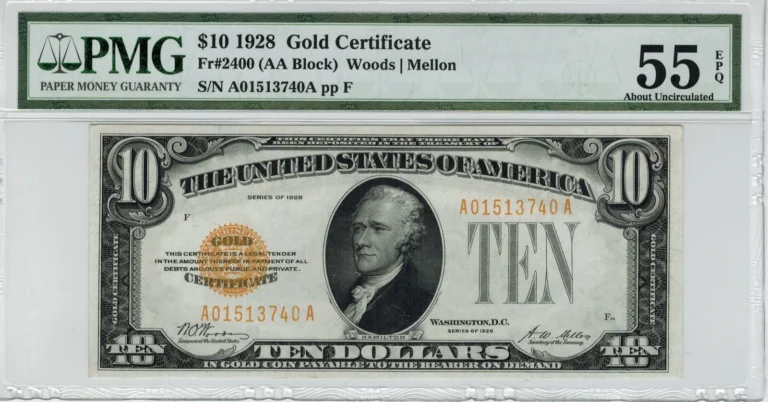
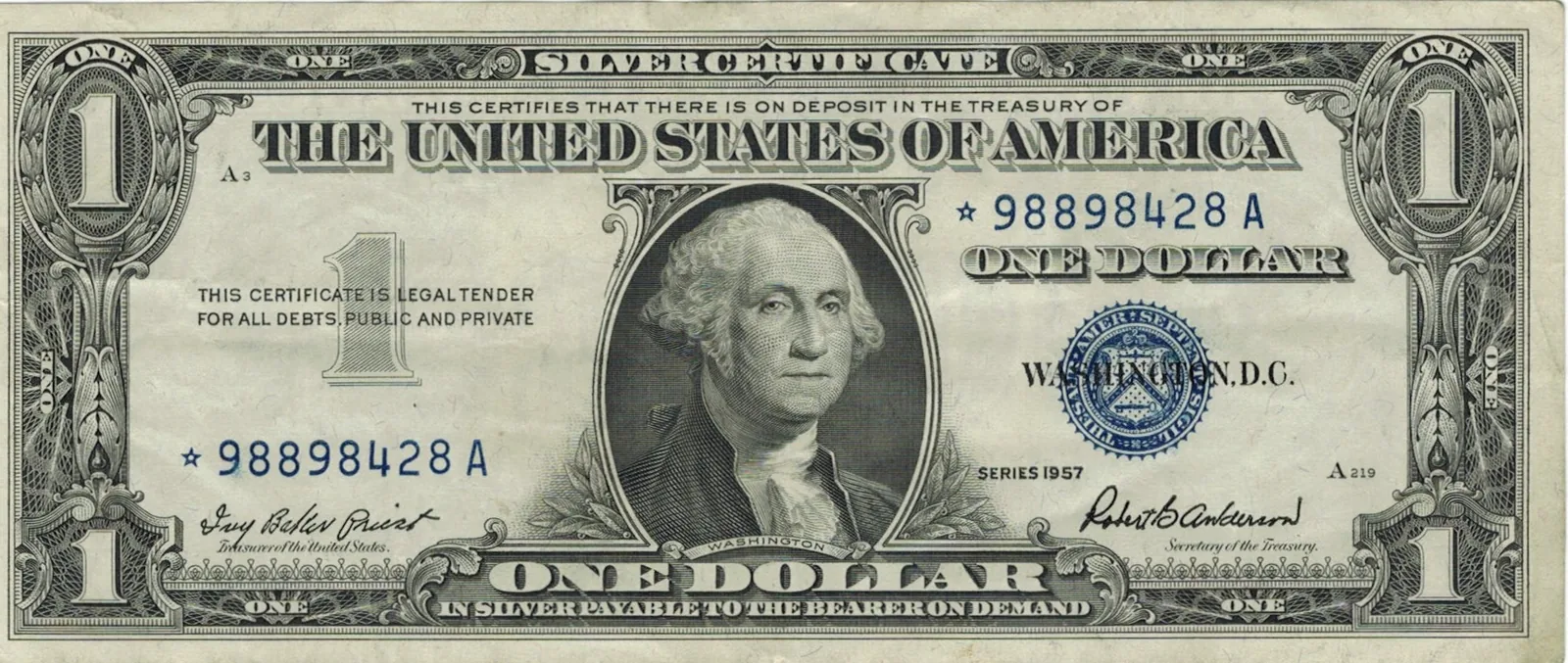
- Older notes, like silver certificates, gold certificates, and red seal United States Notes: the star is at the beginning of the serial number.
Are Star Notes Worth More?
Sometimes. A star note is scarcer than a regular note from the same series, but plenty of modern star notes were printed in large numbers. What matters most is how many were printed in that run.
Today’s star notes are printed in runs of up to 3.2 million notes. Smaller runs, like 320,000 or 640,000 notes, are much scarcer. Collectors generally consider modern star notes from runs of 640,000 or fewer to be the ones worth more than face value.
You can look up your note’s run online. Search for “star note lookup,” then enter the series year, the denomination, and the serial number. The lookup shows how many notes were in that run. (The letters in the serial number also tell you which Federal Reserve Bank issued the note. See the J on your dollar bill.)
Other Things That Add Value
- Condition. Crisp, uncirculated star notes are worth far more than folded, worn ones. See my paper money grading guide.
- Age. Older star notes, like silver certificates and red seal notes, are generally scarcer than modern ones, especially in nice condition.
- Fancy serial numbers. A star note with a low serial number (like 00000123), a repeating pattern, or a “solid” number is a double bonus to collectors.
- Denomination and series. Some series and Federal Reserve Banks had very few star notes printed.
What Isn’t Special
- A common, worn modern star note from a large run is usually worth face value, or close to it.
- A star note that has been heavily folded, torn, or written on loses most of any premium it had.
Don’t “Improve” Your Note
If you find a nice star note, don’t flatten it, iron it, or try to clean it. Collectors can tell, and it lowers the value. Keep it flat in a paper money sleeve.
More on paper money: are $2 bills worth anything?, red seal bills, and National Bank Notes from Kansas and Missouri.
More guides: damaged and mutilated money.
The Bottom Line
A star in the serial number means your bill is a replacement note. Most modern star notes are worth face value, but notes from small runs, older star notes, and crisp uncirculated ones can be worth more. Look up the run size first, and keep the note flat and uncleaned.
Have old bills or star notes? JoCo Coin Shop offers honest, no-obligation appraisals across the Kansas City area. Contact me by phone, text, or email to get started.