Red Seal Bills: Are Old United States Notes Worth Anything?
Have a $2, $5, or $100 bill with a red seal? It's a United States Note. Here's what red seal bills are, which series to look for, and what adds value.
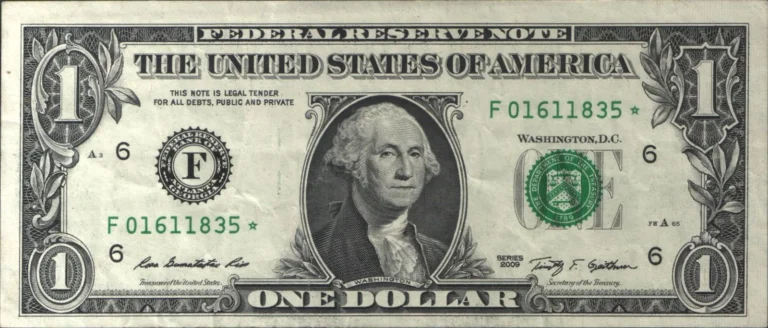
Most U.S. paper money has a green seal. So when someone finds an old $2 or $5 bill with a red seal and red serial numbers, the first question is usually “Is this worth something?”
These red seal bills are United States Notes, a type of paper money that hasn’t been printed in more than 50 years. Most are worth a modest premium over face value, and a few are worth a good deal more. Here’s how to tell.
What Is a United States Note?
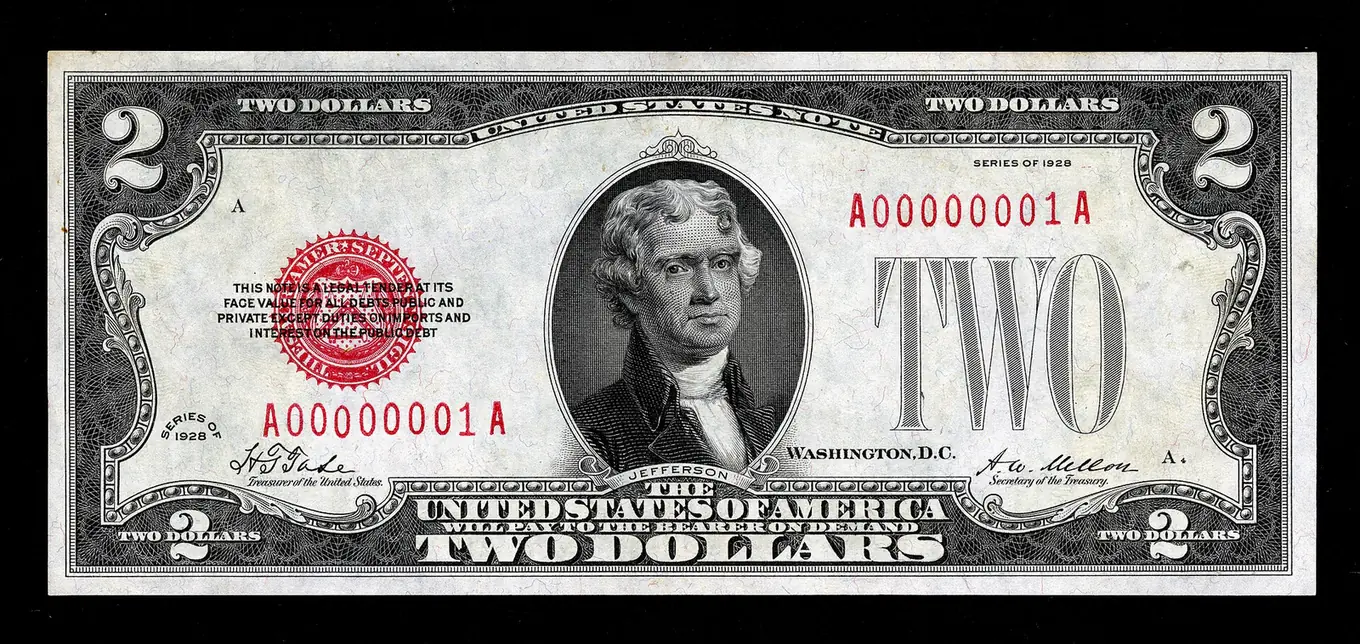
United States Notes (also called Legal Tender Notes) were first issued in 1862, during the Civil War, and were issued until 1971. Unlike silver certificates or gold certificates, they weren’t backed by a specific metal. They were simply government-issued money.
When the Treasury switched to today’s smaller-size bills (starting with Series 1928, released in 1929), United States Notes were printed with a red Treasury seal and red serial numbers. That’s the easy way to spot one. Federal Reserve Notes have green seals, and silver certificates have blue seals.
Which Red Seal Bills Were Made
Small-size red seal notes came in only four denominations:
- $1: A limited issue, Series 1928 only.
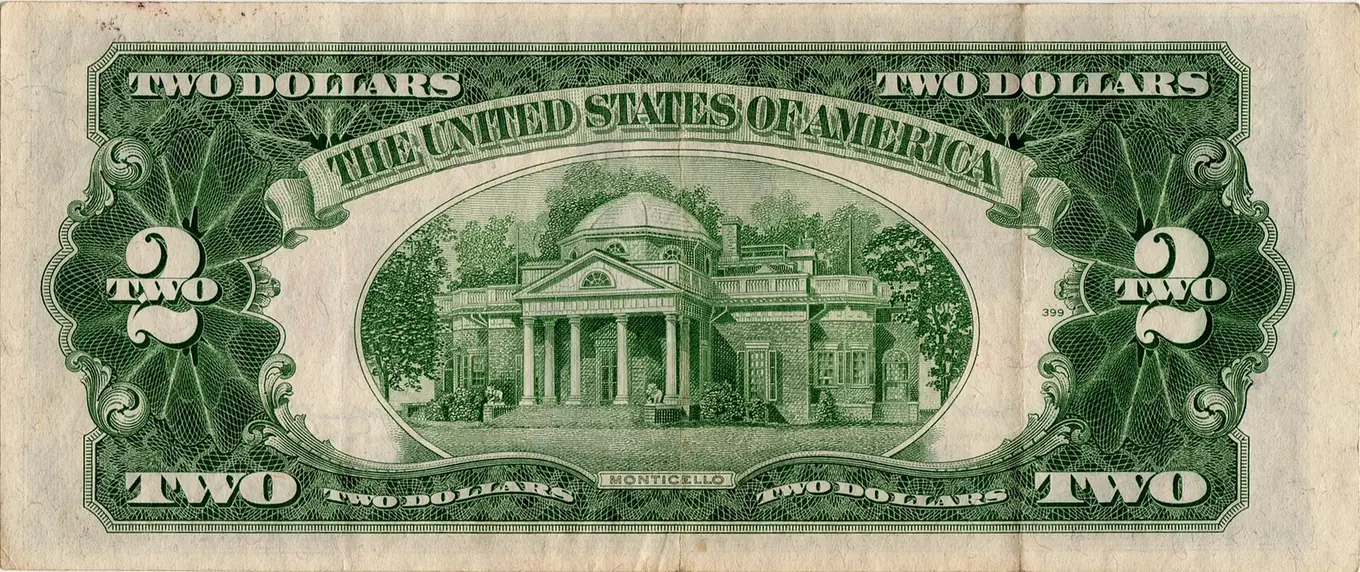
- $2: Mainly Series 1928, 1953, and 1963.
- $5: Mainly Series 1928, 1953, and 1963.
- $100: Series 1966 and 1966A only.
The $2 and $5 red seals stopped going out to the public in August 1966. The $100 notes were printed from 1966 to 1969, and distribution of United States Notes officially ended in January 1971.
Are Red Seal Bills Worth Anything?
Here’s the general picture:
- 1953 and 1963 $2 and $5 red seals are the most common. Worn ones are usually worth a little over face value. Crisp, uncirculated ones are worth more.
- Series 1928 red seals are older and generally worth more than the 1953 and 1963 notes, especially in nice condition.
- The Series 1928 $1 red seal was a limited issue and is worth a closer look in any condition.
- $100 red seals from 1966 are collectible, especially in nice condition.
Condition matters more than anything. A crisp note with no folds is worth much more than the same note folded, stained, or worn. See my paper money grading guide to get a feel for grades.
Look for a Star
Check the serial number for a star at the beginning. Star notes were printed as replacements for damaged notes, and red seal star notes are scarcer than regular ones. See what a star note is.
Are They Still Legal Tender?
Yes. United States Notes are still legal tender and can be spent at face value. But since most are worth at least a little more to collectors, spending one usually means giving away money.
What to Do With Red Seal Bills
- Don’t fold, flatten, or iron them. Keep them flat as they are.
- Don’t tape tears or try to clean stains.
- Keep them together with any other old bills, like silver certificates or $2 bills, and get them looked at as a group.
More on old paper money: gold certificates, National Bank Notes from Kansas and Missouri, and fractional currency.
The Bottom Line
A red seal bill is a United States Note, a type of money last released in 1971. Common 1953 and 1963 $2 and $5 notes are worth a modest premium, while Series 1928 notes, the 1928 $1, star notes, and crisp uncirculated bills are worth more. Leave them as they are and have them looked at before spending them.
Have old red seal or blue seal bills? JoCo Coin Shop offers honest, no-obligation appraisals across the Kansas City area. Contact me by phone, text, or email to get started.