
Large Cents and Half Cents: America’s First Copper Coins
Large cents and half cents (1793 to 1857) were America's first copper coins. Learn the designs, why there's no 1815 cent, and what affects their value.
Honest answers from a Kansas City coin dealer: what's real, what's damage, what it's worth, and how to take care of it.
Large cents and half cents (1793 to 1857) were America's first copper coins. Learn the designs, why there's no 1815 cent, and what affects their value.
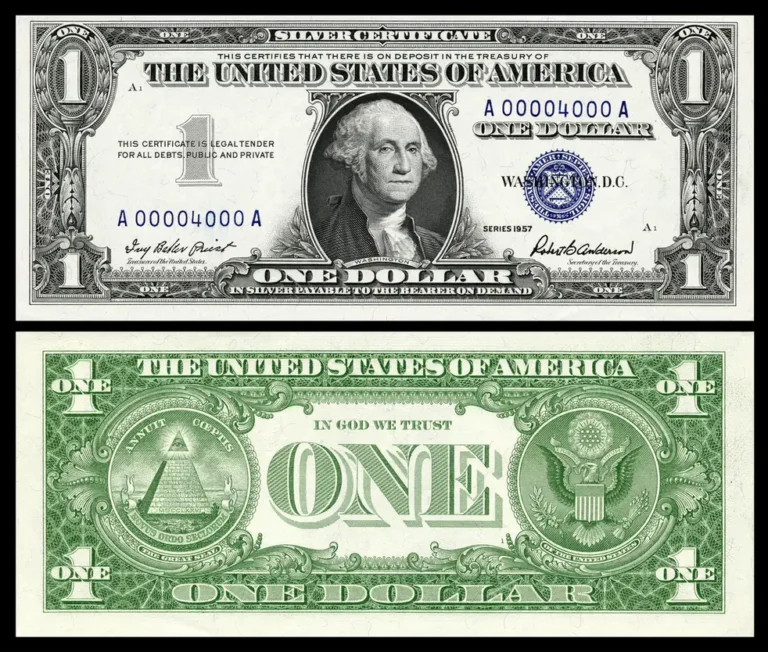
Have an old blue seal dollar bill? Learn what silver certificates are, which ones are worth more than face value, and what to look for.
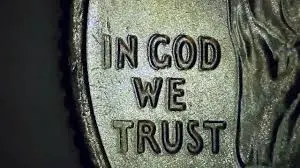
Think you found an "In Cod We Trust" quarter? It isn't a mint error. Here's why worn and damaged quarters fool so many people.
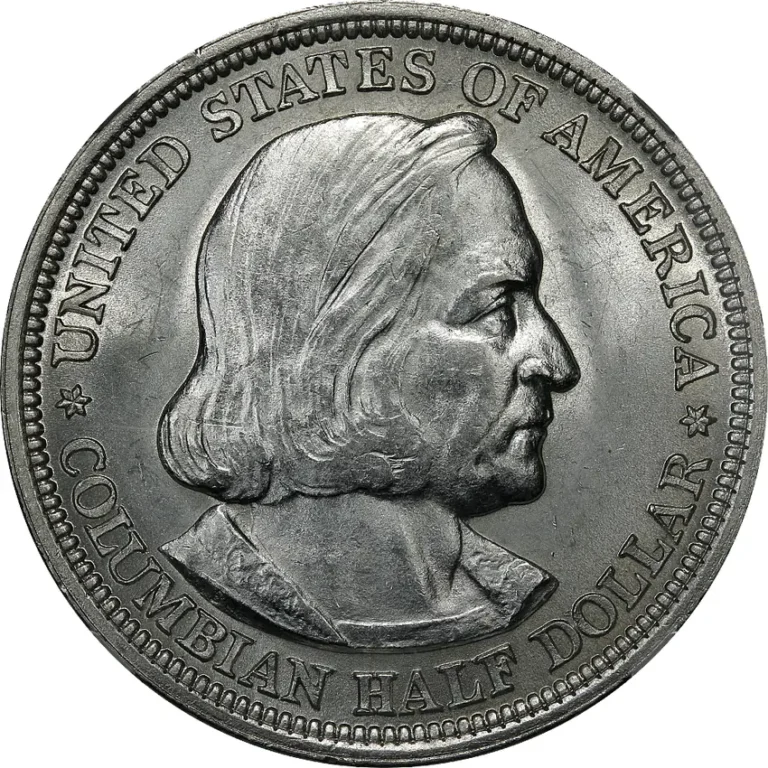
Classic U.S. commemorative half dollars (1892 to 1954) are 90% silver and widely collected. Learn their history and what affects their value.
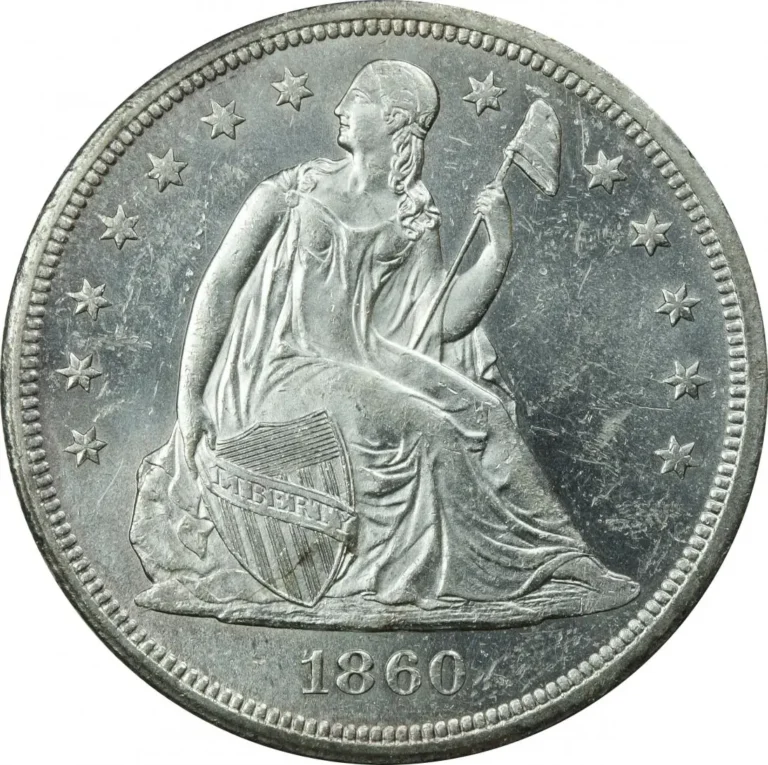
Seated Liberty dimes, quarters, halves, and dollars were used for most of the 1800s. Learn the design changes, arrows and motto varieties, and what affects value.

During the Civil War, the U.S. printed paper money worth 3 to 50 cents. Learn the story of fractional currency and what these tiny notes are worth.
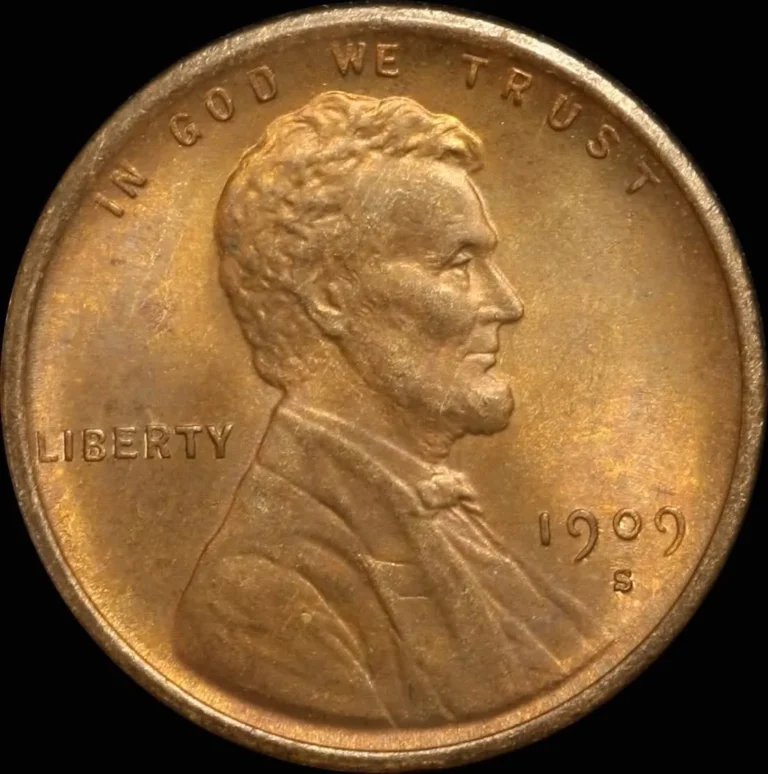
Most wheat pennies are worth a little over face value, but a few dates are worth a lot. Here's how to check your wheat cents for the key dates.
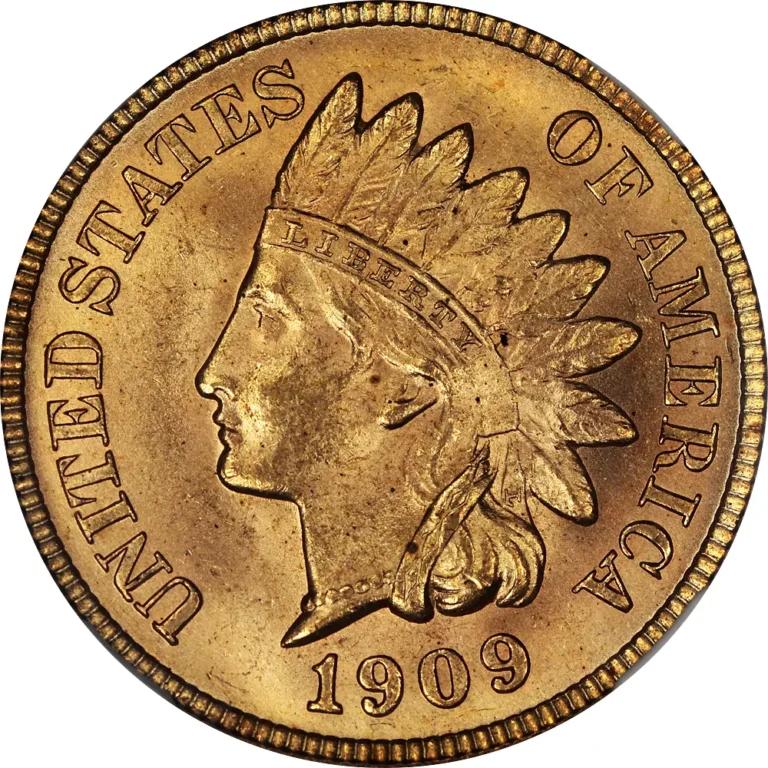
New to coin collecting? Here's how to pick a focus, what supplies you need, where to find coins, and the mistakes beginners should avoid.
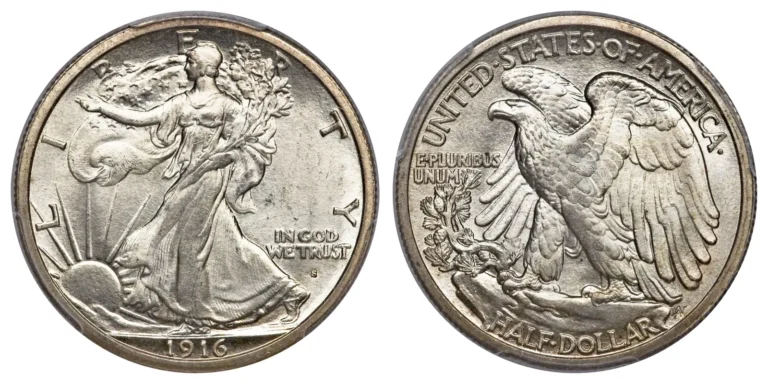
Obverse, reverse, key date, luster, slab, melt value: a plain-English glossary of the coin collecting terms beginners hear most.
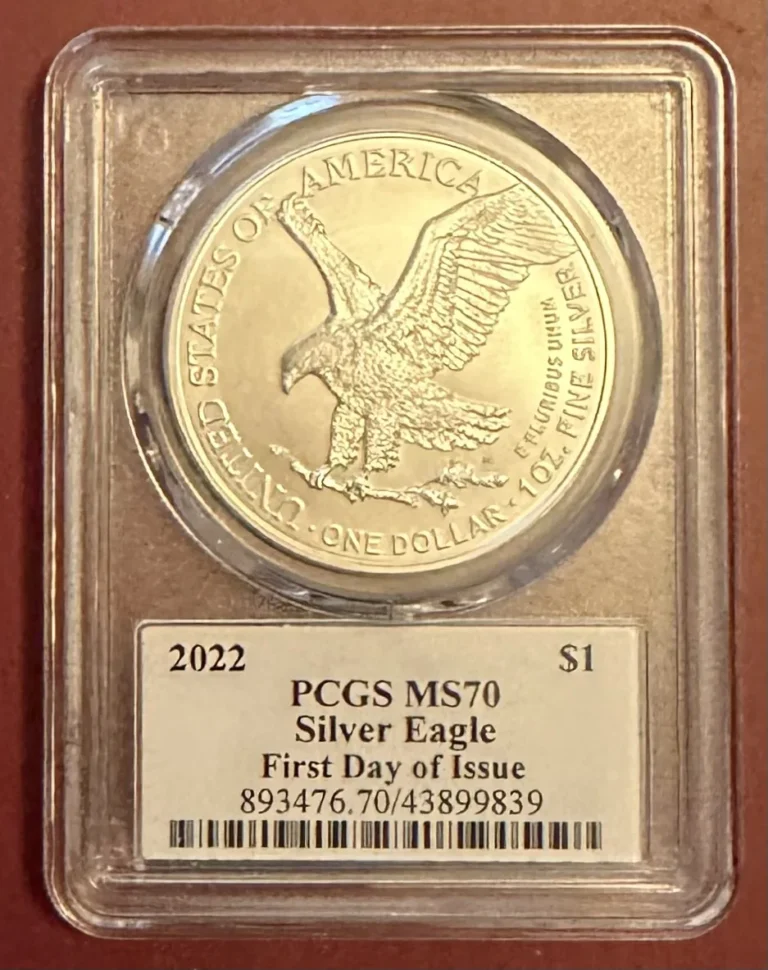
Professional coin grading costs money and takes time. Here's when grading by PCGS or NGC makes sense, and when it doesn't.
Join the JoCo Coin Shop email list for the latest deals and fresh finds as they come in. Unsubscribe anytime.