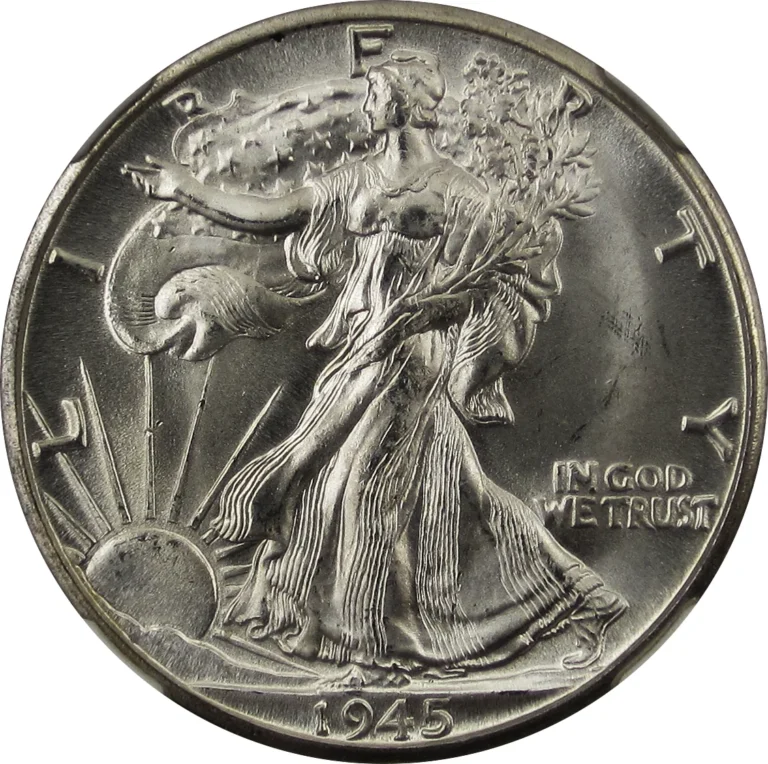
Walking Liberty Half Dollars: Key Dates and What They’re Worth
Walking Liberty half dollars (1916 to 1947) are 90% silver. Learn where to find the mint mark, the key dates, and what affects their value.
Honest answers from a Kansas City coin dealer: what's real, what's damage, what it's worth, and how to take care of it.
Walking Liberty half dollars (1916 to 1947) are 90% silver. Learn where to find the mint mark, the key dates, and what affects their value.
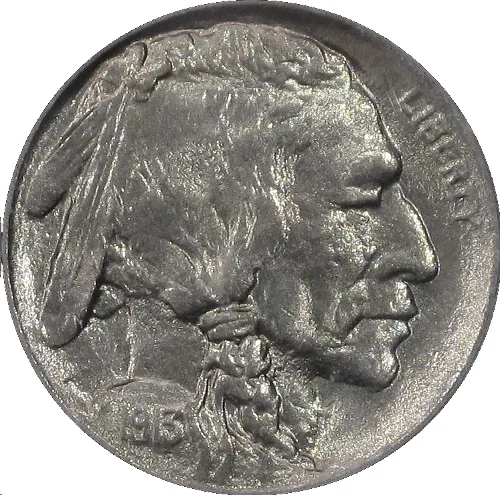
Buffalo nickels were made from 1913 to 1938. Here's how to read worn dates, which key dates to look for, and why acid-restored dates hurt value.
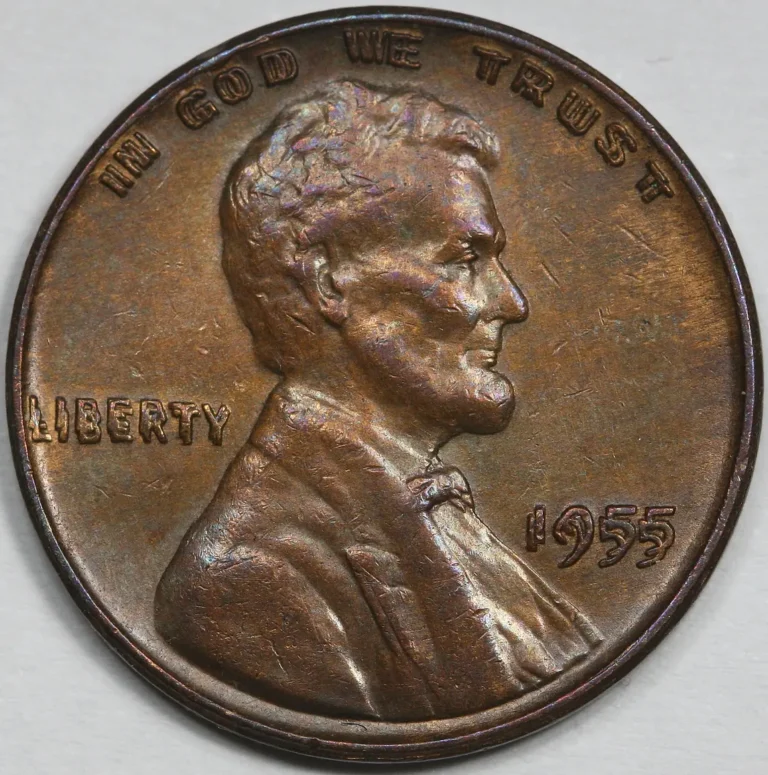
The 1955 doubled die penny is one of the most famous U.S. error coins. Here's how to recognize a real one and avoid fakes and look-alikes.
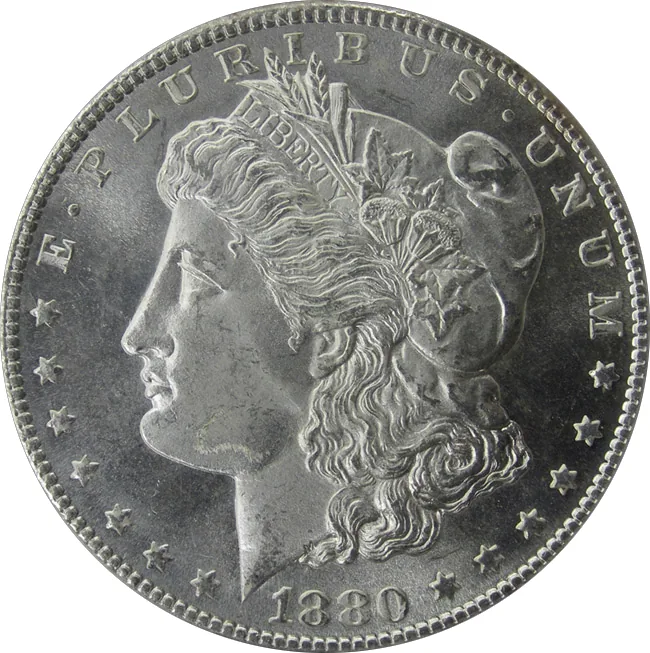
Morgan and Peace dollars are America's classic silver dollars. Learn how to tell them apart, which dates are scarce, and what drives their value.
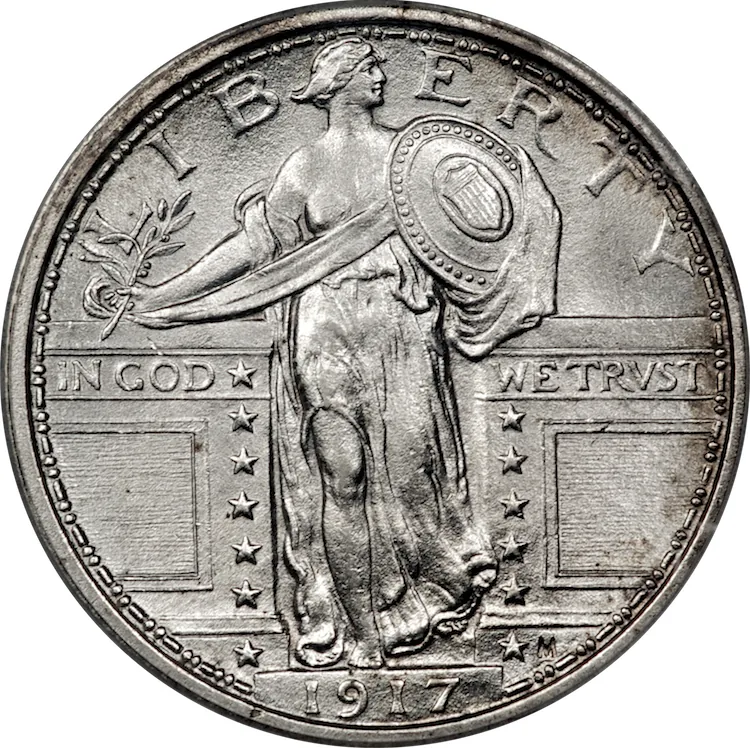
Standing Liberty quarters (1916 to 1930) are 90% silver. Learn about Type 1 and Type 2, why many have no date, and which dates are scarce.
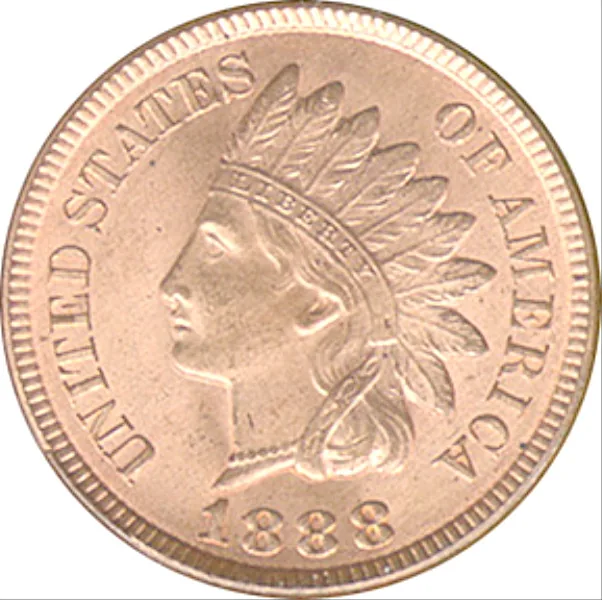
Indian Head pennies were made from 1859 to 1909. Learn the key dates, the 1864 L variety, and what makes some old cents worth more than others.

Most $2 bills are worth face value, but red seal notes, star notes, and older large-size $2 bills can be worth more. Here's how to check yours.
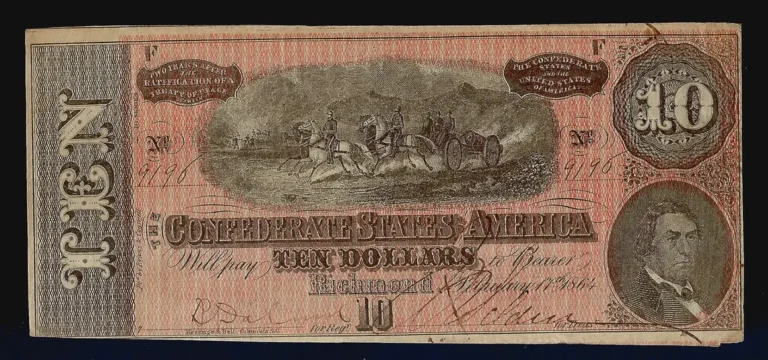
Most Confederate money found today is a souvenir reproduction. Here's how to spot copies, what genuine notes look like, and what real ones are worth.
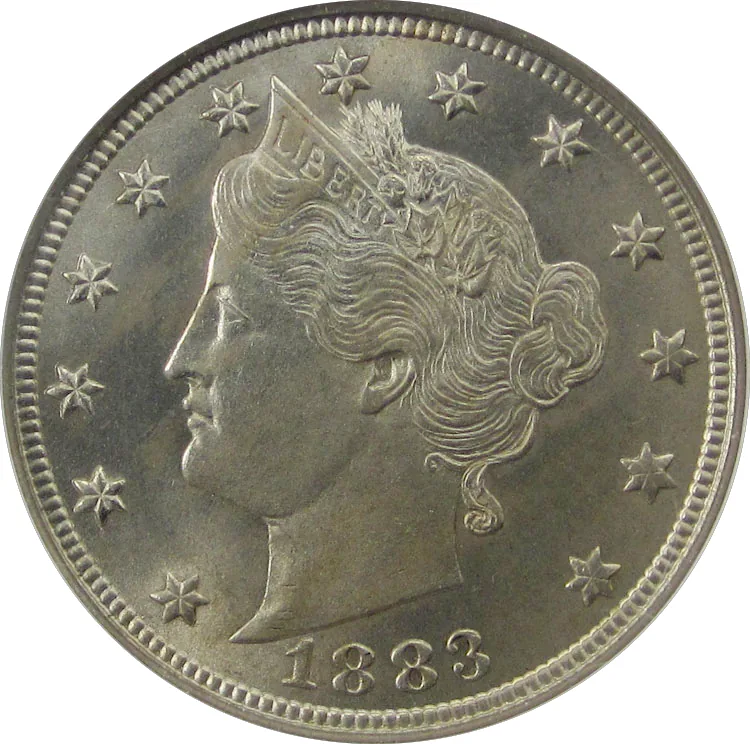
Liberty Head 'V' nickels were made from 1883 to 1912. Learn the story of the 1883 No CENTS nickel, the key dates, and the legendary 1913.
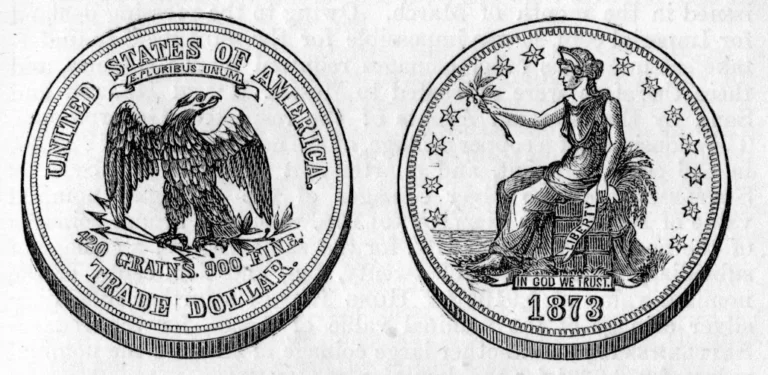
The U.S. Trade dollar (1873 to 1885) was made for trade with China. Learn its history, what chopmarks are, and why most Trade dollars you see online are fake.
Join the JoCo Coin Shop email list for the latest deals and fresh finds as they come in. Unsubscribe anytime.