1943 Steel Penny Value: What Your Silver-Colored Wheat Cent Is Worth
Found a silver-colored 1943 penny? It's a wartime steel cent. Here's why they were made, how to check yours, and what makes one worth more.
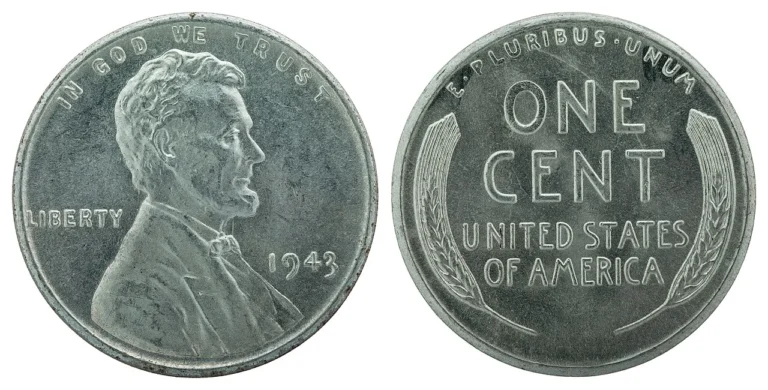
Every so often someone finds a gray, silver-colored wheat penny dated 1943 and wonders if it’s a rare error. It isn’t an error. It’s a 1943 steel cent, the only regular-issue U.S. coin ever made of steel, and it has a great World War II story.
Most of them aren’t worth a lot, but a few things can make one worth more. Here’s how to tell what you have.

Why Pennies Were Made of Steel in 1943
During World War II, copper was needed for ammunition and other military equipment. To save it, the U.S. Mint made the 1943 cent out of steel with a thin zinc coating to keep it from rusting.
All three mints struck them, and they made a lot:
- Philadelphia (no mint mark): 684,628,670
- Denver (D): 217,660,000
- San Francisco (S): 191,550,000
That’s over 1 billion steel cents in a single year. The mint mark, if there is one, is on the front, below the date.
Why the Public Didn’t Like Them
The steel cent had problems from the start:
- They looked like dimes. A shiny new steel cent is about the color of a dime, and people mixed them up.
- They rusted. Punching the blanks out of coated steel left the edges bare, and once the thin zinc wore through, the coins turned dark gray and rusty.
- Vending machines rejected them. Magnets meant to catch steel slugs also caught real steel cents.
For 1944 to 1946, the Mint switched to cents made partly from recycled brass shell casings, and the steel cent became a one-year type.
How to Check Your 1943 Cent
Two quick tests:
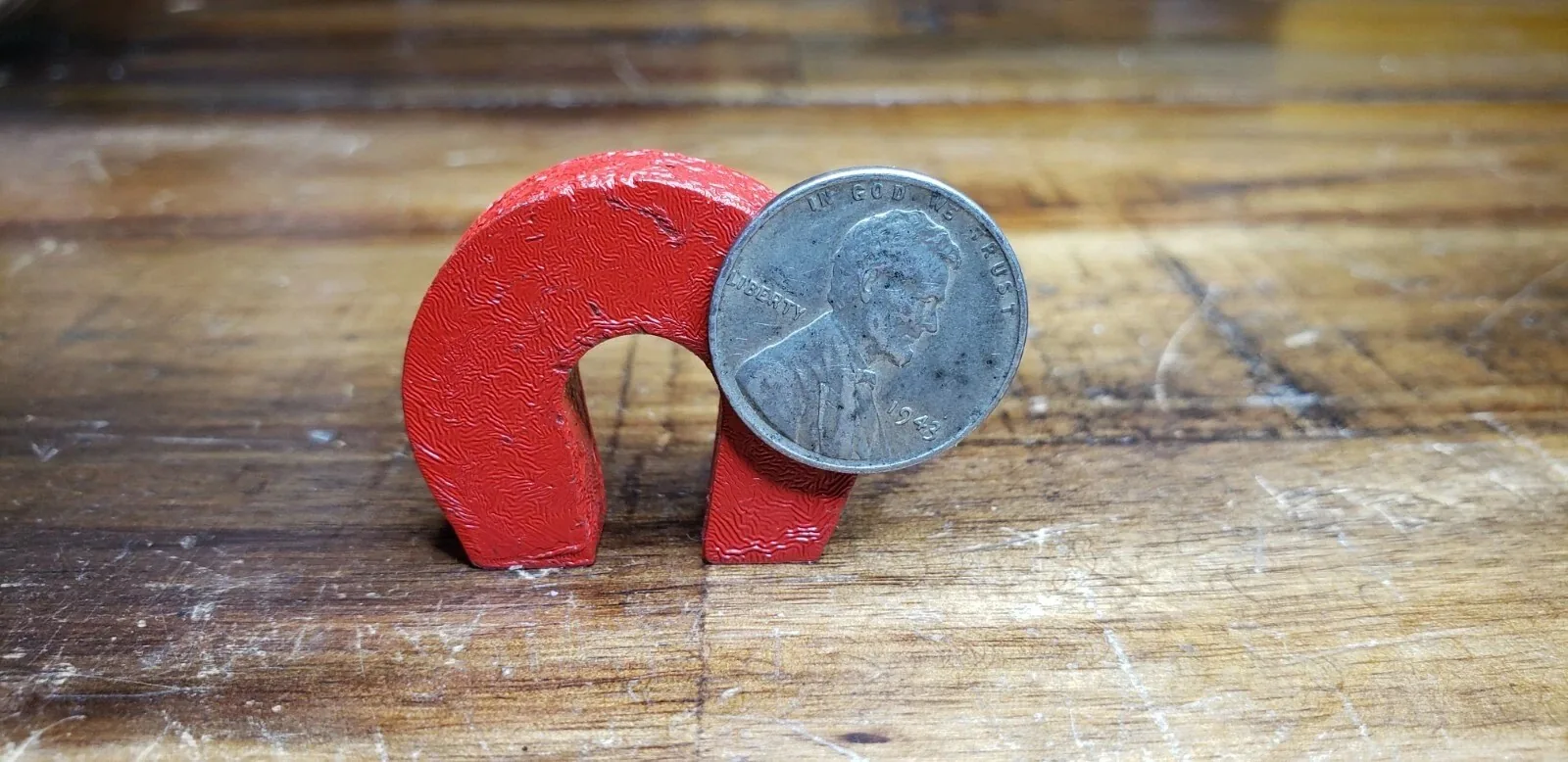
- The magnet test. A real 1943 steel cent sticks to a magnet. That’s normal.
- The weight. A steel cent weighs about 2.70 grams, lighter than the 3.11-gram copper cents made before and after it.
If your 1943 cent is copper-colored, check it with a magnet before getting excited. Many copper-colored 1943 cents are steel cents that someone plated. See my guide to spotting a fake 1943 copper penny.
What Makes a Steel Cent Worth More
Because so many were made and saved, worn steel cents are very common. Value comes down to a few things:
- Condition. Bright, original, uncirculated steel cents with no rust or spots are worth more than worn, dark ones. Top-grade examples are genuinely hard to find, because the coating spots and stains easily.
- Mint mark. The 1943-S had the lowest mintage of the three, though all three are common in worn condition.
- Original surfaces. A steel cent that’s still its original color, with no rust, is the kind collectors want.
Watch Out for “Reprocessed” Steel Cents
You’ll often see 1943 steel cents that look almost too shiny: bright silver, like chrome. Many of these are reprocessed coins. Dealers selling novelties stripped old, corroded steel cents and re-coated them with zinc or chrome. They’re sometimes sold as “brilliant uncirculated,” but collectors consider them altered, and they have little collector value.
Signs of a reprocessed coin include a very bright, mirror-like or bluish shine, a slightly mushy look to the details, and plating on the edge (a real steel cent’s edge was left uncoated).
The Rare Ones: 1943 Copper and 1944 Steel
The famous errors from this period run the other way:
- 1943 copper (bronze) cents: A few leftover copper blanks were struck with 1943 dies. Only about two dozen are known, and fakes far outnumber them.
- 1944 steel cents: A few leftover steel blanks were struck with 1944 dies. One San Francisco example sold for $373,750 at auction in 2008.
These are wrong planchet errors, and a real one should be checked in person. A 1944 cent that sticks to a magnet is worth a careful look.
More wartime coins and wheat cents: wartime silver nickels, are wheat pennies worth anything?, and the 1955 doubled die penny.
The Bottom Line
A silver-colored 1943 penny is a World War II steel cent. It’s a great piece of history, and over a billion were made, so most worn ones are common. Bright, original, rust-free coins are worth more, and a 1944 cent that sticks to a magnet is worth having checked. Please don’t clean or polish a steel cent: it removes the original coating and makes rust worse.
Have a jar of wheat pennies? JoCo Coin Shop offers honest, no-obligation appraisals across the Kansas City area. Contact me by phone, text, or email to get started.